Norton Maria C, Clark Christine J, Tschanz JoAnn T, Hartin Phillip, Fauth Elizabeth B, Gast Julie A, Dorsch Travis E, Wengreen Heidi, Nugent Chris, Robinson W David, Lefevre Michael, McClean Sally, Cleland Ian, Schaefer Sydney Y, Aguilar Sheryl
Department of Family Consumer and Human Development, Utah State University, Logan, UT, USA.
Department of Psychology, Utah State University, Logan, UT, USA.
Alzheimers Dement (N Y). 2015 May 16;1(1):53-62. doi: 10.1016/j.trci.2015.05.001. eCollection 2015 Jun.
Most Alzheimer's disease (AD) prevention studies focus on older adults or persons with existing cognitive impairment. This study describes the design and progress of a novel pilot intervention, the Gray Matters study.
This proof-of-concept randomized controlled trial tests an evidence-based multidomain lifestyle intervention in 146 persons aged 40 to 64 years, in northern Utah. Data collectors were blinded to participants' randomization to treatment (n = 104) or control (n = 42). Intervention targeted physical activity, food choices, social engagement, cognitive simulation, sleep quality, and stress management, and uses a custom smartphone application, activity monitor, and educational materials. Secondary outcomes include biomarkers, body mass index, cognitive testing, and psychological surveys.
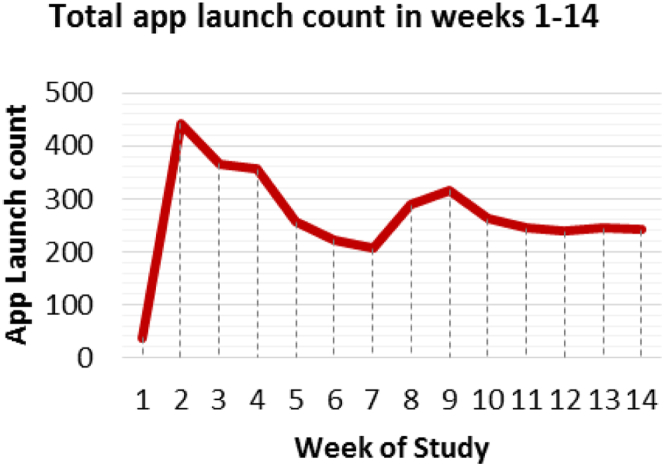
Midway through the study, achievements include a 98.7% retention rate, a 96% rate of compliance with app data entry, and positive trends in behavioral change.
Participants were empowered, learning that lifestyle might impact AD risk, exhibiting positive behavioral changes thus far.
大多数阿尔茨海默病(AD)预防研究聚焦于老年人或已有认知障碍的人群。本研究描述了一项新型试点干预措施——“灰质研究”的设计与进展。
这项概念验证性随机对照试验在犹他州北部对146名40至64岁的人群进行了一项基于证据的多领域生活方式干预测试。数据收集者对参与者被随机分配到治疗组(n = 104)或对照组(n = 42)的情况不知情。干预措施针对身体活动、食物选择、社交参与、认知模拟、睡眠质量和压力管理,并使用定制的智能手机应用程序、活动监测器和教育材料。次要结果包括生物标志物、体重指数、认知测试和心理调查。
在研究进行到一半时,取得的成果包括98.7%的保留率、96%的应用程序数据录入依从率以及行为改变的积极趋势。
参与者受到了激励,了解到生活方式可能会影响AD风险,迄今为止表现出了积极的行为改变。