Meher Niranjan, Panda Swagatika, Kumar Sachin, Iyer Parameswar Krishnan
Department of Chemistry , Indian Institute of Technology Guwahati , Guwahati-781039 , Assam , India.
Department of Bioscience and Bioengineering , Indian Institute of Technology Guwahati , Guwahati-781039 , Assam , India.
Chem Sci. 2018 Apr 6;9(16):3978-3985. doi: 10.1039/c8sc00643a. eCollection 2018 Apr 28.
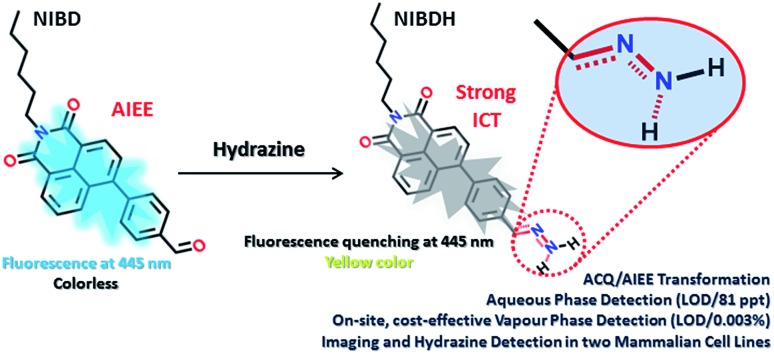
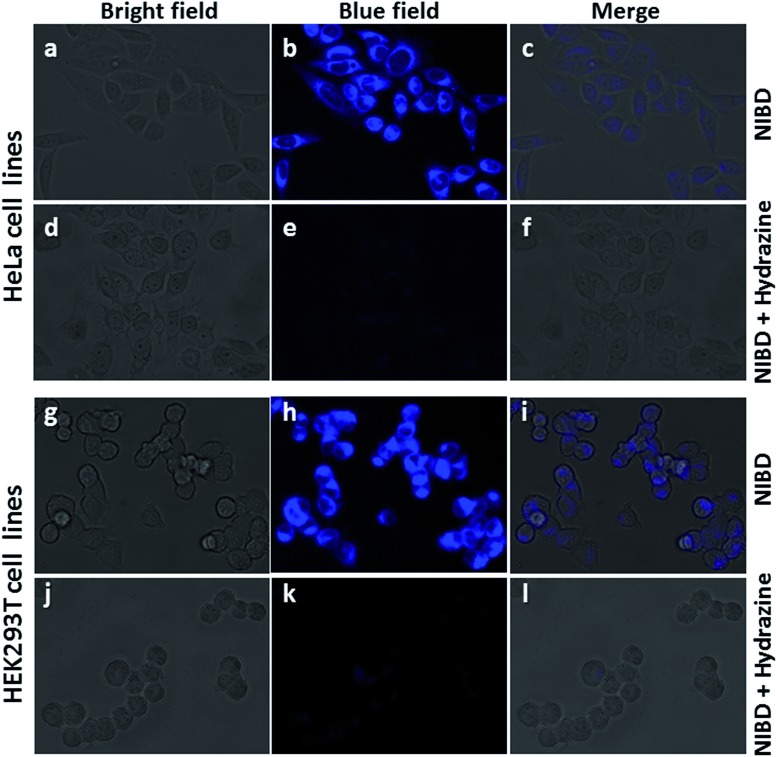
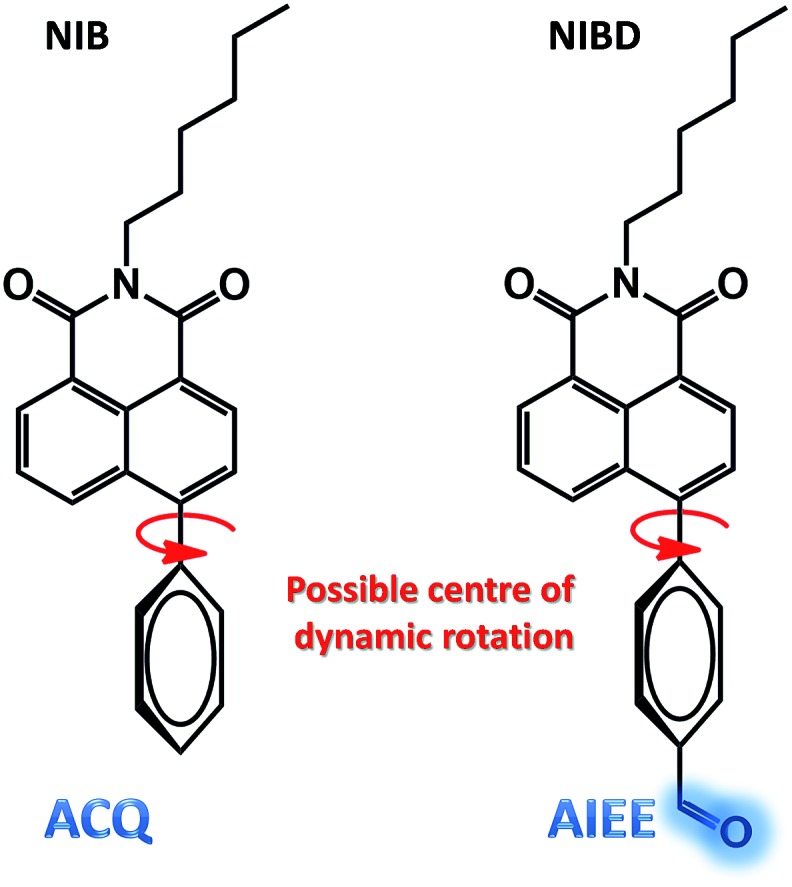
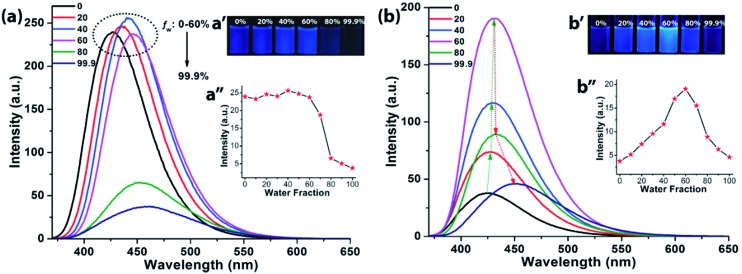
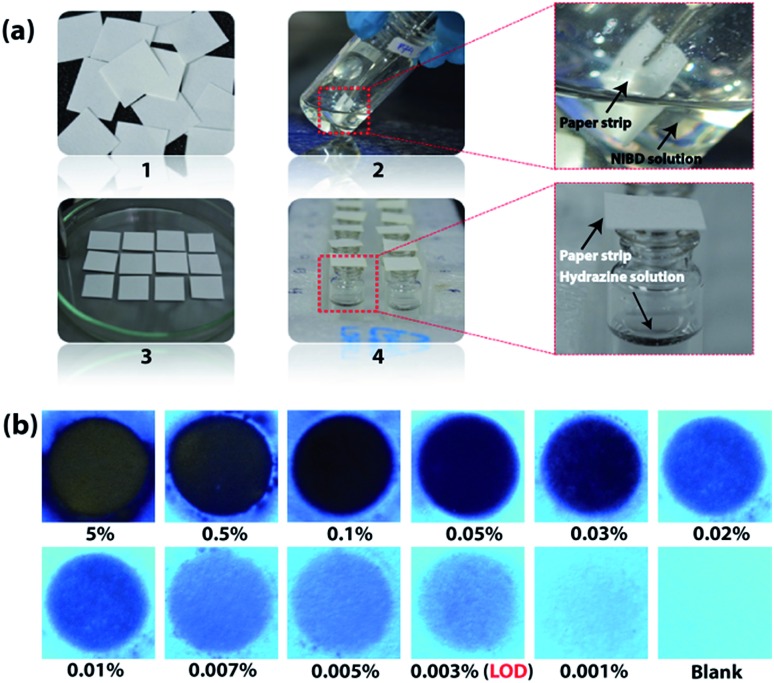
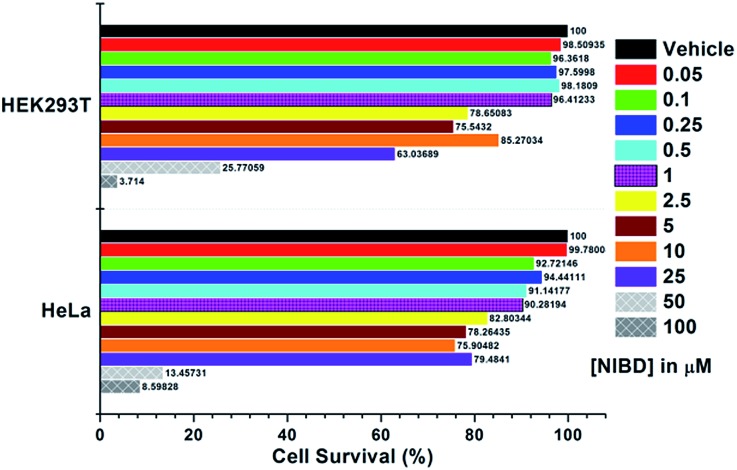
Restriction of intramolecular motion (RIM) of rigid aromatic cores is the most universal mechanism so far that can successfully explain almost all AIE/AIEEgenic systems. By designing two novel naphthalimide derivatives ( and ), we experimentally demonstrated the effect of a single formyl group that can efficiently transform an aggregation caused quenching (ACQ) system () into an AIEEgenic system () by strengthening the RIM process. Besides, the newly designed naphthalimide AIEEgen () accomplished ultrasensitive detection of hydrazine at the parts per trillion level (LOD/81 ppt) in aqueous media with high selectivity and enormous improvement over the existing state of the art. An exceptional sensitivity is also achieved in the vapor phase (LOD/0.003%) using a Whatman paper strip based portable device for simple and cost-effective on-site detection. The detection mechanism involved a reaction-based spontaneous formation of a non-fluorescent hydrazone Schiff base derivative (). The potentiality of the AIEEgenic probe was also demonstrated in two mammalian cell lines HeLa (human cervical cancer cell line) and HEK293T (Human embryonic kidney cell line that expresses a mutant version of the SV40 large T antigen). Owing to the highly selective formation of the hydrazone Schiff base complex with hydrazine, responds to the existence of hydrazine in both these cell lines without any interference from other biologically rich metal ions and amino acids. These outcomes could initiate a much wider use of formyl group induced condensed state emission and a key hypothesis that could generate newer avenues for ACQ to AIEE transformations for several practical applications including hydrazone Schiff base complexation for probing and manipulating hydrazine biology associated with several metabolic activities.
刚性芳香核的分子内运动受限(RIM)是目前最普遍的机制,几乎可以成功解释所有聚集诱导发光(AIE)/聚集诱导增强发光(AIEE)体系。通过设计两种新型萘酰亚胺衍生物( 和 ),我们通过实验证明了单个甲酰基的作用,它可以通过加强RIM过程有效地将聚集猝灭(ACQ)体系( )转变为AIEE体系( )。此外,新设计的萘酰亚胺AIEE发光体( )在水介质中实现了对肼的超灵敏检测,检测限低至万亿分之一水平(LOD/81 ppt),具有高选择性,与现有技术水平相比有了巨大提升。使用基于Whatman纸条的便携式设备在气相中也实现了优异的灵敏度(LOD/0.003%),用于简单且经济高效的现场检测。检测机制涉及基于反应自发形成非荧光腙席夫碱衍生物( )。这种AIEE发光探针在两种哺乳动物细胞系(人宫颈癌细胞系HeLa和表达SV40大T抗原突变体的人胚肾细胞系HEK293T)中也得到了验证。由于与肼高度选择性地形成腙席夫碱配合物, 对这两种细胞系中肼的存在有响应,不受其他生物丰富的金属离子和氨基酸的干扰。这些结果可能会引发甲酰基诱导凝聚态发射的更广泛应用,以及一个关键假设,即可以为从ACQ到AIEE的转变开辟新途径,用于包括腙席夫碱络合以探测和操纵与多种代谢活动相关的肼生物学在内的多种实际应用。