Zhong Zhenyu, Pannu Vaishali, Rosenow Matthew, Stark Adam, Spetzler David
Caris Life Sciences, 4610 S. 44th Pl, Phoenix, AZ 85248, USA.
Molecular and Cellular Biology, School of Life Sciences, Arizona State University, Tempe, AZ 85287, USA.
Cancers (Basel). 2018 Jun 4;10(6):180. doi: 10.3390/cancers10060180.
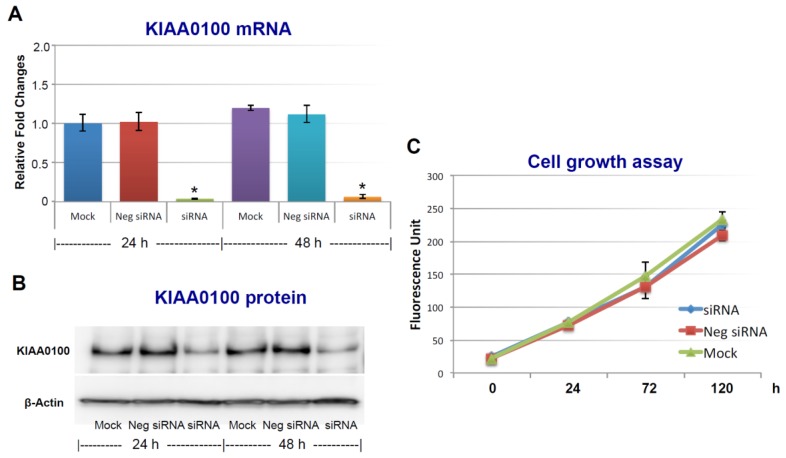
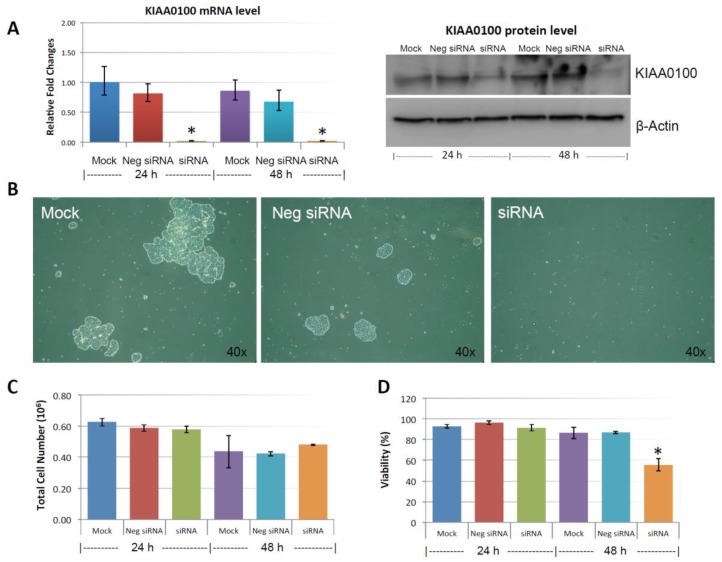
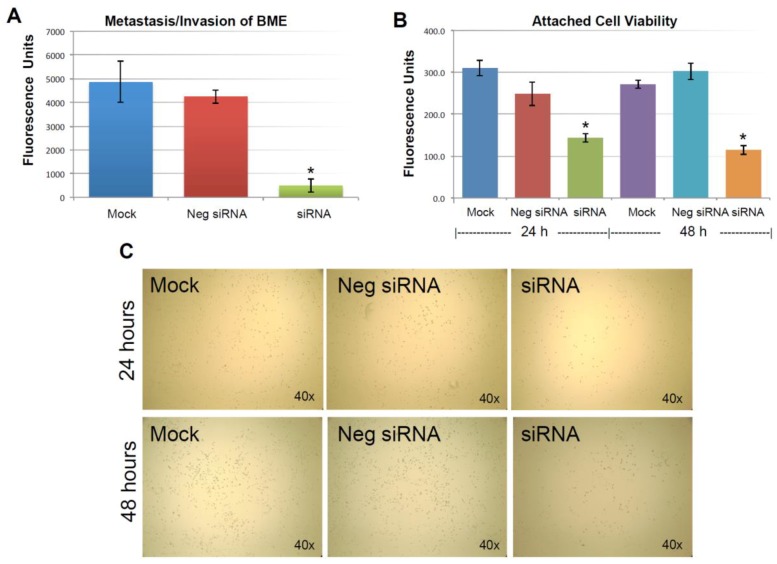
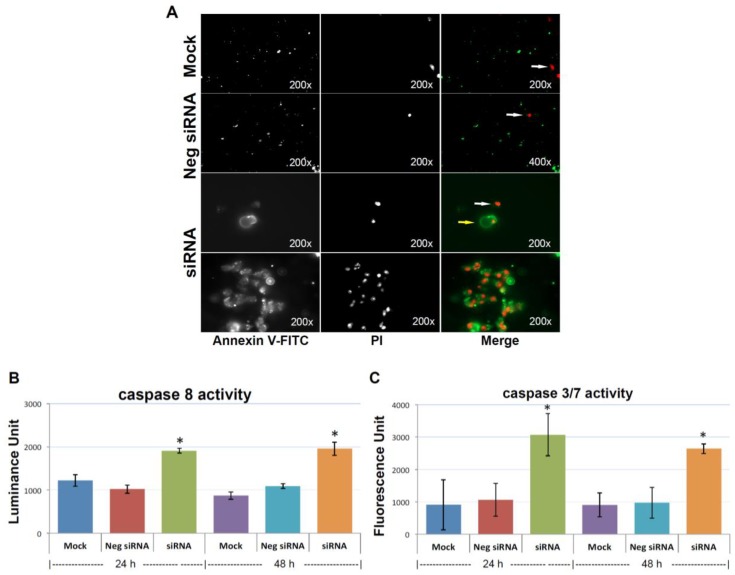
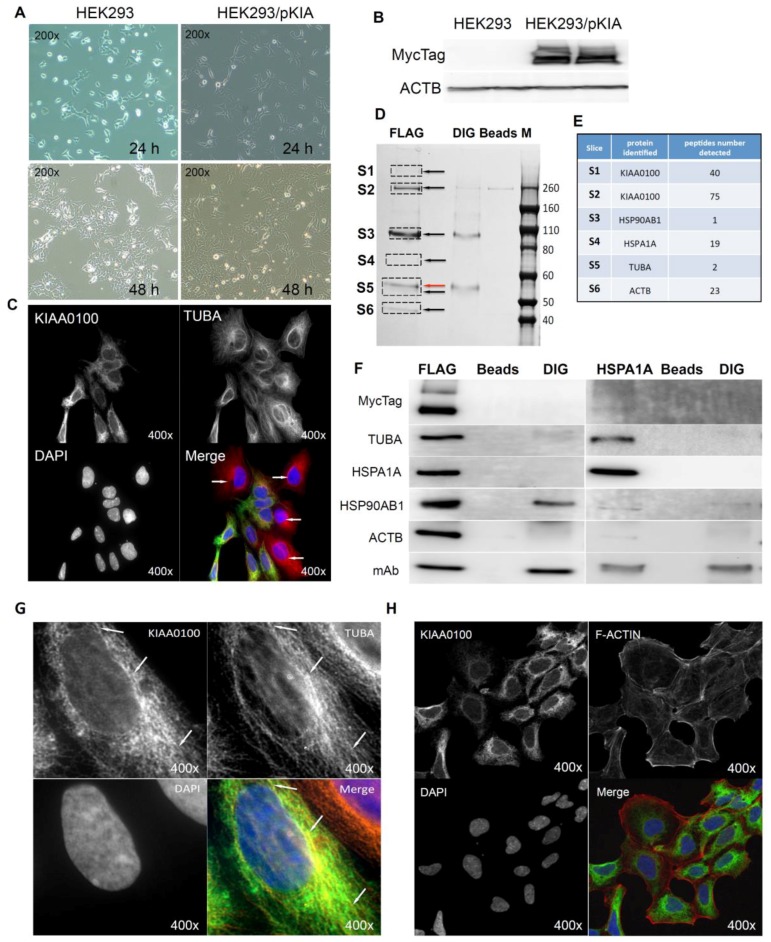
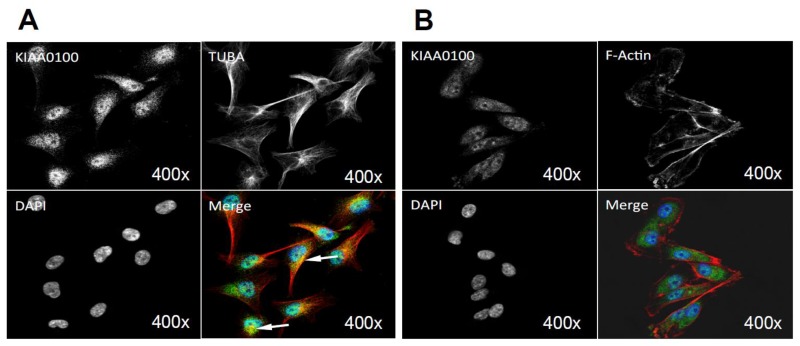
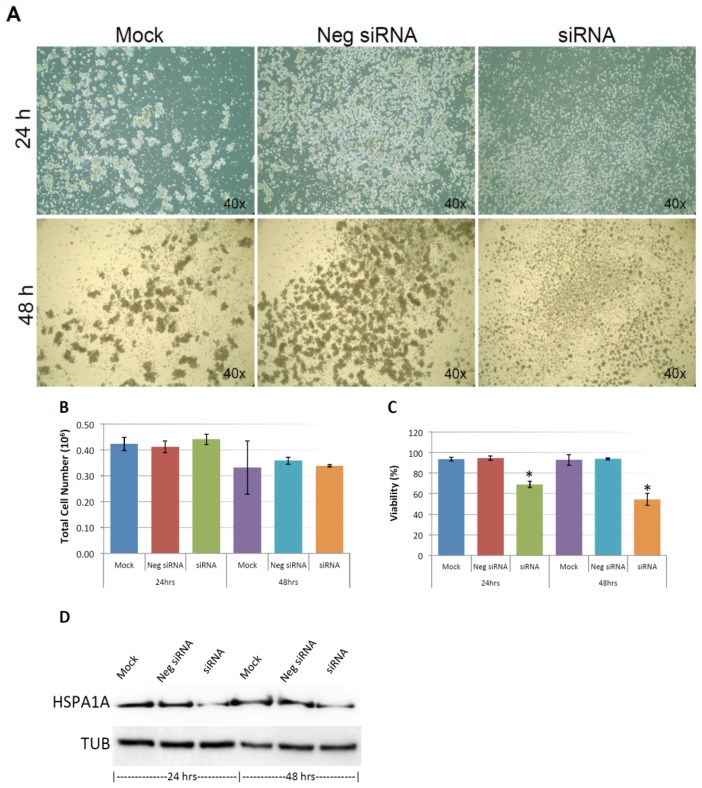
The gene was identified in the human immature myeloid cell line cDNA library. Recent studies have shown that its expression is elevated in breast cancer and associated with more aggressive cancer types as well as poor outcomes. However, its cellular and molecular function is yet to be understood. Here we show that silencing by siRNA in the breast cancer cell line MDA-MB-231 significantly reduced the cancer cells' aggressive behavior, including cell aggregation, reattachment, cell metastasis and invasion. Most importantly, silencing the expression of particularly sensitized the quiescent cancer cells in suspension culture to anoikis. Immunoprecipitation, mass spectrometry and immunofluorescence analysis revealed that may play multiple roles in the cancer cells, including stabilizing microtubule structure as a microtubule binding protein, and contributing to MDA-MB-231 cells Anoikis resistance by the interaction with stress protein HSPA1A. Our study also implies that the interaction between KIAA0100 and HSPA1A may be targeted for new drug development to specifically induce anoikis cell death in the cancer cell.
该基因是在人未成熟髓样细胞系cDNA文库中鉴定出来的。最近的研究表明,其在乳腺癌中的表达升高,与更具侵袭性的癌症类型以及不良预后相关。然而,其细胞和分子功能尚不清楚。在此我们表明,在乳腺癌细胞系MDA-MB-231中通过小干扰RNA(siRNA)使其沉默,可显著降低癌细胞的侵袭性行为,包括细胞聚集、重新附着、细胞转移和侵袭。最重要的是,沉默该基因的表达特别使悬浮培养中的静止癌细胞对失巢凋亡敏感。免疫沉淀、质谱分析和免疫荧光分析表明,该基因可能在癌细胞中发挥多种作用,包括作为微管结合蛋白稳定微管结构,并通过与应激蛋白HSPA1A相互作用导致MDA-MB-231细胞产生失巢凋亡抗性。我们的研究还表明,KIAA0100与HSPA1A之间的相互作用可能是新药开发的靶点,以特异性诱导癌细胞发生失巢凋亡性细胞死亡。