Shandong Provincial Key Laboratory of Oral Tissue Regeneration, Department of Bone Metabolism, School of Stomatology, Shandong University, Jinan 250012, China.
Department of Developmental Biology of Hard Tissue, Graduate School of Dental Medicine, Hokkaido University, Sapporo 060-8586, Japan.
Int J Mol Sci. 2018 Jun 7;19(6):1698. doi: 10.3390/ijms19061698.
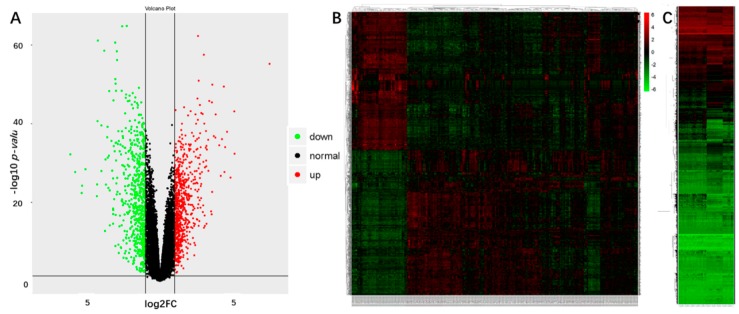
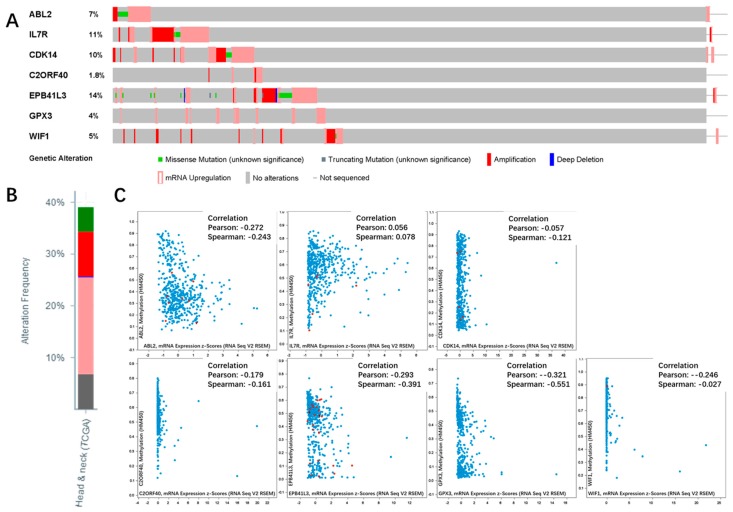
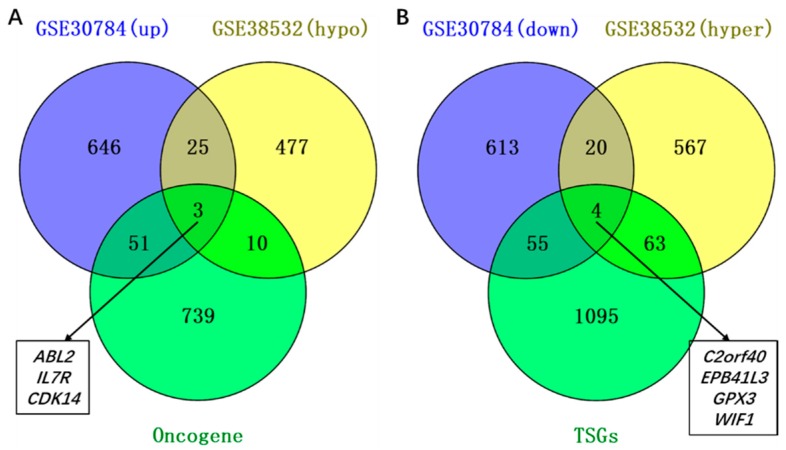
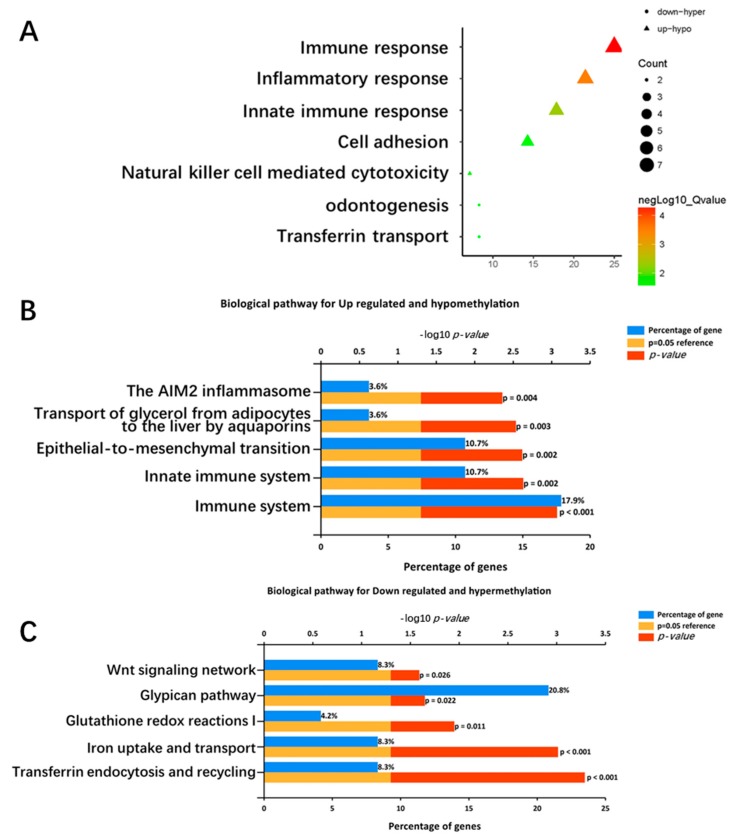
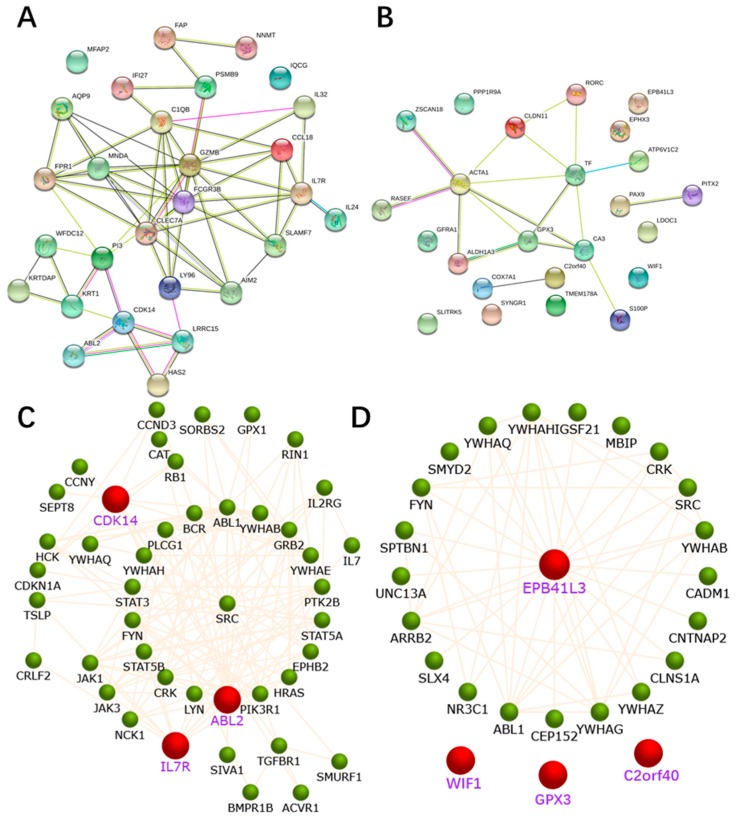
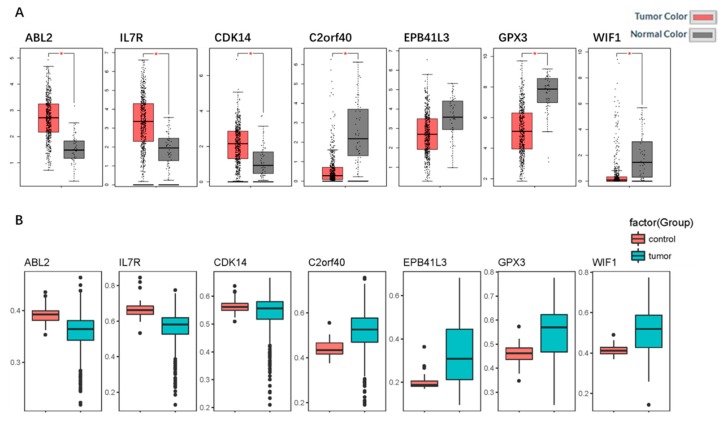
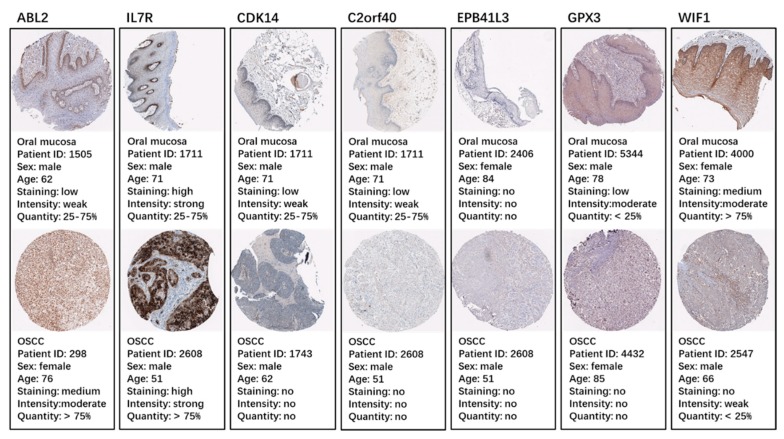
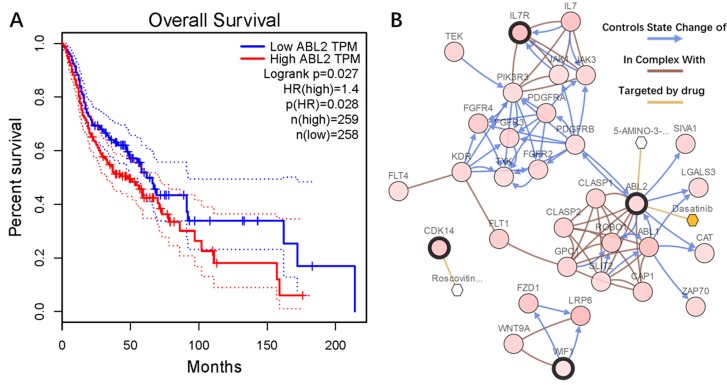
Oral squamous cell carcinoma (OSCC) is a malignant disease. Methylation plays a key role in the etiology and pathogenesis of OSCC. The goal of this study was to identify aberrantly methylated differentially expressed genes (DEGs) in OSCCs, and to explore the underlying mechanisms of tumorigenesis by using integrated bioinformatic analysis. Gene expression profiles (GSE30784 and GSE38532) were analyzed using the R software to obtain aberrantly methylated DEGs. Functional enrichment analysis of screened genes was performed using the DAVID software. Protein⁻protein interaction (PPI) networks were constructed using the STRING database. The cBioPortal software was used to exhibit the alterations of genes. Lastly, we validated the results with the Cancer Genome Atlas (TCGA) data. Twenty-eight upregulated hypomethylated genes and 24 downregulated hypermethylated genes were identified. These genes were enriched in the biological process of regulation in immune response, and were mainly involved in the PI3K-AKT and EMT pathways. Additionally, three upregulated hypomethylated oncogenes and four downregulated hypermethylated tumor suppressor genes (TSGs) were identified. In conclusion, our study indicated possible aberrantly methylated DEGs and pathways in OSCCs, which could improve the understanding of the underlying molecular mechanisms. Aberrantly methylated oncogenes and TSGs may also serve as biomarkers and therapeutic targets for the precise diagnosis and treatment of OSCCs in the future.
口腔鳞状细胞癌 (OSCC) 是一种恶性疾病。甲基化在 OSCC 的病因和发病机制中起着关键作用。本研究旨在通过整合生物信息学分析,鉴定 OSCC 中异常甲基化的差异表达基因 (DEGs),并探讨肿瘤发生的潜在机制。使用 R 软件分析基因表达谱 (GSE30784 和 GSE38532),以获得异常甲基化的 DEGs。使用 DAVID 软件对筛选出的基因进行功能富集分析。使用 STRING 数据库构建蛋白质⁻蛋白质相互作用 (PPI) 网络。使用 cBioPortal 软件展示基因的改变。最后,我们使用癌症基因组图谱 (TCGA) 数据验证结果。鉴定出 28 个上调的低甲基化基因和 24 个下调的高甲基化基因。这些基因富集在免疫反应的调节等生物学过程中,主要涉及 PI3K-AKT 和 EMT 途径。此外,还鉴定出 3 个上调的低甲基化癌基因和 4 个下调的高甲基化肿瘤抑制基因 (TSG)。总之,本研究表明 OSCC 中可能存在异常甲基化的 DEGs 和通路,这可能有助于深入了解潜在的分子机制。异常甲基化的癌基因和 TSG 也可能成为未来 OSCC 精确诊断和治疗的生物标志物和治疗靶点。