Bédard François, Biron Eric
Faculty of Pharmacy and Institute of Nutrition and Functional Foods, Université Laval, Québec, QC, Canada.
Laboratory of Medicinal Chemistry, CHU de Québec Research Centre, Québec, QC, Canada.
Front Microbiol. 2018 May 23;9:1048. doi: 10.3389/fmicb.2018.01048. eCollection 2018.
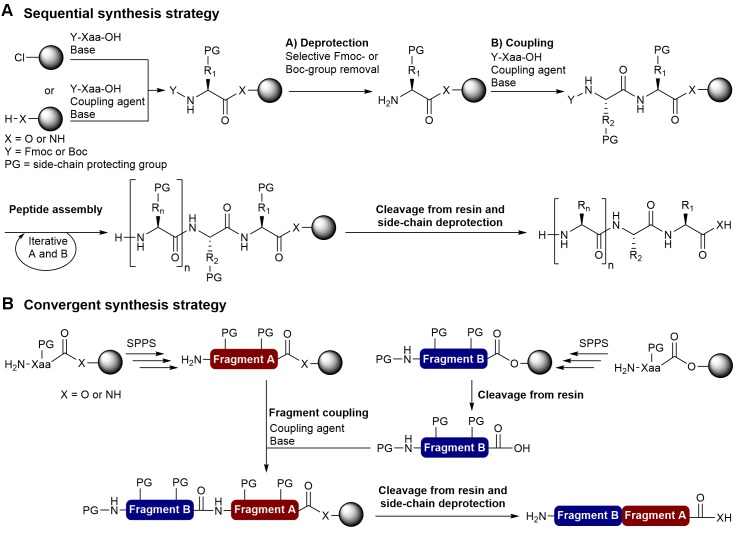
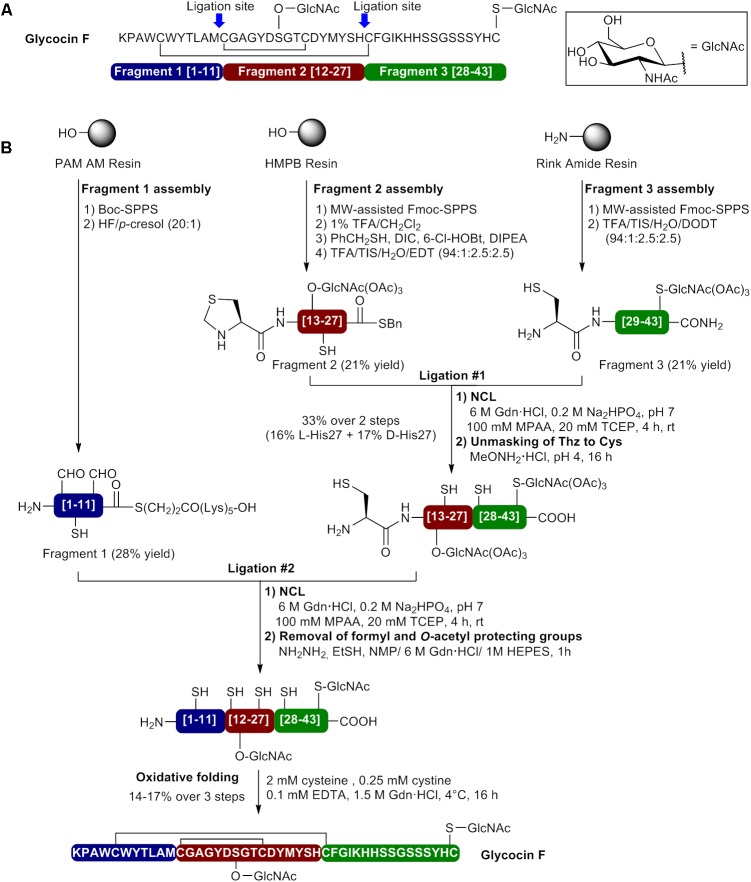
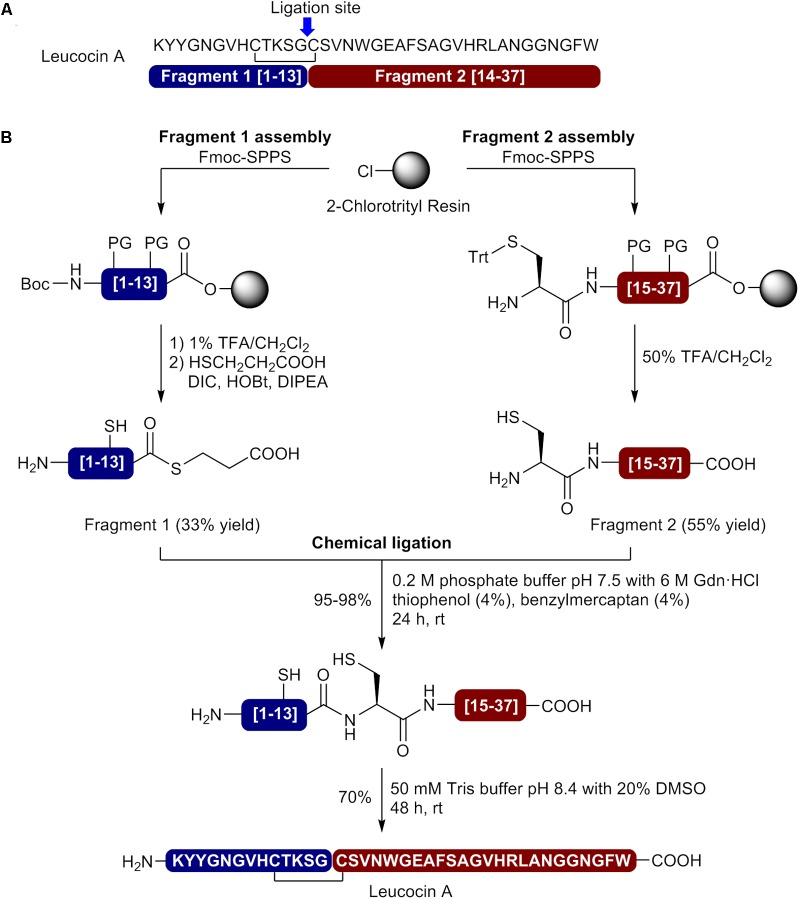
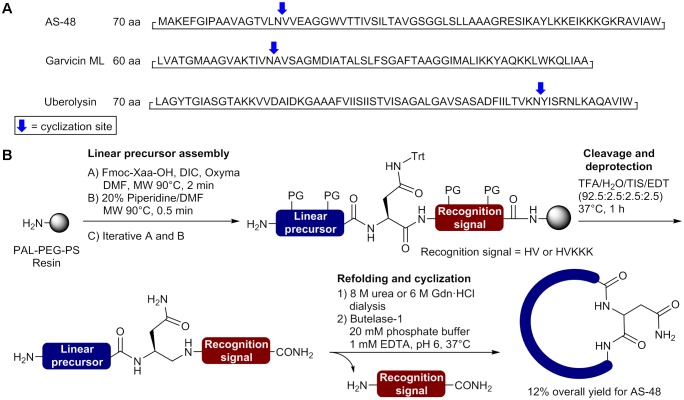
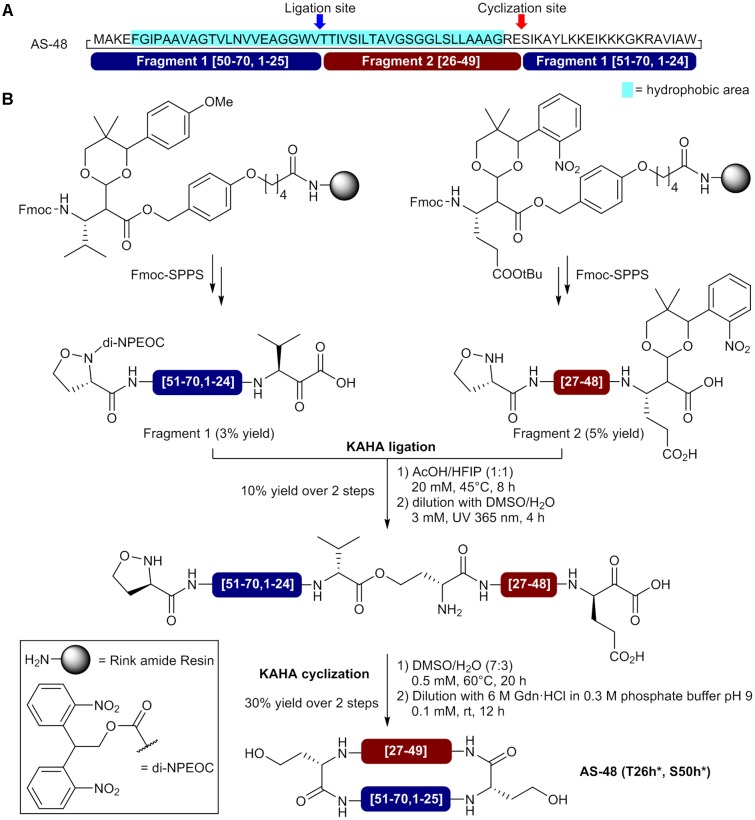
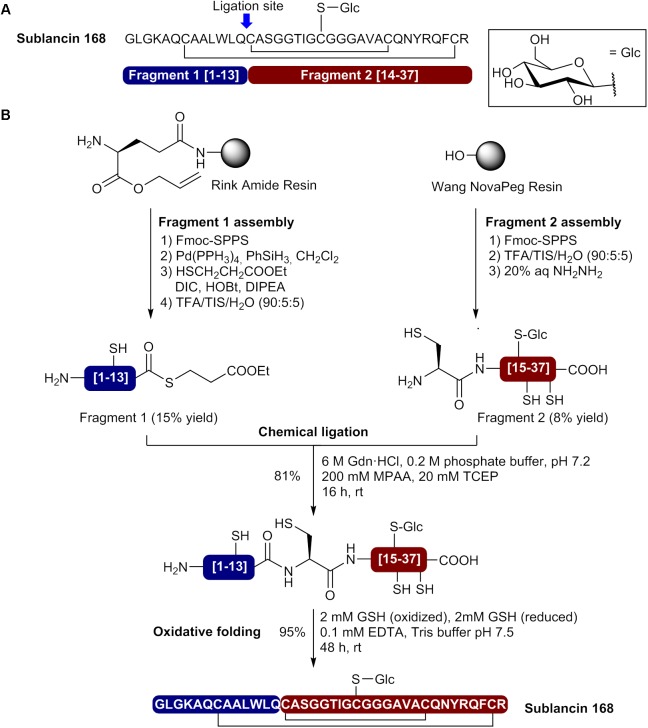
A wide variety of antimicrobial peptides produced by lactic acid bacteria (LAB) have been identified and studied in the last decades. Known as bacteriocins, these ribosomally synthesized peptides inhibit the growth of a wide range of bacterial species through numerous mechanisms and show a great variety of spectrum of activity. With their great potential as antimicrobial additives and alternatives to traditional antibiotics in food preservation and handling, animal production and in veterinary and medical medicine, the demand for bacteriocins is rapidly increasing. Bacteriocins are most often produced by fermentation but, in several cases, the low isolated yields and difficulties associated with their purification seriously limit their use on a large scale. Chemical synthesis has been proposed for their production and recent advances in peptide synthesis methodologies have allowed the preparation of several bacteriocins. Moreover, the significant cost reduction for peptide synthesis reagents and building blocks has made chemical synthesis of bacteriocins more attractive and competitive. From a protein engineering point of view, the chemical approach offers many advantages such as the possibility to rapidly perform amino acid substitution, use unnatural or modified residues, and make backbone and side chain modifications to improve potency, modify the activity spectrum or increase the stability of the targeted bacteriocin. This review summarized synthetic approaches that have been developed and used in recent years to allow the preparation of class IIa bacteriocins and -linked glycopeptides from LAB. Synthetic strategies such as the use of pseudoprolines, backbone protecting groups, microwave irradiations, selective disulfide bridge formation and chemical ligations to prepare class II and -glycosylsated bacteriocins are discussed.
在过去几十年中,人们已鉴定并研究了多种由乳酸菌(LAB)产生的抗菌肽。这些核糖体合成的肽被称为细菌素,它们通过多种机制抑制多种细菌的生长,并展现出各种各样的活性谱。由于细菌素在食品保鲜与处理、动物生产以及兽医和医学领域作为抗菌添加剂和传统抗生素替代品具有巨大潜力,对细菌素的需求正在迅速增加。细菌素大多通过发酵生产,但在一些情况下,其分离产率低以及与纯化相关的困难严重限制了它们的大规模应用。有人提出通过化学合成来生产细菌素,并且肽合成方法学的最新进展已使得制备多种细菌素成为可能。此外,肽合成试剂和构建模块成本的显著降低使细菌素的化学合成更具吸引力和竞争力。从蛋白质工程的角度来看,化学方法具有许多优势,比如能够快速进行氨基酸替换、使用非天然或修饰的残基,以及对主链和侧链进行修饰以提高效力、改变活性谱或增加目标细菌素的稳定性。本综述总结了近年来已开发并用于制备来自LAB的IIa类细菌素和糖基化肽的合成方法。讨论了诸如使用假脯氨酸、主链保护基团、微波辐射、选择性二硫键形成和化学连接等合成策略来制备II类和糖基化细菌素。