Amarna Therapeutics SL, Sevilla, Spain.
Amarna Therapeutics BV, Leiden, Netherlands.
Front Immunol. 2018 May 28;9:1160. doi: 10.3389/fimmu.2018.01160. eCollection 2018.
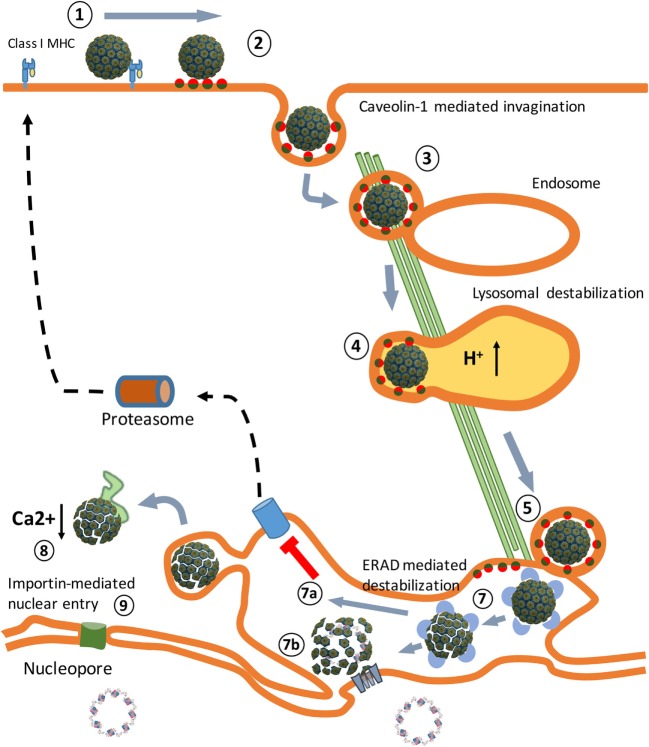
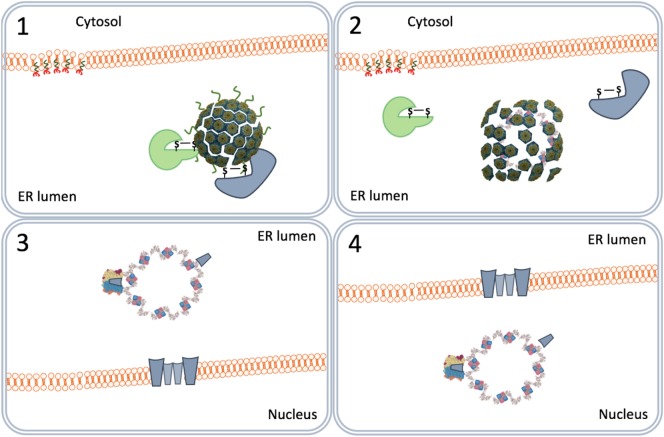
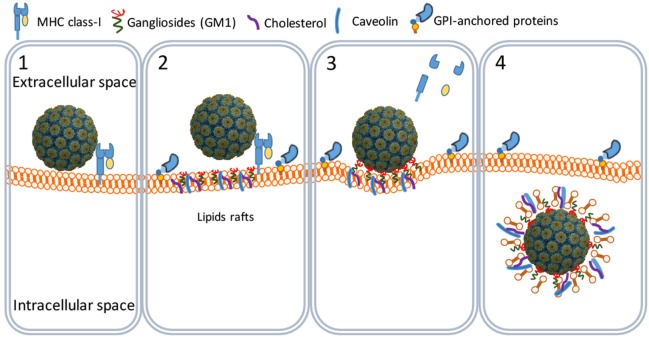
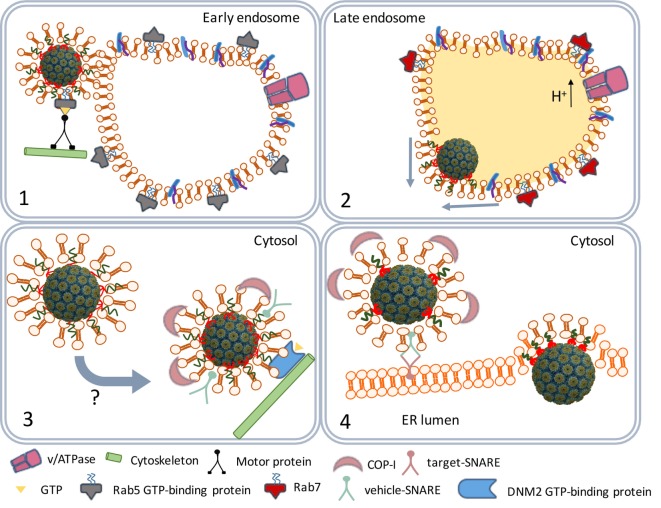
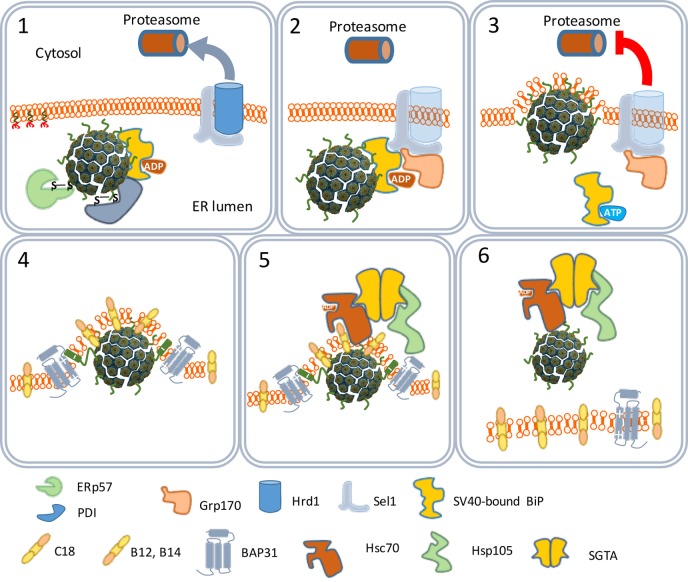
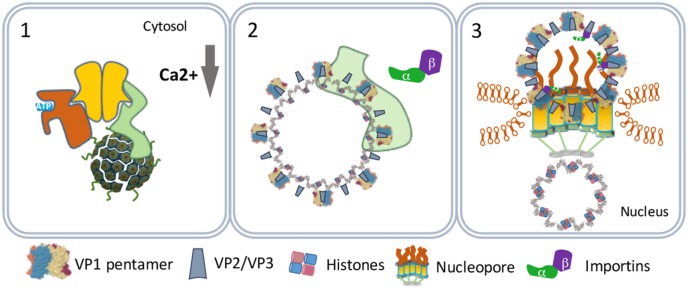
Viruses efficiently transfer and express their genes in host cells and evolve to evade the host's defense responses. These properties render them highly attractive for use as gene delivery vectors in vaccines, gene, and immunotherapies. Among the viruses used as gene delivery vectors, the macaque polyomavirus Simian Virus 40 (SV40) is unique in its capacity to evade intracellular antiviral defense responses upon cell entry. We here describe the unique way by which SV40 particles deliver their genomes in the nucleus of permissive cells and how they prevent presentation of viral antigens to the host's immune system. The non-immunogenicity in its natural host is not only of benefit to the virus but also to us in developing effective SV40 vector-based treatments for today's major human diseases.
病毒在宿主细胞中高效地转移和表达它们的基因,并进化以逃避宿主的防御反应。这些特性使它们成为疫苗、基因和免疫疗法中基因传递载体的极具吸引力的选择。在用作基因传递载体的病毒中,猕猴多瘤病毒猴病毒 40(SV40)在进入细胞后能够逃避细胞内抗病毒防御反应方面是独一无二的。我们在这里描述了 SV40 颗粒在允许的细胞的核内传递其基因组的独特方式,以及它们如何防止病毒抗原呈递给宿主的免疫系统。在其自然宿主中缺乏免疫原性不仅对病毒有益,而且对我们开发有效的基于 SV40 载体的治疗当今主要人类疾病的方法也有益。