Shi Dashuang, Caldovic Ljubica, Tuchman Mendel
Center for Genetic Medicine Research, Children's National Medical Center, Washington, DC 20010, USA.
Department of Genomics and Precision Medicine, The George Washington University, Washington, DC 20010, USA.
Biology (Basel). 2018 Jun 12;7(2):34. doi: 10.3390/biology7020034.
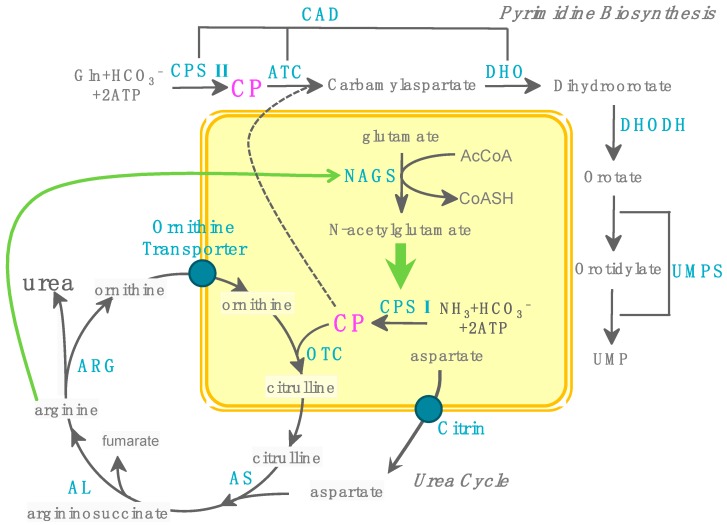
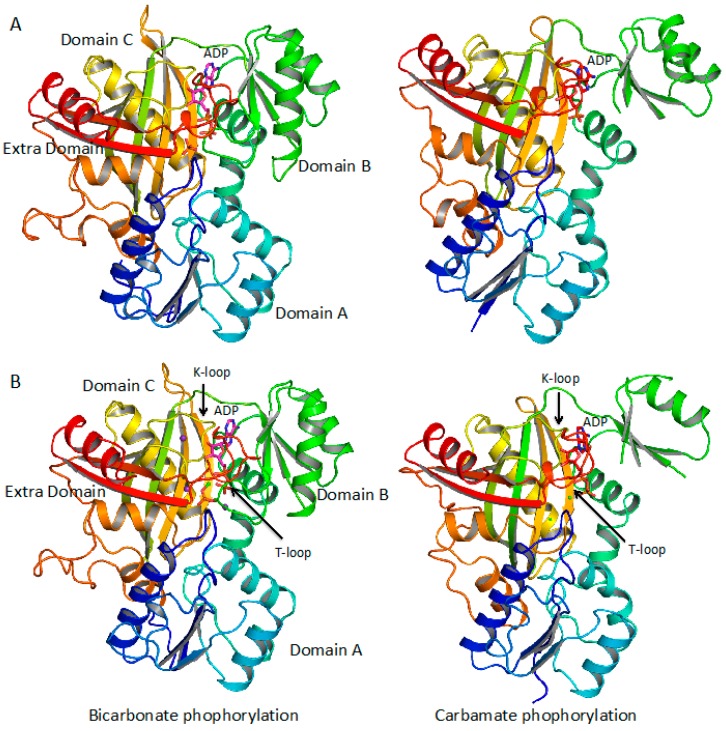
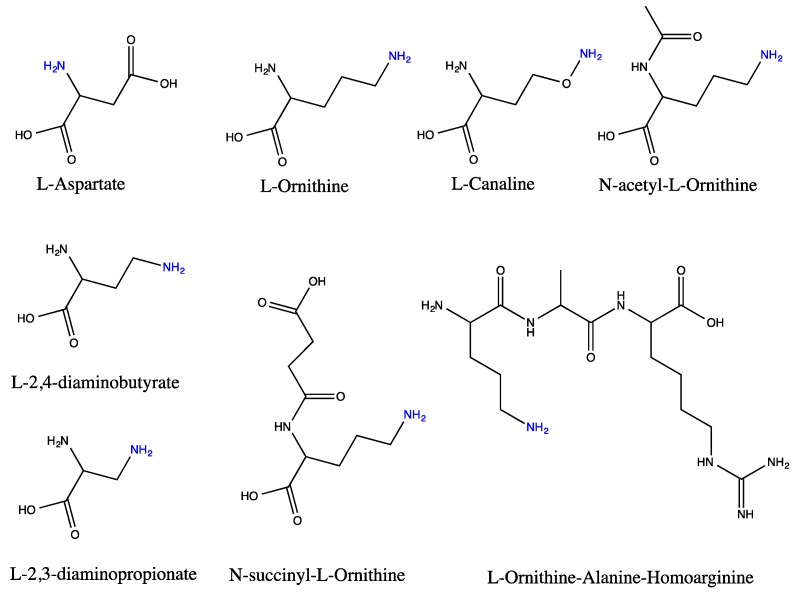
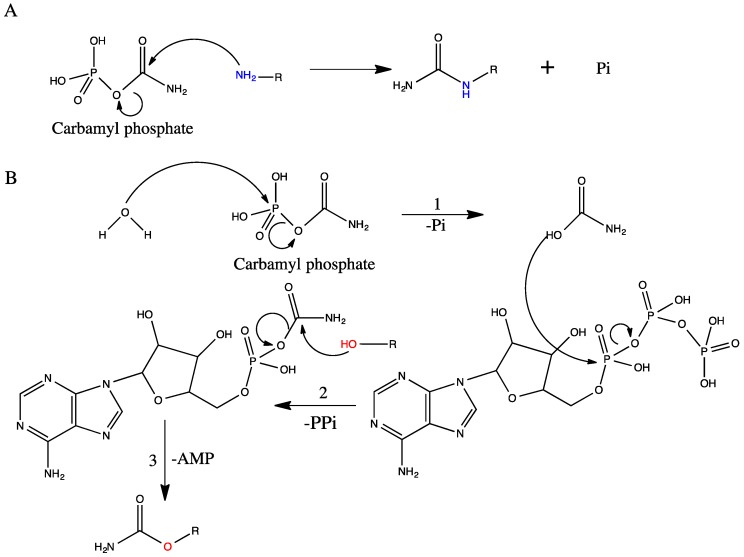
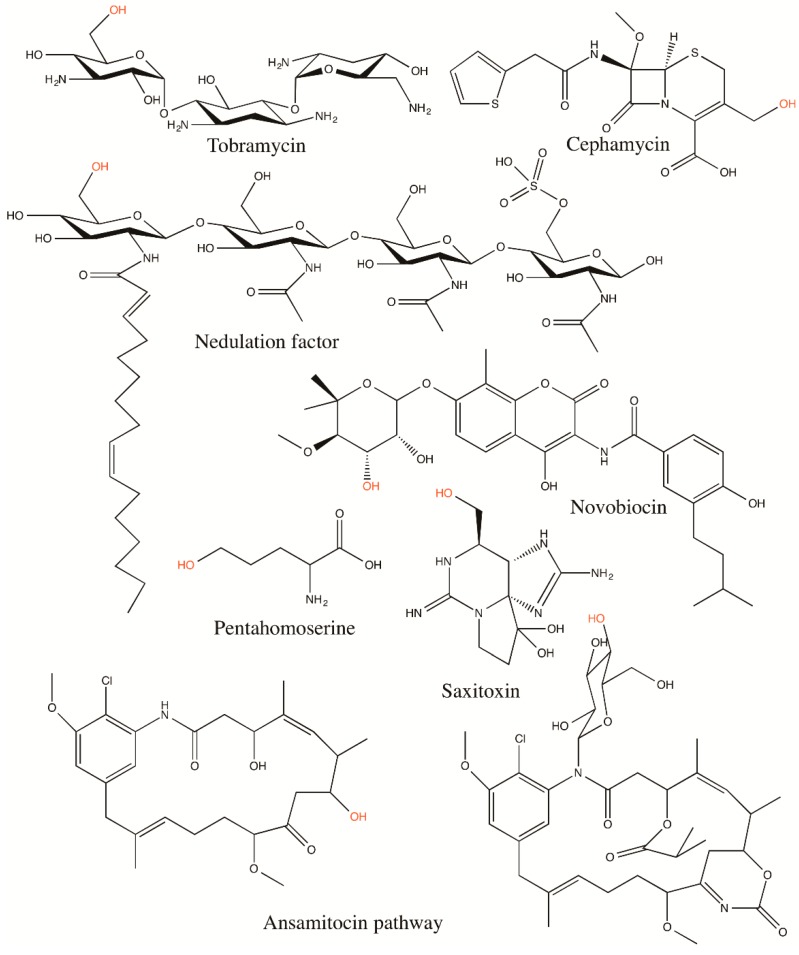
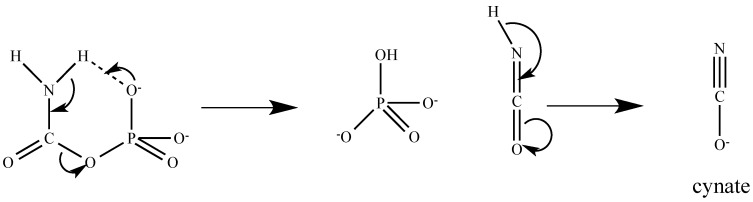
Carbamyl phosphate (CP) is well-known as an essential intermediate of pyrimidine and arginine/urea biosynthesis. Chemically, CP can be easily synthesized from dihydrogen phosphate and cyanate. Enzymatically, CP can be synthesized using three different classes of enzymes: (1) ATP-grasp fold protein based carbamyl phosphate synthetase (CPS); (2) Amino-acid kinase fold carbamate kinase (CK)-like CPS (anabolic CK or aCK); and (3) Catabolic transcarbamylase. The first class of CPS can be further divided into three different types of CPS as CPS I, CPS II, and CPS III depending on the usage of ammonium or glutamine as its nitrogen source, and whether -acetyl-glutamate is its essential co-factor. CP can donate its carbamyl group to the amino nitrogen of many important molecules including the most well-known ornithine and aspartate in the arginine/urea and pyrimidine biosynthetic pathways. CP can also donate its carbamyl group to the hydroxyl oxygen of a variety of molecules, particularly in many antibiotic biosynthetic pathways. Transfer of the carbamyl group to the nitrogen group is catalyzed by the anabolic transcarbamylase using a direct attack mechanism, while transfer of the carbamyl group to the oxygen group is catalyzed by a different class of enzymes, CmcH/NodU CTase, using a different mechanism involving a three-step reaction, decomposition of CP to carbamate and phosphate, transfer of the carbamyl group from carbamate to ATP to form carbamyladenylate and pyrophosphate, and transfer of the carbamyl group from carbamyladenylate to the oxygen group of the substrate. CP is also involved in transferring its phosphate group to ADP to generate ATP in the fermentation of many microorganisms. The reaction is catalyzed by carbamate kinase, which may be termed as catabolic CK (cCK) in order to distinguish it from CP generating CK. CP is a thermally labile molecule, easily decomposed into phosphate and cyanate, or phosphate and carbamate depending on the pH of the solution, or the presence of enzyme. Biological systems have developed several mechanisms including channeling between enzymes, increased affinity of CP to enzymes, and keeping CP in a specific conformation to protect CP from decomposition. CP is highly important for our health as both a lack of, or decreased, CP production and CP accumulation results in many disease conditions.
氨甲酰磷酸(CP)是嘧啶和精氨酸/尿素生物合成的重要中间产物,广为人知。从化学角度来看,CP可由磷酸二氢盐和氰酸盐轻松合成。从酶促反应角度,CP可通过三类不同的酶合成:(1)基于ATP抓取折叠蛋白的氨甲酰磷酸合成酶(CPS);(2)氨基酸激酶折叠的氨基甲酸激酶(CK)样CPS(合成代谢CK或aCK);(3)分解代谢转氨甲酰酶。第一类CPS根据其氮源是铵还是谷氨酰胺,以及N - 乙酰谷氨酸是否为其必需辅因子,可进一步分为三种不同类型的CPS,即CPS I、CPS II和CPS III。CP可将其氨甲酰基转移至许多重要分子的氨基氮上,包括精氨酸/尿素和嘧啶生物合成途径中最为人熟知的鸟氨酸和天冬氨酸。CP还可将其氨甲酰基转移至多种分子的羟基氧上,尤其是在许多抗生素生物合成途径中。氨甲酰基向氮基团的转移由合成代谢转氨甲酰酶通过直接攻击机制催化,而氨甲酰基向氧基团的转移则由另一类酶CmcH/NodU CTase催化,其机制不同,涉及三步反应,即CP分解为氨基甲酸酯和磷酸盐,氨甲酰基从氨基甲酸酯转移至ATP形成氨甲酰腺苷酸和焦磷酸盐,以及氨甲酰基从氨甲酰腺苷酸转移至底物的氧基团。CP还参与在许多微生物发酵过程中将其磷酸基团转移至ADP以生成ATP。该反应由氨基甲酸激酶催化,为了将其与生成CP的CK区分开来,可将其称为分解代谢CK(cCK)。CP是一种热不稳定分子,根据溶液的pH值或酶的存在情况,很容易分解为磷酸盐和氰酸盐,或磷酸盐和氨基甲酸酯。生物系统已发展出多种机制,包括酶之间的通道化、CP对酶亲和力的增加以及使CP保持特定构象,以保护CP不被分解。CP对我们的健康极为重要,因为CP生成不足或减少以及CP积累都会导致许多疾病状况。