Becker Stephan, Fröhlich Michael, Kelm Jens, Ludwig Oliver
Department of Sport Science, Technische Universität Kaiserslautern, 67663 Kaiserslautern, Germany.
Chirurgisch-Orthopädisches Zentrum, 66557 Illingen, Germany.
Sports (Basel). 2018 Apr 11;6(2):33. doi: 10.3390/sports6020033.
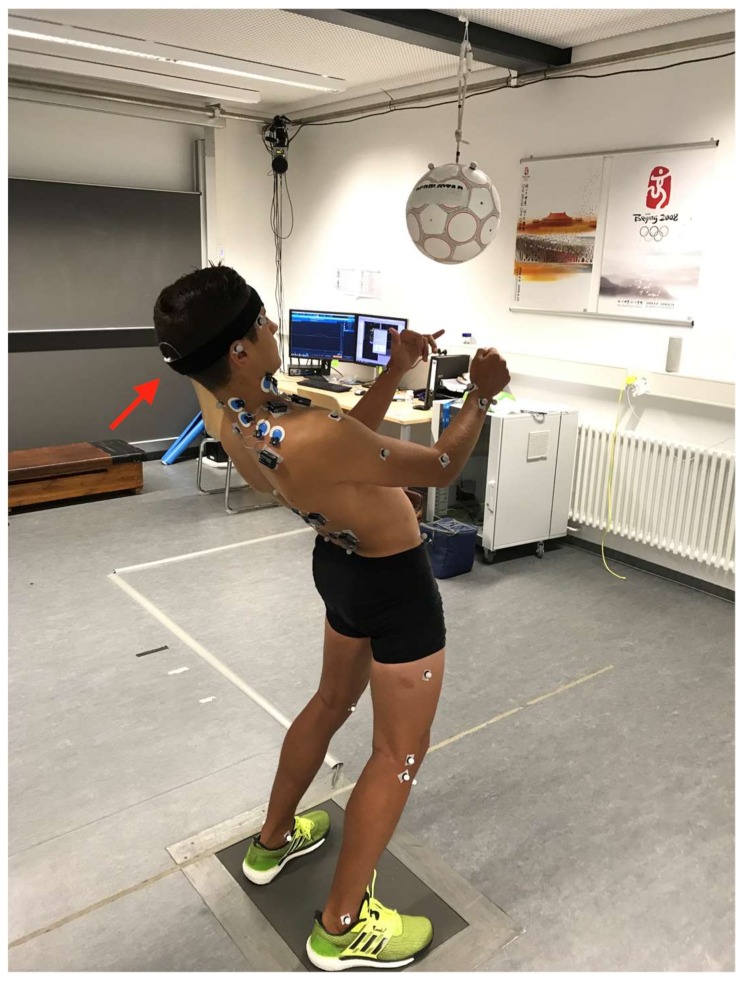
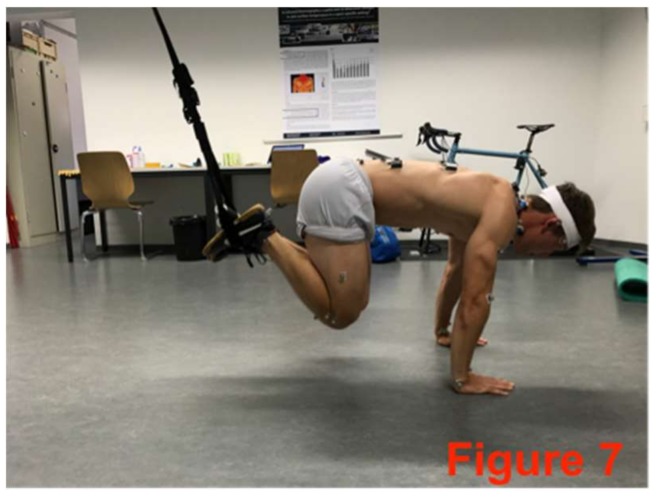
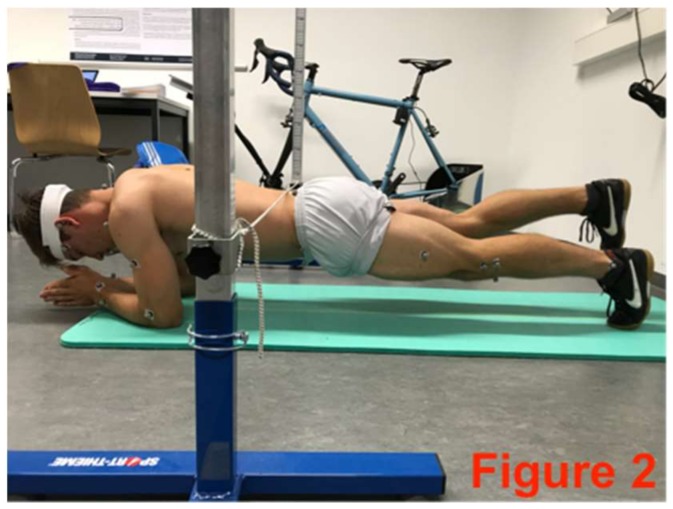
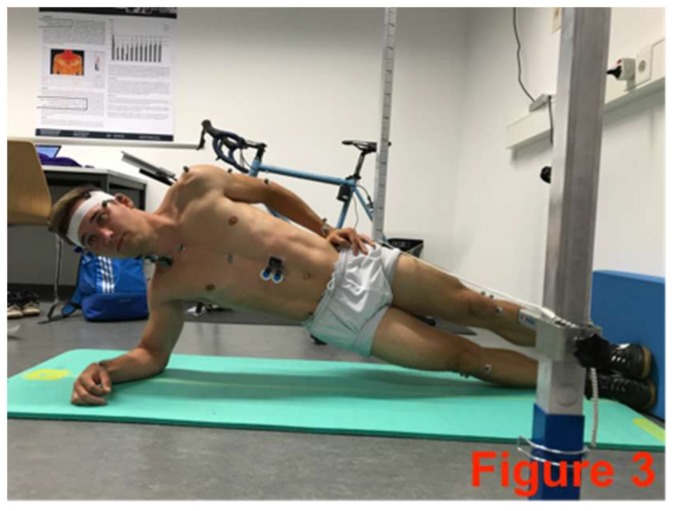
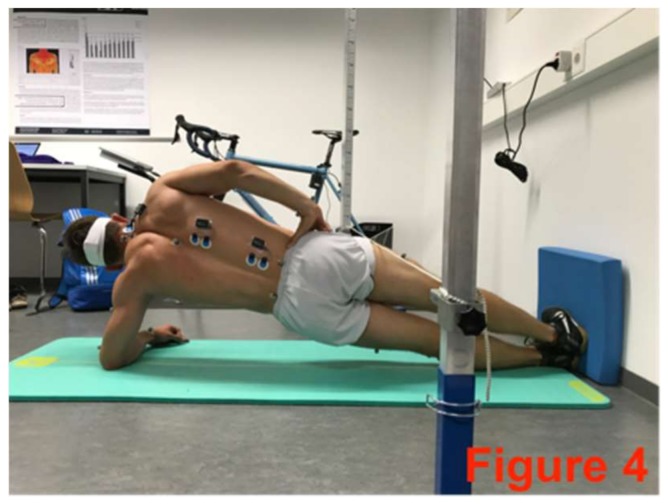
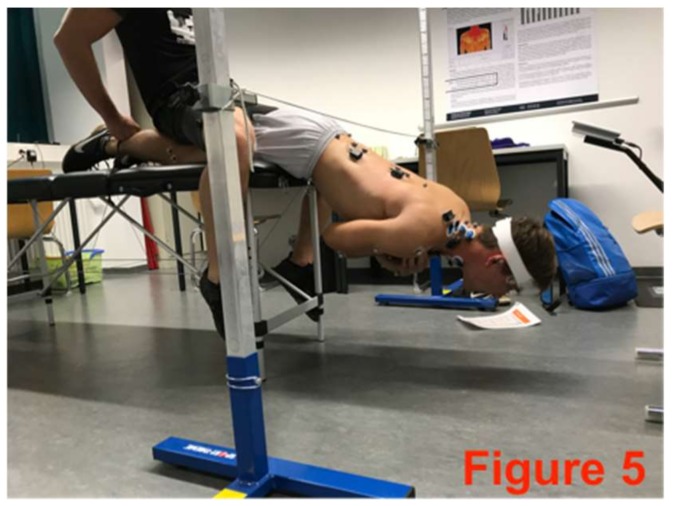
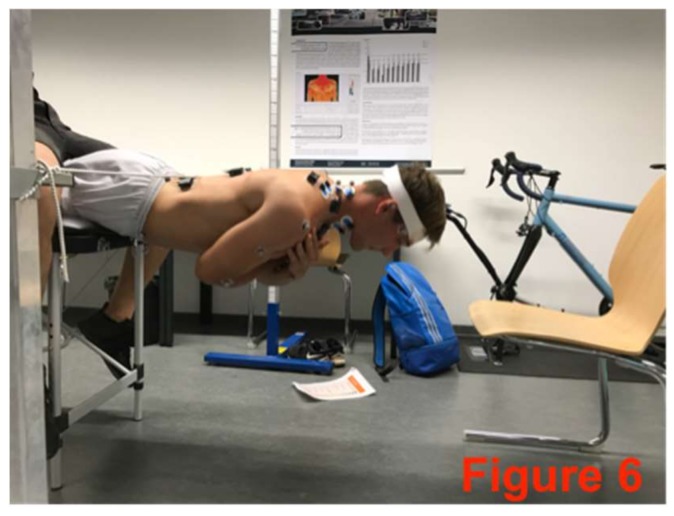
The core muscles play a central role in stabilizing the head during headers in soccer. The objective of this study was to examine the influence of a fatigued core musculature on the acceleration of the head during jump headers and run headers. Acceleration of the head was measured in a pre-post-design in 68 soccer players (age: 21.5 ± 3.8 years, height: 180.0 ± 13.9 cm, weight: 76.9 ± 8.1 kg). Data were recorded by means of a telemetric 3D acceleration sensor and with a pendulum header. The treatment encompassed two exercises each for the ventral, lateral, and dorsal muscle chains. The acceleration of the head between pre- and post-test was reduced by 0.3 G ( = 0.011) in jump headers and by 0.2 G ( = 0.067) in run headers. An additional analysis of all pretests showed an increased acceleration in run headers when compared to stand headers ( < 0.001) and jump headers ( < 0.001). No differences were found in the sub-group comparisons: semi-professional vs. recreational players, offensive vs. defensive players. Based on the results, we conclude that the acceleration of the head after fatiguing the core muscles does not increase, which stands in contrast to postulated expectations. More tests with accelerated soccer balls are required for a conclusive statement.
在足球头球攻门过程中,核心肌群在稳定头部方面起着关键作用。本研究的目的是检验疲劳的核心肌群对跳起头球攻门和跑动头球攻门时头部加速度的影响。对68名足球运动员(年龄:21.5±3.8岁,身高:180.0±13.9厘米,体重:76.9±8.1千克)采用前后测试设计对头加速度进行测量。数据通过遥测3D加速度传感器和摆式头球攻门进行记录。治疗包括针对腹侧、外侧和背侧肌肉链各进行两项练习。在跳起头球攻门中,测试前和测试后的头部加速度降低了0.3G(P = 0.011),在跑动头球攻门中降低了0.2G(P = 0.067)。对所有预测试的进一步分析表明,与站立头球攻门(P < 0.001)和跳起头球攻门(P < 0.001)相比,跑动头球攻门时加速度增加。在亚组比较中未发现差异:半职业球员与业余球员、进攻球员与防守球员。基于这些结果,我们得出结论,核心肌群疲劳后头部加速度并未增加,这与假定的预期相反。需要更多使用加速足球的测试才能得出确凿结论。