Maja Cigrovski Berkovic Maja Cigrovski, Bilic-Curcic Ines, Gradiser Marina, Herman-Mahecic Davorka, Cigrovski Vjekoslav, Ivandic Marul
Clinical Department of Endocrinology, Diabetes and Metabolism, University Hospital Centre "Sestre Milosrdnice", 10000 Zagreb, Croatia.
Faculty of Medicine, J. J. Strossmayer University Osijek, Clinical Hospital Center Osijek, 31000 Osijek, Croatia.
Sports (Basel). 2017 Aug 7;5(3):58. doi: 10.3390/sports5030058.
We studied the association between leisure time physical activity (LTPA) and glycemic control, body mass index (BMI), and hypoglycemic incidents in type 1 (T1DM) and type 2 diabetes patients (T2DM).
This is a cross-sectional study of 198 diabetic patients (60 with type 1 diabetes, 138 with type 2 diabetes). LTPA was assessed by a validated 12-month questionnaire. Patients were grouped as sedentary and moderately to vigorously active. Outcome measures were Hemoglobin A1c (HbA1c), BMI, and hypoglycemic episodes.
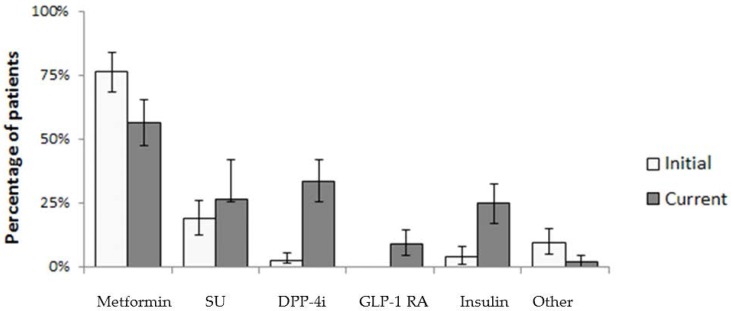
LTPA effect on the HbA1c reduction was present in diabetes type 1 patients. Patients who were involved in the moderate to vigorous-intensity physical activity had a greater decrease in the HbA1c (p = 0.048) than patients with low physical activity (p = 0.085). Level of LTPA was neither associated with increased number of hypoglycemic episodes, nor BMI. After an average of 4 years of diabetes, the number of patients requiring more than one antidiabetic agent increased, although the observed difference did not correlate with LTPA level.
LTPA has an influence on the regulation of diabetes type 1, and intensification of medical treatment is compensating for the lack of lifestyle change-especially in type 2 diabetics.
我们研究了休闲时间身体活动(LTPA)与1型糖尿病(T1DM)和2型糖尿病患者(T2DM)的血糖控制、体重指数(BMI)及低血糖事件之间的关联。
这是一项对198例糖尿病患者(60例1型糖尿病患者,138例2型糖尿病患者)的横断面研究。通过一份经验证的12个月调查问卷评估LTPA。患者被分为久坐不动组和中度至剧烈活动组。观察指标为糖化血红蛋白(HbA1c)、BMI和低血糖发作情况。
LTPA对1型糖尿病患者的HbA1c降低有影响。参与中度至剧烈强度身体活动的患者HbA1c下降幅度(p = 0.048)大于身体活动量低的患者(p = 0.085)。LTPA水平与低血糖发作次数增加及BMI均无关联。糖尿病平均病程4年后,需要一种以上抗糖尿病药物治疗的患者数量增加,尽管观察到的差异与LTPA水平无关。
LTPA对1型糖尿病的病情调控有影响,而强化药物治疗正在弥补生活方式改变不足的问题——尤其是在2型糖尿病患者中。