Faculty of Health Sciences, University of Macau, Macau, China.
Department of Bioengineering, University of California, Los Angeles, California, USA.
Int J Biol Sci. 2018 May 21;14(7):799-806. doi: 10.7150/ijbs.25928. eCollection 2018.
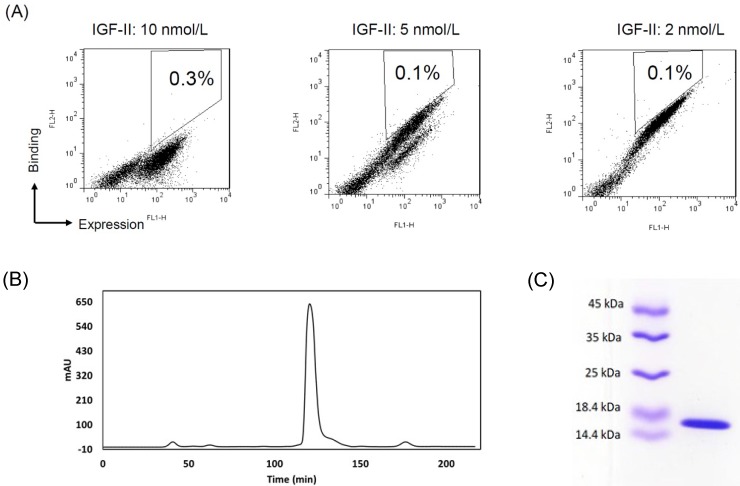
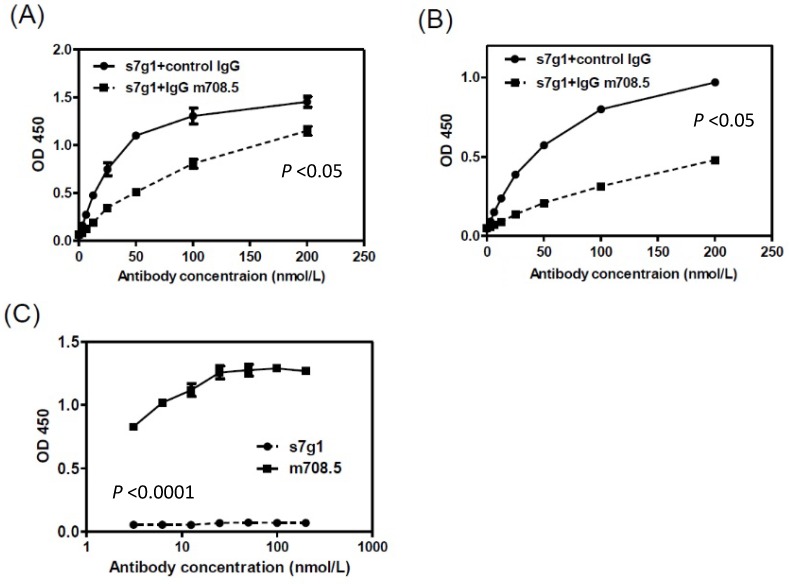
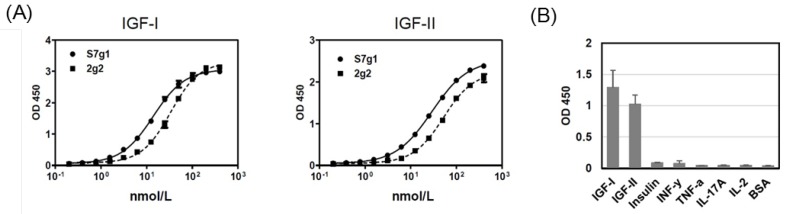
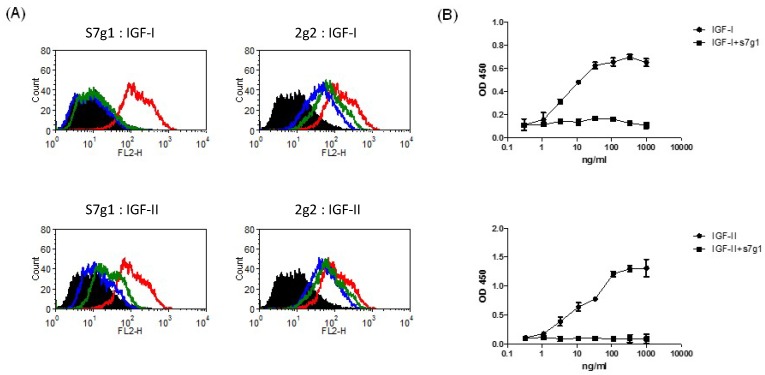
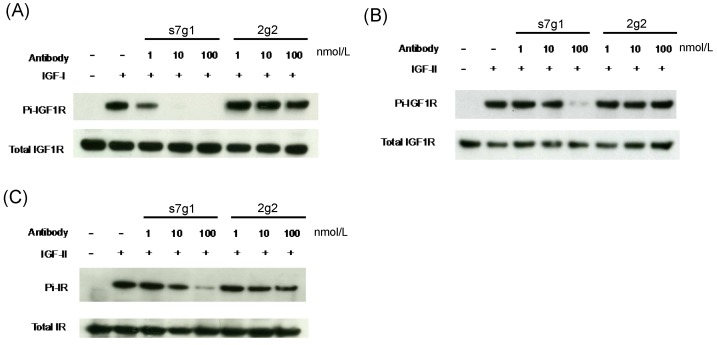
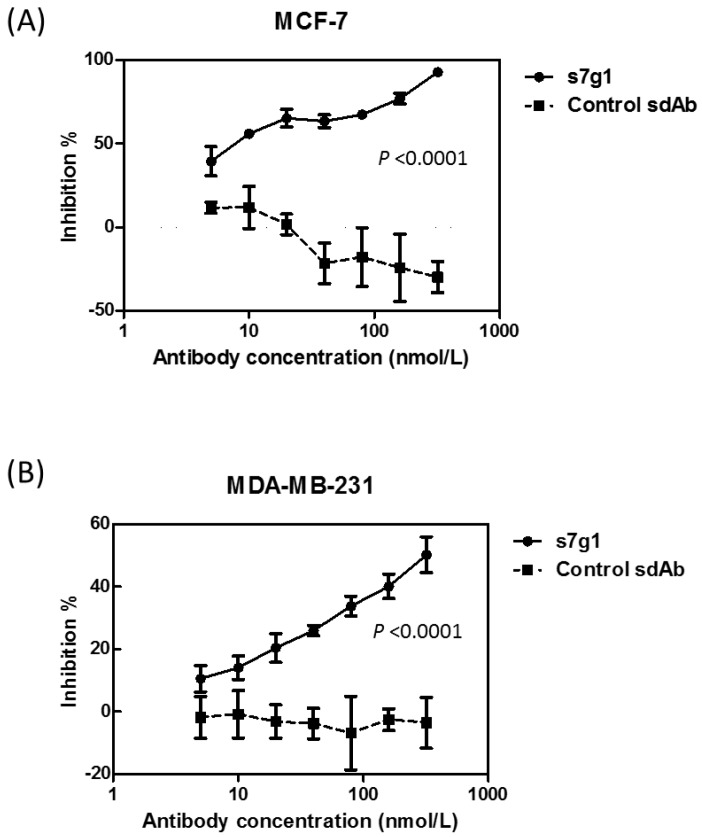
The insulin-like growth factors (IGFs), IGF-I and IGF-II, are essential for regulating cell growth, differentiation and metastasis of a broad range of malignancies. The IGF-I/II actions are mediated through the IGF receptor type 1 (IGF-1R) and the insulin receptor (IR), which are overexpressed in multiple types of tumors. Here, we have firstly identified a human engineered antibody domain (eAd) from a phage-displayed VH library. The eAd suppressed the signal transduction of IGF-1R mediated by exogenous IGF-I or IGF-II in breast cancer cell lines through neutralizing both IGF-I and IGF-II. It also significantly inhibited the growth of breast cancer cells. Therefore, the anti-IGF-I/II eAd offers an alternative approach to target both the IGF-1R signaling pathways through the inhibition of IGF-I/II.
胰岛素样生长因子 (IGFs),IGF-I 和 IGF-II,对于调节多种恶性肿瘤的细胞生长、分化和转移是必不可少的。IGF-I/II 的作用是通过 IGF 受体 1 型 (IGF-1R) 和胰岛素受体 (IR) 介导的,这两种受体在多种类型的肿瘤中过度表达。在这里,我们首次从噬菌体展示的 VH 文库中鉴定出一种人类工程抗体结构域 (eAd)。该 eAd 通过中和 IGF-I 和 IGF-II,抑制外源性 IGF-I 或 IGF-II 介导的 IGF-1R 信号转导,显著抑制乳腺癌细胞的生长。因此,抗 IGF-I/II eAd 提供了一种替代方法,通过抑制 IGF-I/II 来靶向 IGF-1R 信号通路。