Top Institute Food and Nutrition, Wageningen, the Netherlands.
Division of Medical Biology, Department of Pathology and Medical Biology, University of Groningen and University Medical Centre Groningen, 9713, GZ, Groningen, the Netherlands.
Biol Sex Differ. 2018 Jun 18;9(1):26. doi: 10.1186/s13293-018-0186-6.
A dysbiosis in the intestinal microbiome plays a role in the pathogenesis of several immunological diseases. These diseases often show a sex bias, suggesting sex differences in immune responses and in the intestinal microbiome. We hypothesized that sex differences in immune responses are associated with sex differences in microbiota composition.
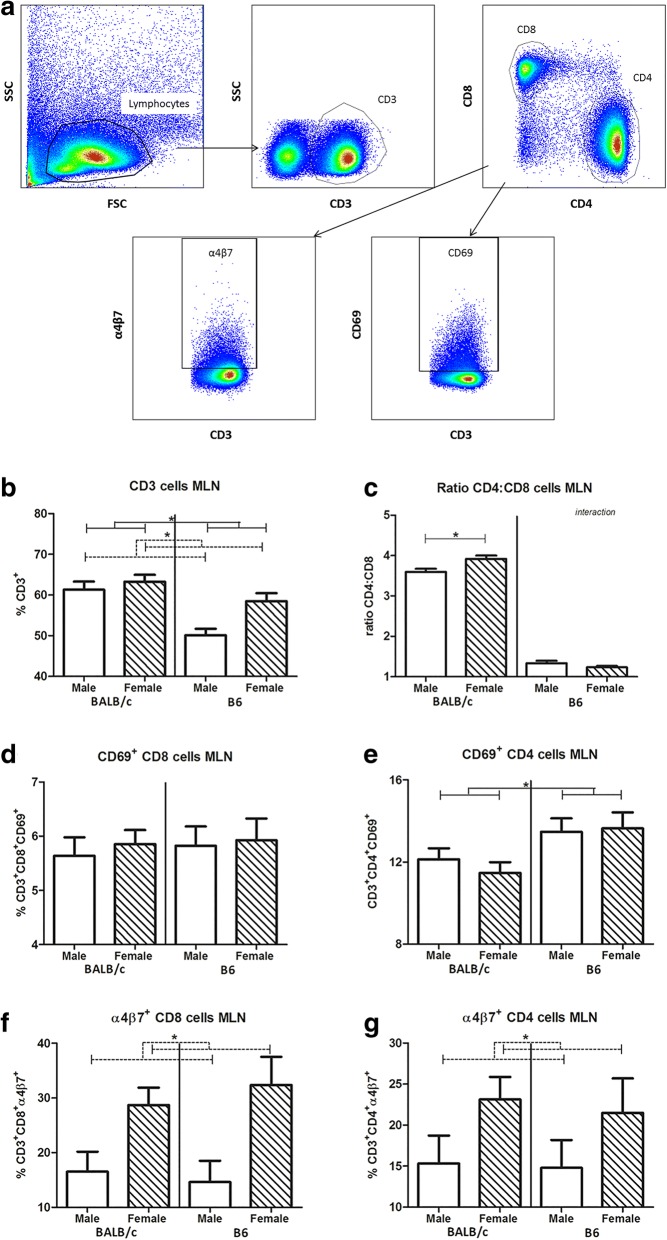
Fecal microbiota composition (MITchip), mRNA expression in intestinal tissue (microarray), and immune cell populations in mesenteric lymph nodes (MLNs) were studied in male and female mice of two mouse strains (C57B1/6OlaHsd and Balb/cOlaHsd). Transcriptomics and microbiota data were combined to identify bacterial species which may potentially be related to sex-specific differences in intestinal immune related genes.
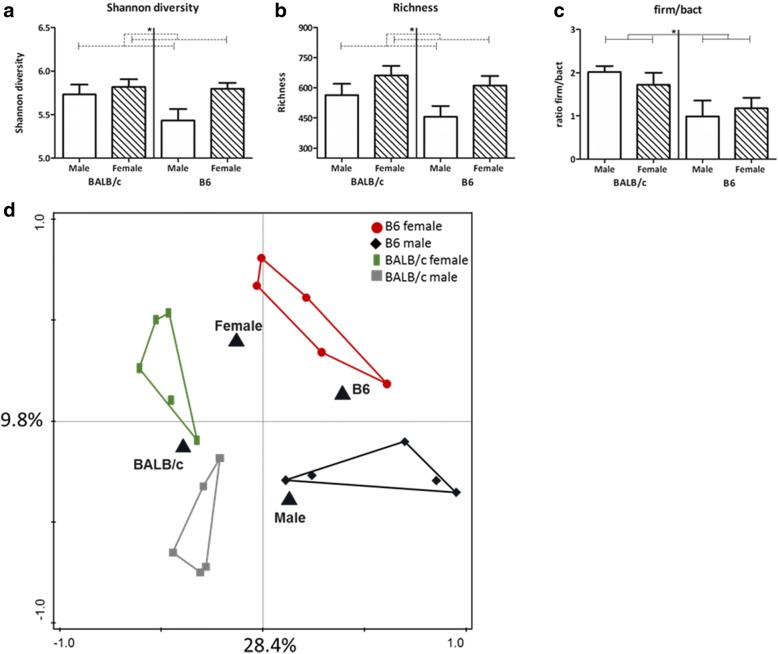
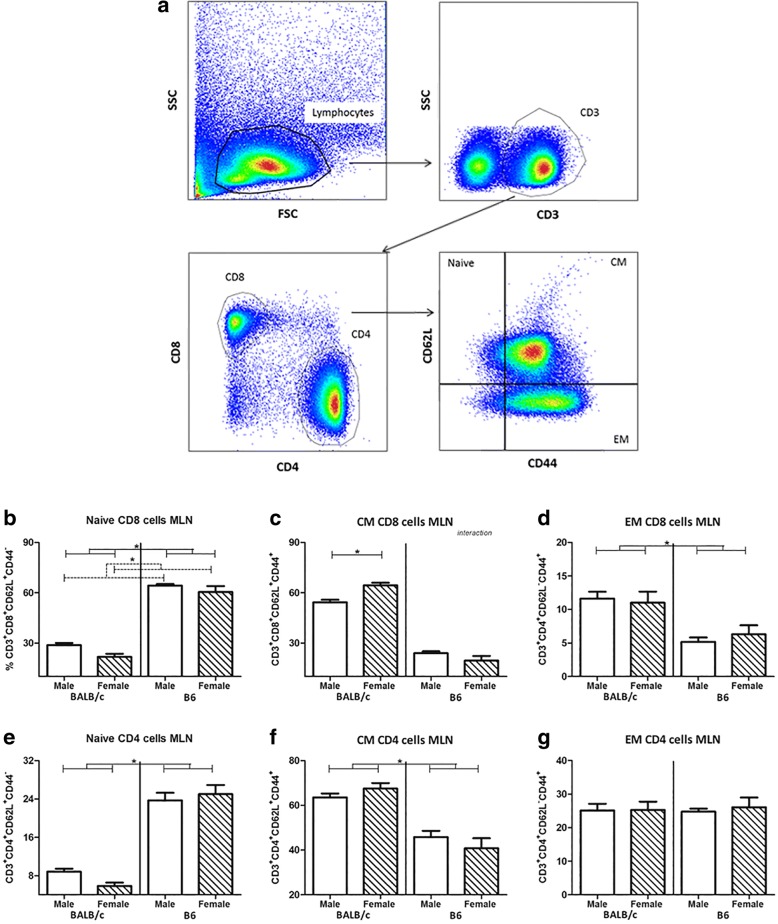
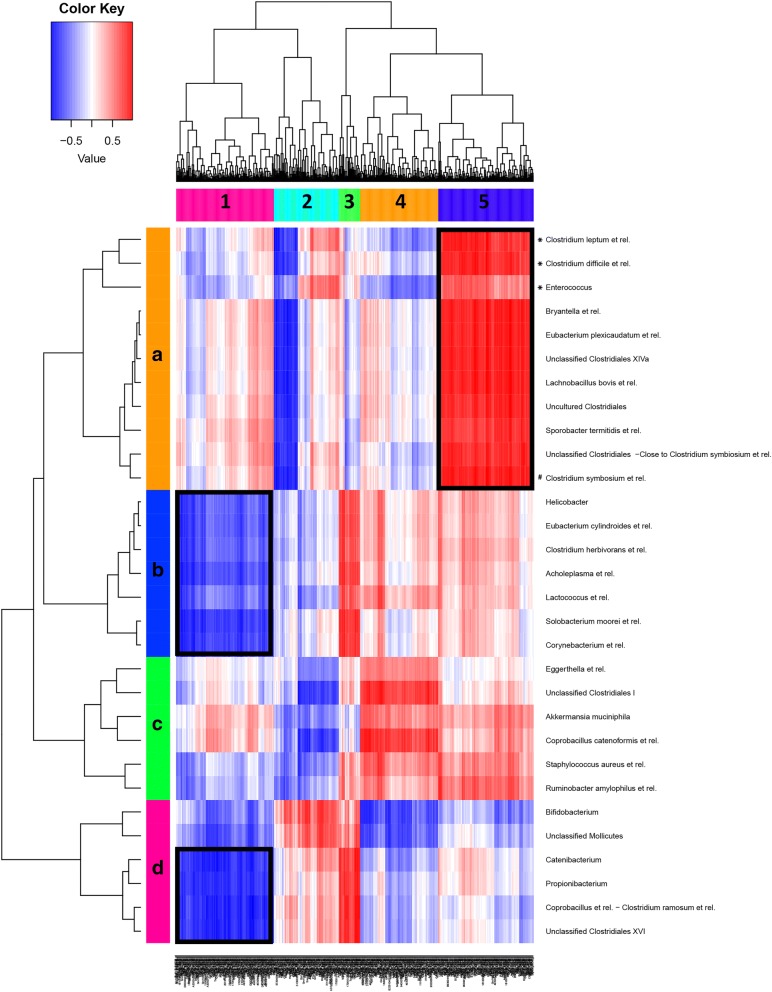
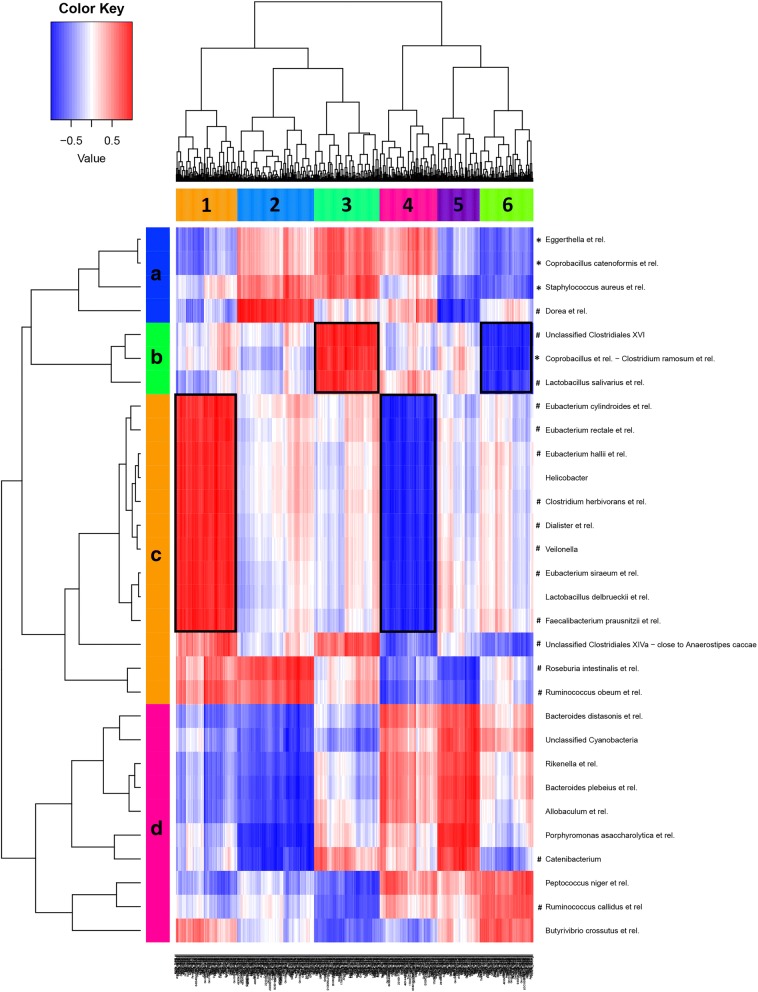
We found clear sex differences in intestinal microbiota species, diversity, and richness in healthy mice. However, the nature of the sex effects appeared to be determined by the mouse strain as different bacterial species were enriched in males and females of the two strains. For example, Lactobacillus plantarum and Bacteroides distasonis were enriched in B6 females as compared to B6 males, while Bifidobacterium was enriched BALB/c females as compared to BALB/c males. The strain-dependent sex effects were also observed in the expression of immunological genes in the colon. We found that the abundance of various bacteria (e.g., Clostridium leptum et rel.) which were enriched in B6 females positively correlated with the expression of several genes (e.g., Il-2rb, Ccr3, and Cd80) which could be related to immunological functions, such as inflammatory responses and migration of leukocytes. The abundance of several bacteria (e.g., Faecalibacterium prausnitzii et rel. and Coprobacillus et rel.- Clostridium ramosum et rel.) which were enriched in BALB/c males positively correlated to the expression of several genes (e.g., Apoe, Il-1b, and Stat4) related to several immunological functions, such as proliferation and quantity of lymphocytes. The net result was the same, since both mouse strains showed similar sex induced differences in immune cell populations in the MLNs.
Our data suggests a correlation between microbiota and intestinal immune populations in a sex and strain-specific way. These findings may contribute to the development of more sex and genetic specific treatments for intestinal-related disorders.
肠道微生物组的失调在几种免疫性疾病的发病机制中起作用。这些疾病通常表现出性别偏向,表明免疫反应和肠道微生物组存在性别差异。我们假设免疫反应的性别差异与微生物组组成的性别差异有关。
研究了两种小鼠品系(C57B1/6OlaHsd 和 Balb/cOlaHsd)雄性和雌性小鼠的粪便微生物组组成(MITchip)、肠道组织中的 mRNA 表达(微阵列)和肠系膜淋巴结(MLN)中的免疫细胞群体。将转录组学和微生物组数据相结合,以鉴定可能与肠道免疫相关基因的性别特异性差异相关的细菌种类。
我们发现健康小鼠的肠道微生物种类、多样性和丰富度存在明显的性别差异。然而,性效应的性质似乎取决于小鼠品系,因为两种品系的雄性和雌性小鼠中富集了不同的细菌种类。例如,与 B6 雄性相比,植物乳杆菌和拟杆菌 distasonis 在 B6 雌性中富集,而双歧杆菌在 BALB/c 雌性中富集,而不是 BALB/c 雄性。这种依赖于品系的性别效应也存在于结肠中免疫基因的表达中。我们发现,各种细菌(例如 Clostridium leptum et rel.)的丰度,这些细菌在 B6 雌性中富集,与几个可能与免疫功能相关的基因(例如 Il-2rb、Ccr3 和 Cd80)的表达呈正相关,如炎症反应和白细胞迁移。几种细菌(例如 Faecalibacterium prausnitzii et rel. 和 Coprobacillus et rel.-Clostridium ramosum et rel.)的丰度在 BALB/c 雄性中富集,与几个与几个免疫功能相关的基因(例如 Apoe、Il-1b 和 Stat4)的表达呈正相关,如淋巴细胞的增殖和数量。结果是相同的,因为两种小鼠品系都表现出类似的性别诱导的 MLN 中免疫细胞群体差异。
我们的数据表明,微生物组和肠道免疫群体之间存在一种性别和品系特异性的相关性。这些发现可能有助于开发更具性别和遗传特异性的肠道相关疾病治疗方法。