Department of Ophthalmology, Massachusetts Eye and Ear, Harvard Medical School, Boston, Massachusetts, USA.
Department of Chemistry and Biochemistry, University of Oklahoma, Norman, Oklahoma, USA.
mSphere. 2018 Jun 20;3(3). doi: 10.1128/mSphere.00105-18. Print 2018 Jun 27.
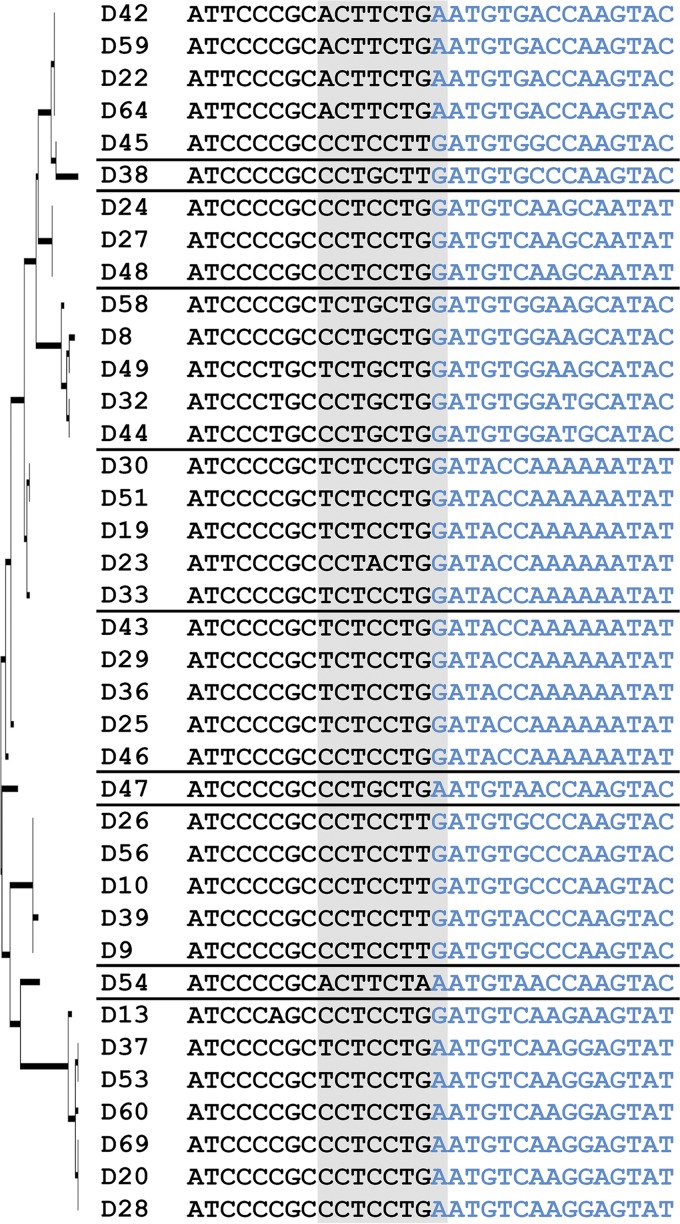
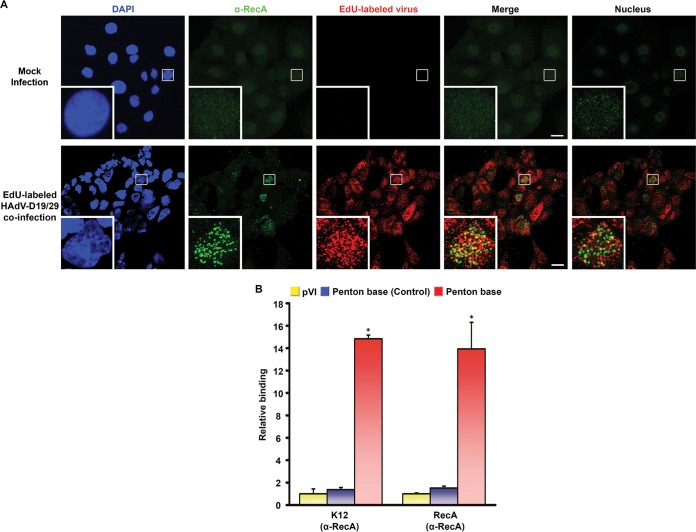
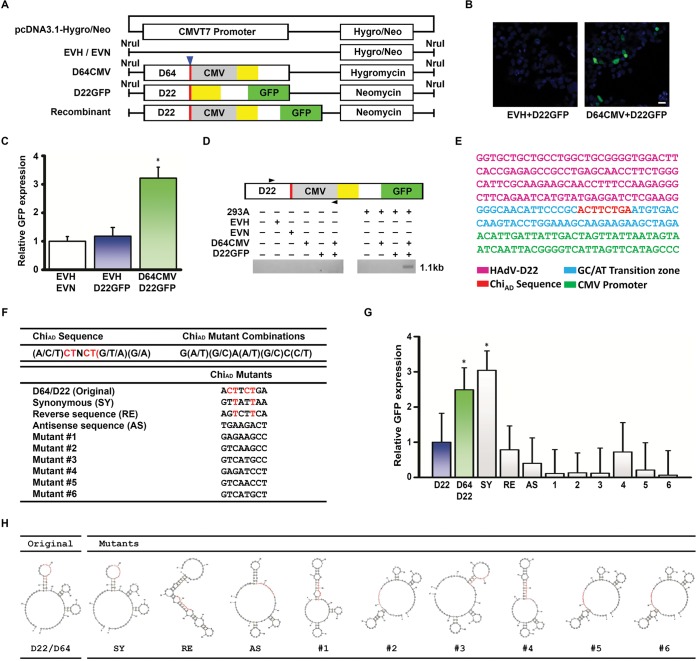
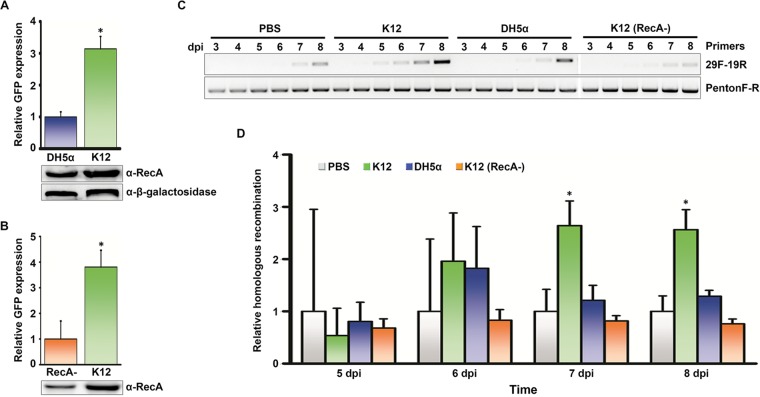
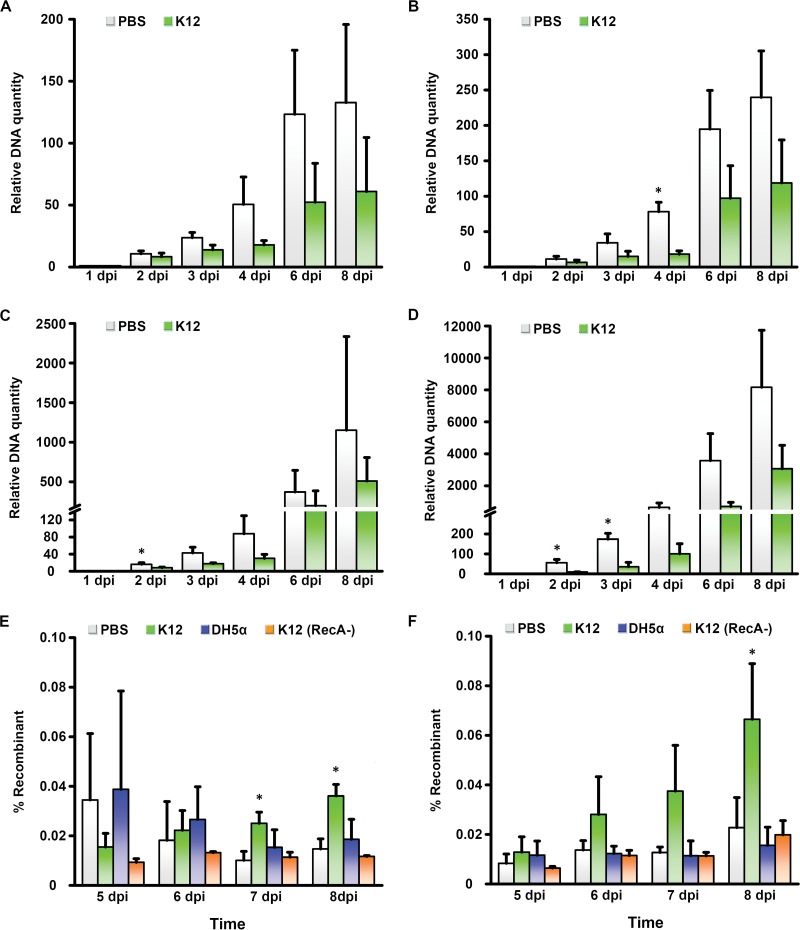
Adenovirus infections in humans are common and sometimes lethal. Adenovirus-derived vectors are also commonly chosen for gene therapy in human clinical trials. We have shown in previous work that homologous recombination between adenoviral genomes of human adenovirus species D (HAdV-D), the largest and fastest growing HAdV species, is responsible for the rapid evolution of this species. Because adenovirus infection initiates in mucosal epithelia, particularly at the gastrointestinal, respiratory, genitourinary, and ocular surfaces, we sought to determine a possible role for mucosal microbiota in adenovirus genome diversity. By analysis of known recombination hot spots across 38 human adenovirus genomes in species D (HAdV-D), we identified nucleotide sequence motifs similar to bacterial Chi sequences, which facilitate homologous recombination in the presence of bacterial Rec enzymes. These motifs, referred to here as Chi, were identified immediately 5' to the sequence encoding penton base hypervariable loop 2, which expresses the arginine-glycine-aspartate moiety critical to adenoviral cellular entry. Coinfection with two HAdV-Ds in the presence of an lysate increased recombination; this was blocked in a RecA mutant strain, DH5α, or upon RecA depletion. Recombination increased in the presence of lysate despite a general reduction in viral replication. RecA colocalized with viral DNA in HAdV-D-infected cell nuclei and was shown to bind specifically to Chi sequences. These results indicate that adenoviruses may repurpose bacterial recombination machinery, a sharing of evolutionary mechanisms across a diverse microbiota, and unique example of viral commensalism. Adenoviruses are common human mucosal pathogens of the gastrointestinal, respiratory, and genitourinary tracts and ocular surface. Here, we report finding Chi-like sequences in adenovirus recombination hot spots. Adenovirus coinfection in the presence of bacterial RecA protein facilitated homologous recombination between viruses. Genetic recombination led to evolution of an important external feature on the adenoviral capsid, namely, the penton base protein hypervariable loop 2, which contains the arginine-glycine-aspartic acid motif critical to viral internalization. We speculate that free Rec proteins present in gastrointestinal secretions upon bacterial cell death facilitate the evolution of human adenoviruses through homologous recombination, an example of viral commensalism and the complexity of virus-host interactions, including regional microbiota.
人类腺病毒感染很常见,有时甚至是致命的。腺病毒衍生载体也常用于人类临床试验中的基因治疗。我们之前的研究表明,人类腺病毒 D 型(HAdV-D)的腺病毒基因组之间的同源重组是该病毒快速进化的原因。由于腺病毒感染起始于粘膜上皮细胞,特别是胃肠道、呼吸道、泌尿生殖道和眼部表面,我们试图确定粘膜微生物群在腺病毒基因组多样性中可能发挥的作用。通过分析 D 型 38 种人类腺病毒基因组中的已知重组热点,我们在编码五邻体基底超变环 2 的序列之前立即识别出类似于细菌 Chi 序列的核苷酸序列基序,这有助于在存在细菌 Rec 酶的情况下进行同源重组。这些基序在这里被称为 Chi,被鉴定为编码五邻体基底超变环 2 的序列 5'端,该序列表达了对腺病毒细胞进入至关重要的精氨酸-甘氨酸-天冬氨酸部分。在存在 裂解物的情况下,两种 HAdV-D 的共感染会增加重组;这在 RecA 突变株 DH5α 或 RecA 耗尽的情况下被阻断。尽管病毒复制普遍减少,但裂解物的存在增加了重组。RecA 在 HAdV-D 感染的细胞核内与病毒 DNA 共定位,并被证明特异性结合 Chi 序列。这些结果表明,腺病毒可能会重新利用细菌重组机制,在多样化的微生物群中共享进化机制,这是病毒共生的独特例子。腺病毒是胃肠道、呼吸道和泌尿生殖道以及眼部表面常见的人类粘膜病原体。在这里,我们报告在腺病毒重组热点中发现 Chi 样序列。在存在细菌 RecA 蛋白的情况下,腺病毒的共感染促进了病毒之间的同源重组。遗传重组导致腺病毒衣壳上一个重要的外部特征进化,即五邻体基底蛋白超变环 2,其中包含对病毒内化至关重要的精氨酸-甘氨酸-天冬氨酸基序。我们推测,细菌细胞死亡时胃肠道分泌物中存在的游离 Rec 蛋白通过同源重组促进了人类腺病毒的进化,这是病毒共生的一个例子,也是病毒-宿主相互作用的复杂性的一个例子,包括区域微生物群。