School of Marine Science and Technology, Harbin Institute of Technology at Weihai, Weihai, China.
Tobacco Integrated Pest Management of China Tobacco, Tobacco Research Institute of Chinese Academy of Agricultural Science, Qingdao, China.
Microbiologyopen. 2019 Mar;8(3):e00657. doi: 10.1002/mbo3.657. Epub 2018 Jun 21.
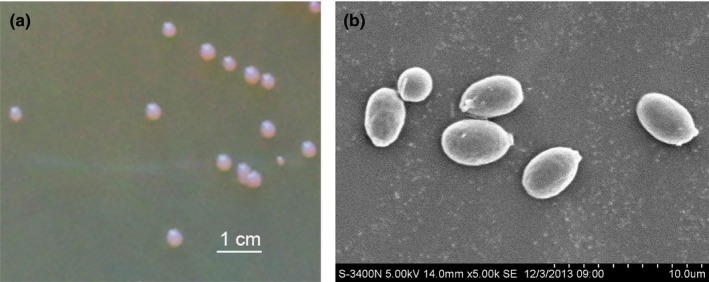
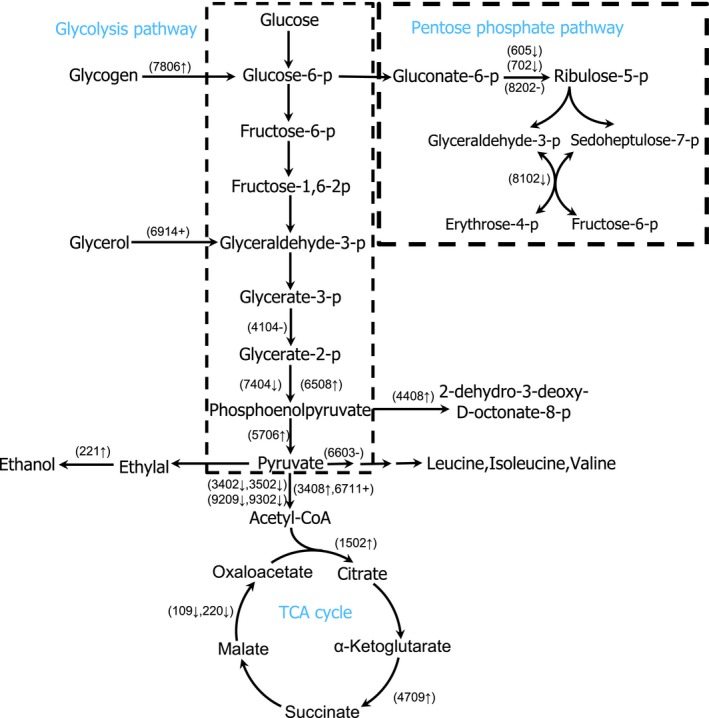
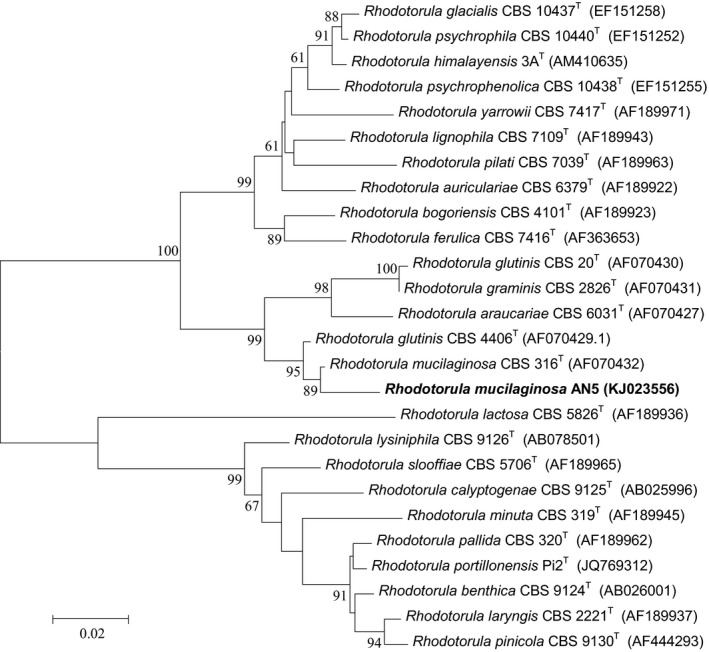
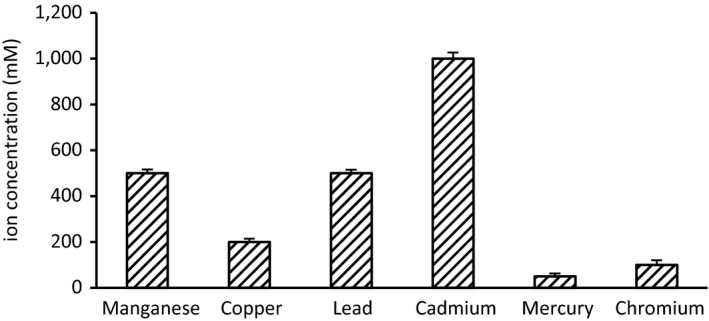
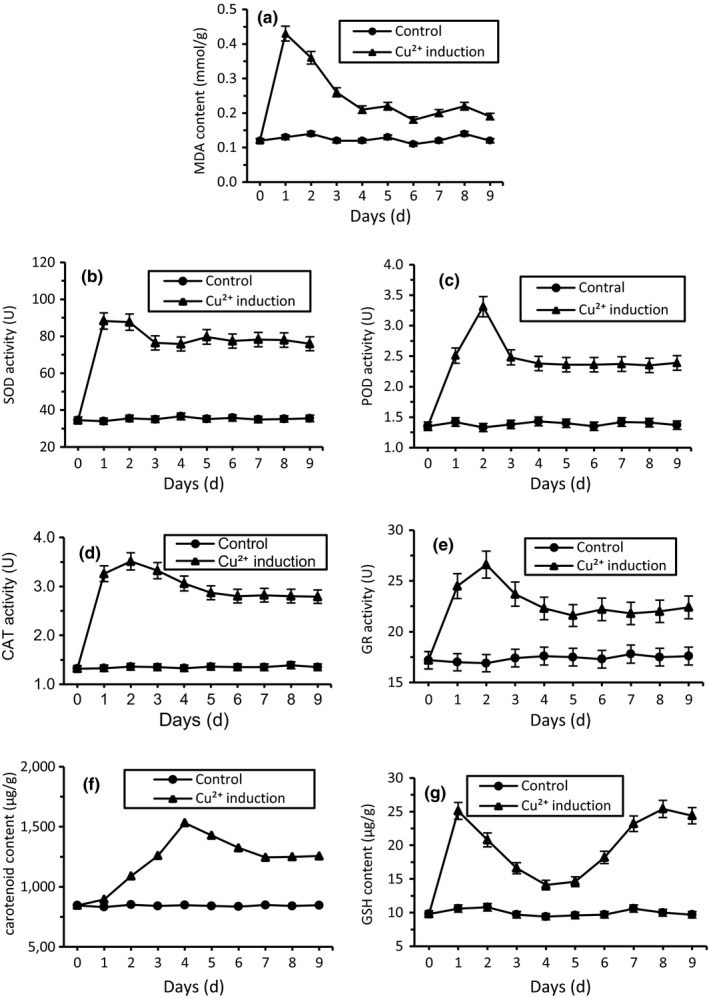
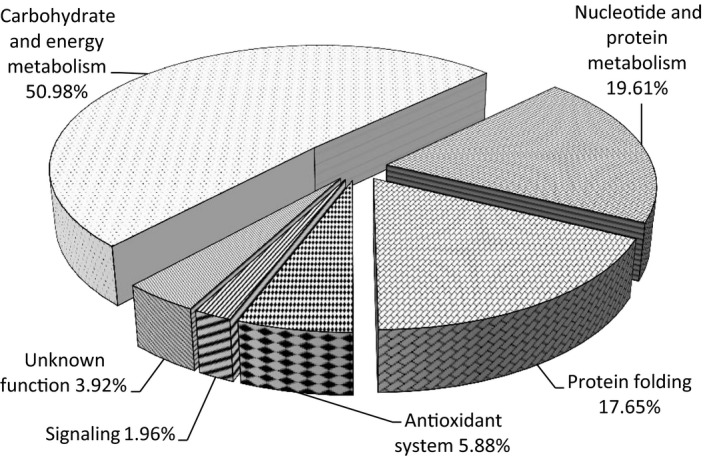
Heavy metal pollution in Antarctic is serious by anthropogenic emissions and atmospheric transport. To dissect the heavy metal adaptation mechanisms of sea-ice organisms, a basidiomycetous yeast strain AN5 was isolated and its cellular changes were analyzed. Morphological, physiological, and biochemical characterization indicated that this yeast strain belonged to Rhodotorula mucilaginosa AN5. Heavy metal resistance pattern of Cd > Pb = Mn > Cu > Cr > Hg was observed. Scanning electron microscopic (SEM) results exhibited altered cell surface morphology under the influence of copper metal compared to that with control. The determination of physiological and biochemical changes manifested that progressive copper treatment significantly increased antioxidative reagents content and enzymes activity in the red yeast, which quench the active oxygen species to maintain the intercellular balance of redox state and ensure the cellular fission and growth. Comparative proteomic analysis revealed that, under 2 mM copper stress, 95 protein spots were tested reproducible changes of at least 10-fold in cells. Among 95 protein spots, 43 were elevated and 52 were decreased synthesis. After MALDI TOF MS/MS analysis, 51 differentially expressed proteins were identified successfully and classified into six functional groups, including carbohydrate and energy metabolism, nucleotide and protein metabolism, protein folding, antioxidant system, signaling, and unknown function proteins. Function analysis indicated that carbohydrate and energy metabolism-, nucleotide and protein metabolism-, and protein folding-related proteins played central role to the heavy metal resistance of Antarctic yeast. Generally, the results revealed that the yeast has a great capability to cope with heavy metal stress and activate the physiological and protein mechanisms, which allow more efficient recovery after copper stress. Our studies increase understanding of the molecular resistance mechanism of polar yeast to heavy metal, which will be benefitted for the sea-ice isolates to be a potential candidate for bioremediation of metal-contaminated environments.
人为排放和大气传输导致南极重金属污染严重。为了剖析海冰生物对重金属的适应机制,我们分离了一株担子菌酵母 AN5,并分析了其细胞变化。形态学、生理学和生物化学特征表明,该酵母菌株属于粘红酵母 AN5。实验发现该菌株对 Cd> Pb=Mn>Cu>Cr>Hg 表现出不同的重金属抗性模式。扫描电子显微镜(SEM)结果表明,与对照组相比,铜金属的影响改变了细胞表面形态。生理生化变化的测定表明,随着铜处理的进行,抗氧化剂含量和酶活性显著增加,这有助于清除活性氧物质,维持细胞内氧化还原状态的平衡,保证细胞分裂和生长。比较蛋白质组学分析显示,在 2mM 铜胁迫下,95 个蛋白点的表达至少有 10 倍的变化。在 95 个蛋白点中,有 43 个蛋白点的表达上调,52 个蛋白点的表达下调。经过 MALDI-TOF MS/MS 分析,成功鉴定出 51 个差异表达蛋白,并将其分为 6 个功能组,包括碳水化合物和能量代谢、核苷酸和蛋白质代谢、蛋白质折叠、抗氧化系统、信号转导和未知功能蛋白。功能分析表明,碳水化合物和能量代谢、核苷酸和蛋白质代谢以及蛋白质折叠相关蛋白在南极酵母对重金属的抗性中起着核心作用。总的来说,这些结果表明,该酵母具有很强的应对重金属胁迫的能力,并激活了生理和蛋白质机制,使其在铜胁迫后能够更有效地恢复。我们的研究增加了对极地酵母耐重金属分子机制的理解,这将有利于海冰分离物成为受污染环境生物修复的潜在候选物。