Cheng Jingjing, Wang Jincheng, Ma Xiaolin, Ullah Rahim, Shen Yi, Zhou Yu-Dong
Department of Neurobiology, Key Laboratory of Medical Neurobiology of Ministry of Health, Zhejiang Province Key Laboratory of Neurobiology, Zhejiang University School of Medicine, Hangzhou, China.
Department of Endocrinology, Children's Hospital, Zhejiang University School of Medicine, Hangzhou, China.
Front Mol Neurosci. 2018 Jun 7;11:202. doi: 10.3389/fnmol.2018.00202. eCollection 2018.
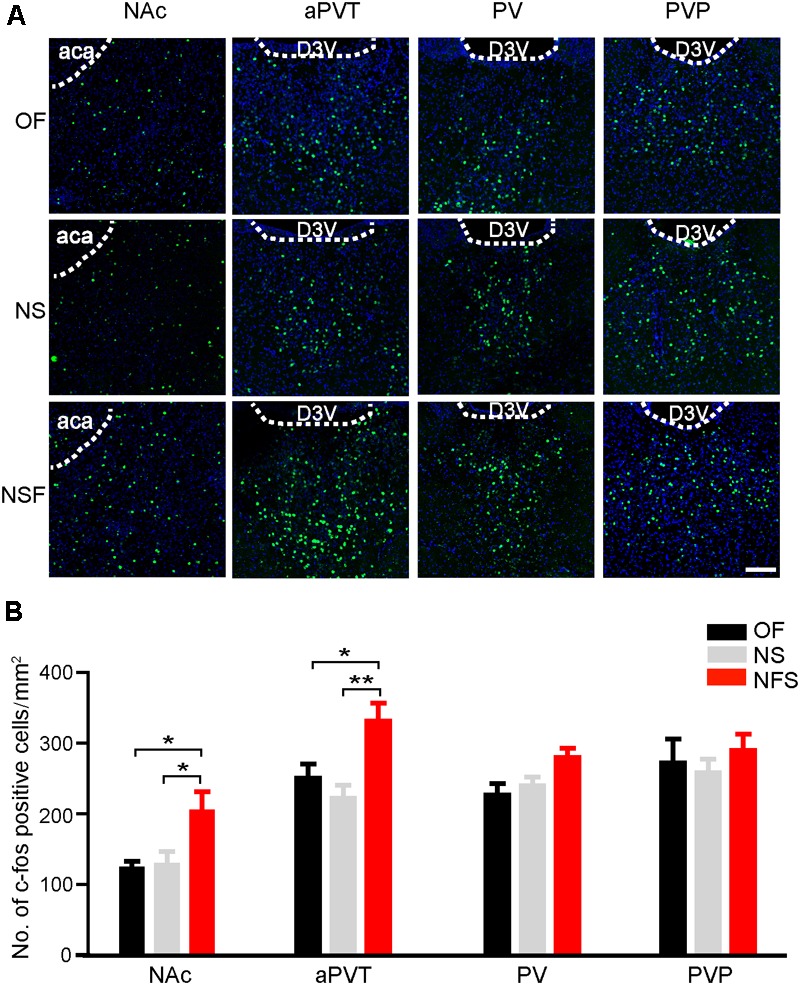
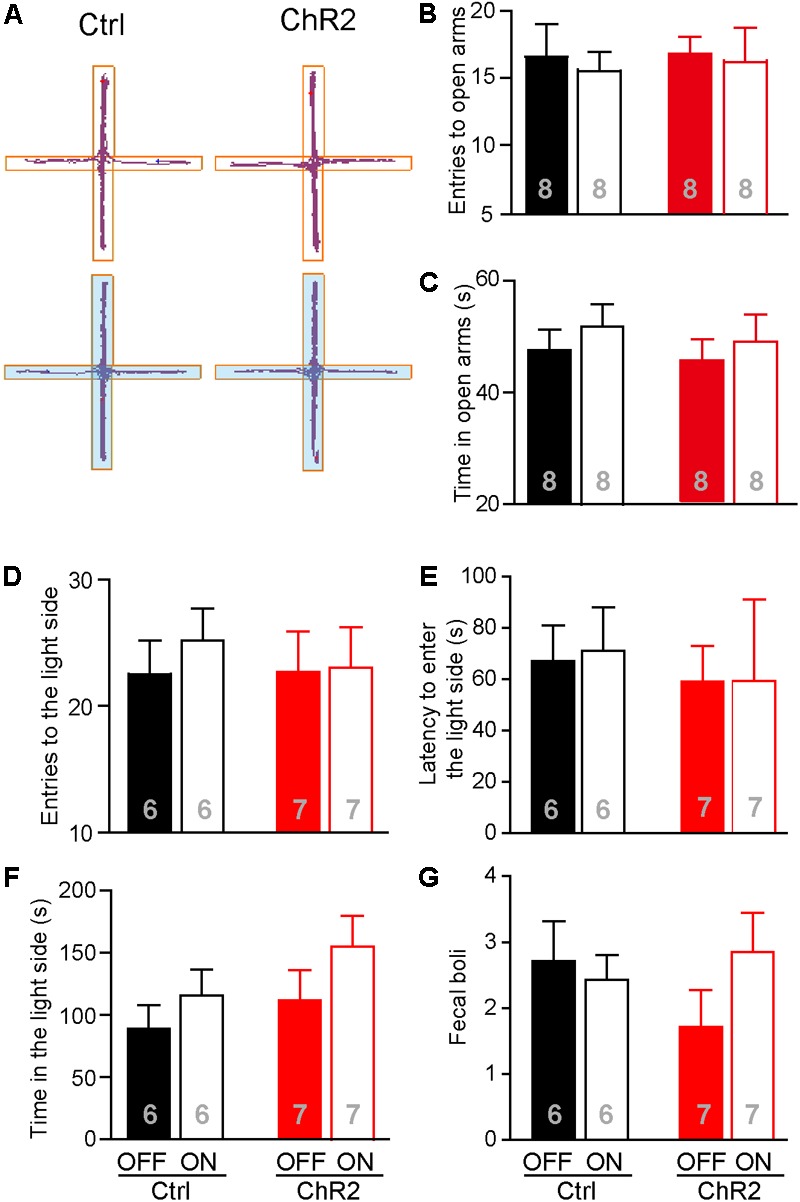
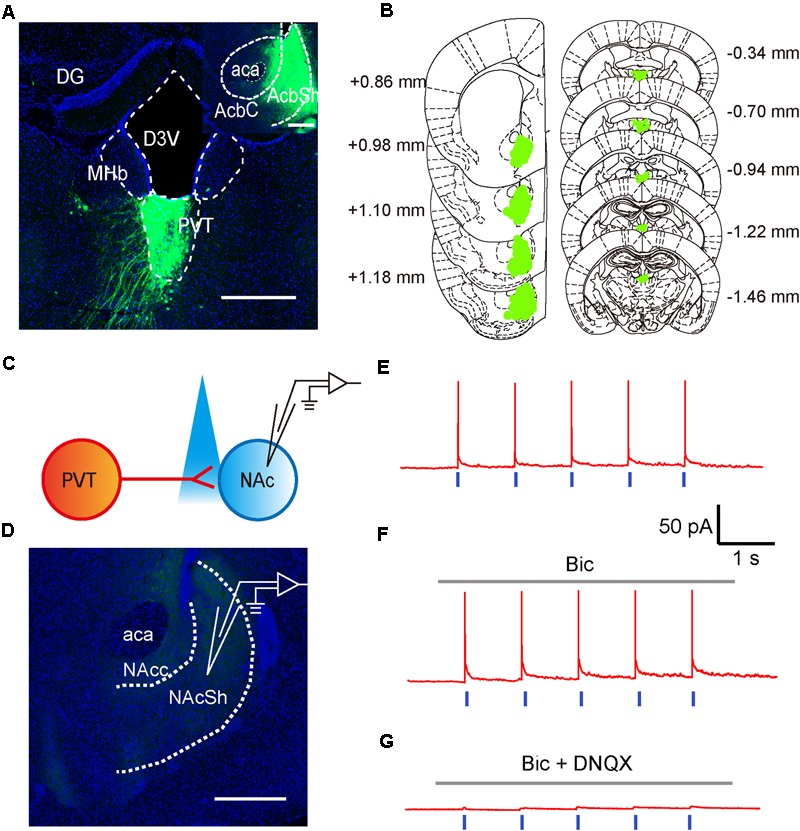
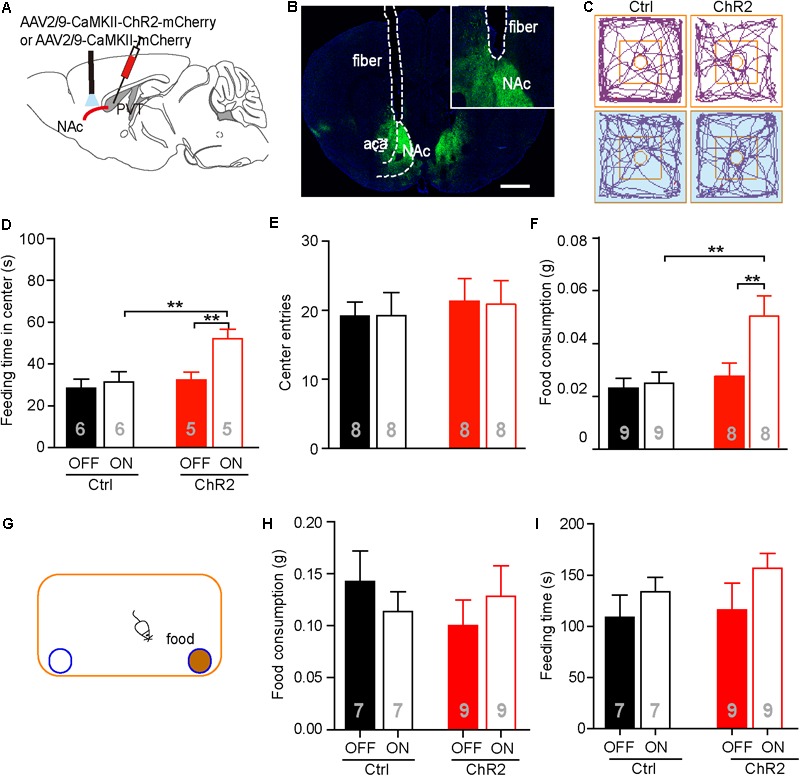
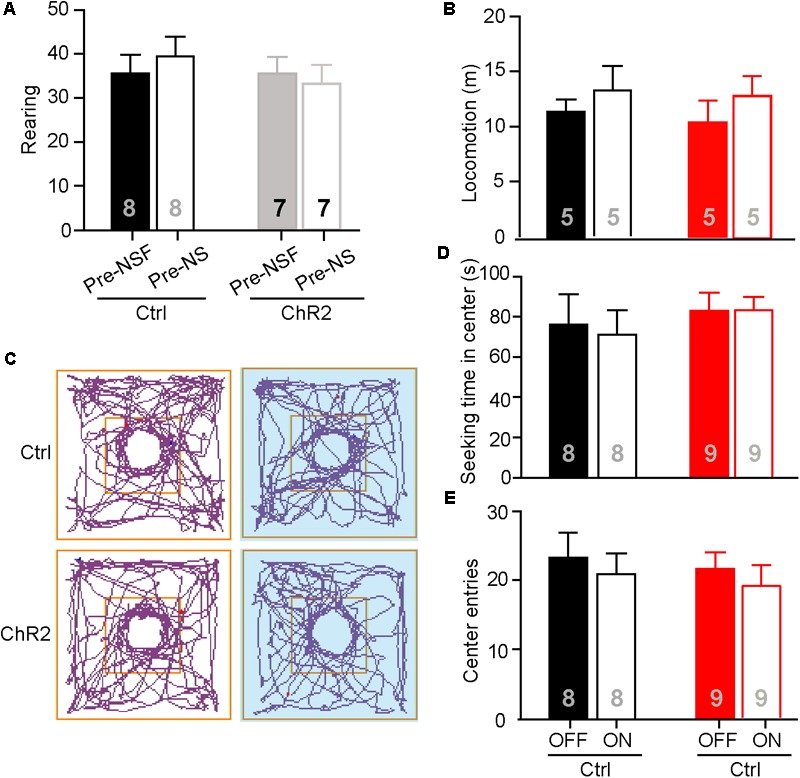
Foraging food in a novel environment is essential for survival. Animals coordinate the complex motivated states and decide whether to initiate feeding or escape from unfamiliar scenes. Neurons in the paraventricular thalamic nucleus (PVT) receive multiple inputs from the hypothalamus, forebrain, and caudal brainstem that are known to regulate feeding behavior. The PVT neurons also project to the forebrain regions that are involved in reward and motivation. Notably, the PVT neurons projecting to the nucleus accumbens (NAc) are activated when an incentive stimulus is presented. Optogenetic activation of the PVT-NAc path has been shown to increase the motivation for sucrose-seeking in instrumental tasks. However, how the PVT circuitry regulates the feeding behavior in a novel environment remains largely obscure. In the present study, we found that the activity of glutamatergic neurons in the anterior PVT (aPVT) projecting to the NAc dictates the novelty-suppressed feeding behavior in mice. Optogenetic activation of the aPVT-NAc projection increased the feeding time and food consumption in mice under a moderate food restriction in a novel open field where the food was placed in the central area. The exploratory and anxiety-like behaviors, however, were not altered by the aPVT-NAc activation. Our work reveals that activation of the aPVT-NAc pathway in mice generates a motivation to consume food in a novel environment.
在新环境中觅食对生存至关重要。动物协调复杂的动机状态,并决定是开始进食还是逃离陌生场景。丘脑室旁核(PVT)中的神经元接收来自下丘脑、前脑和脑桥尾端的多种输入,这些已知可调节进食行为。PVT神经元也投射到参与奖赏和动机的前脑区域。值得注意的是,当呈现激励刺激时,投射到伏隔核(NAc)的PVT神经元会被激活。PVT-NAc通路的光遗传学激活已被证明可增加工具性任务中对蔗糖寻求的动机。然而,PVT神经回路如何在新环境中调节进食行为在很大程度上仍不清楚。在本研究中,我们发现投射到NAc的前PVT(aPVT)中谷氨酸能神经元的活动决定了小鼠新奇抑制的进食行为。在新的开放场地中,食物放置在中央区域,在适度食物限制下,aPVT-NAc投射的光遗传学激活增加了小鼠的进食时间和食物消耗量。然而,探索和焦虑样行为并未因aPVT-NAc激活而改变。我们的研究揭示,小鼠中aPVT-NAc通路的激活会产生在新环境中进食的动机。