Zhang Yongrong, Li Shan, Yang Zhiyong, Shi Lianfa, Yu Hua, Salerno-Goncalves Rosangela, Saint Fleur Ashley, Feng Hanping
Department of Microbial Pathogenesis, School of Dentistry, University of Maryland, Baltimore, Maryland.
Department of Pediatrics and Center for Vaccine Development, School of Medicine, University of Maryland, Baltimore, Maryland.
Cell Mol Gastroenterol Hepatol. 2018 Feb 9;5(4):611-625. doi: 10.1016/j.jcmgh.2018.01.022. eCollection 2018.
BACKGROUND & AIMS: toxin A (TcdA) and toxin toxin B (TcdB), the major virulence factors of the bacterium, cause intestinal tissue damage and inflammation. Although the 2 toxins are homologous and share a similar domain structure, TcdA is generally more inflammatory whereas TcdB is more cytotoxic. The functional domain of the toxins that govern the proinflammatory activities of the 2 toxins is unknown.
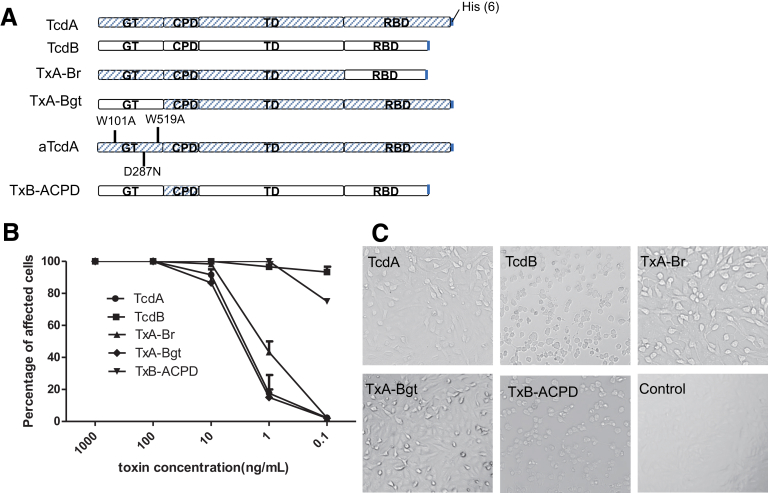
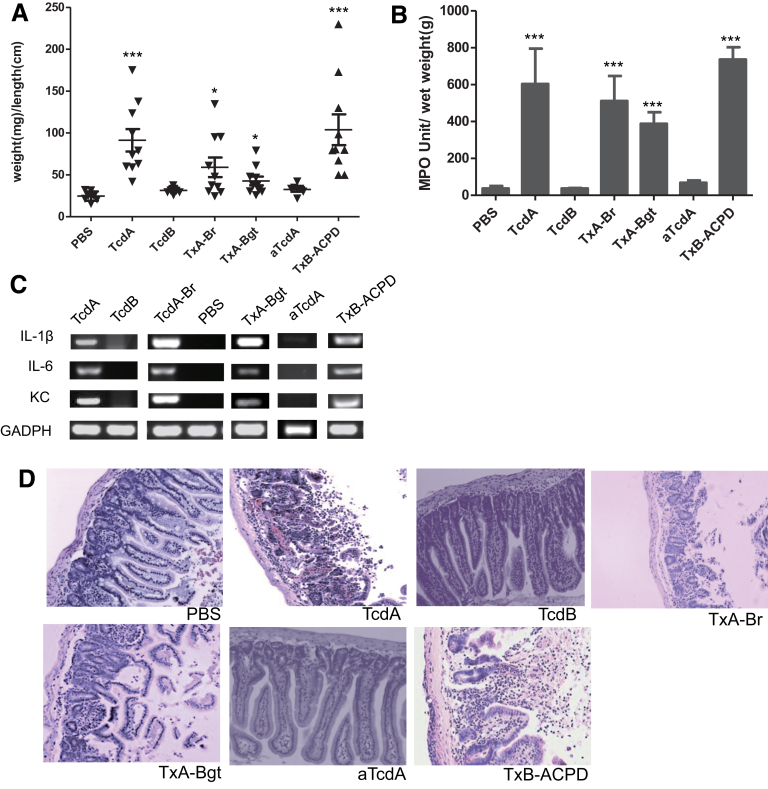
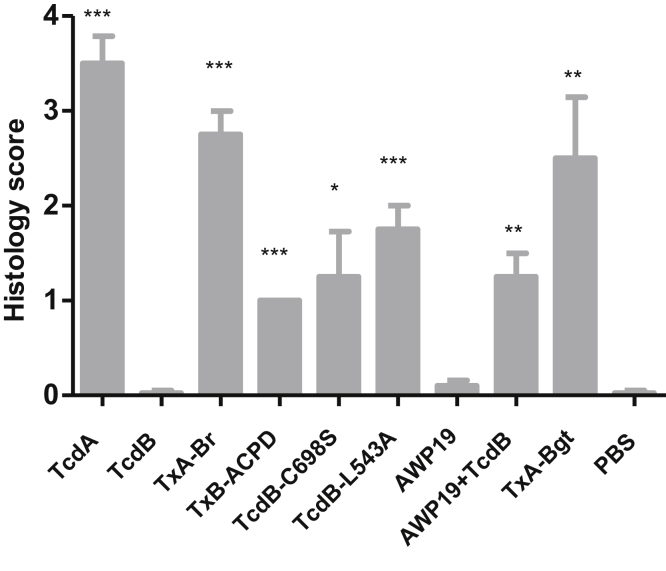
Here, we investigated toxin domain functions that regulate the proinflammatory activity of toxins. By using a mouse ilea loop model, human tissues, and immune cells, we examined the inflammatory responses to a series of chimeric toxins or toxin mutants deficient in specific domain functions.
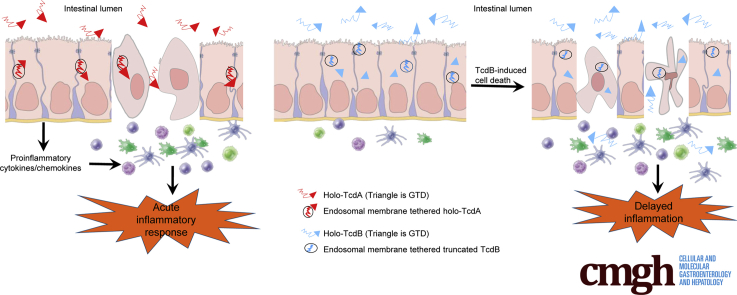
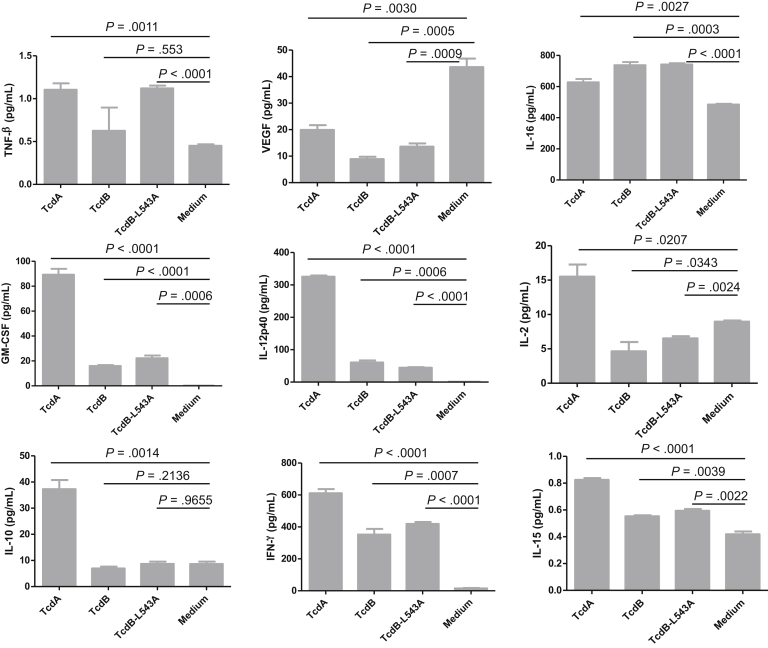
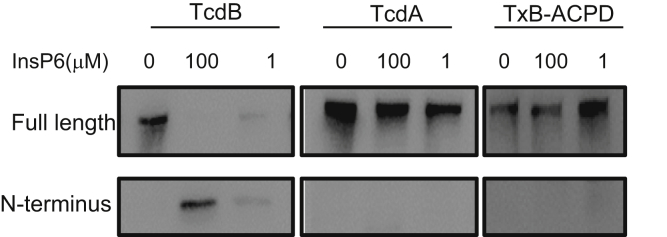
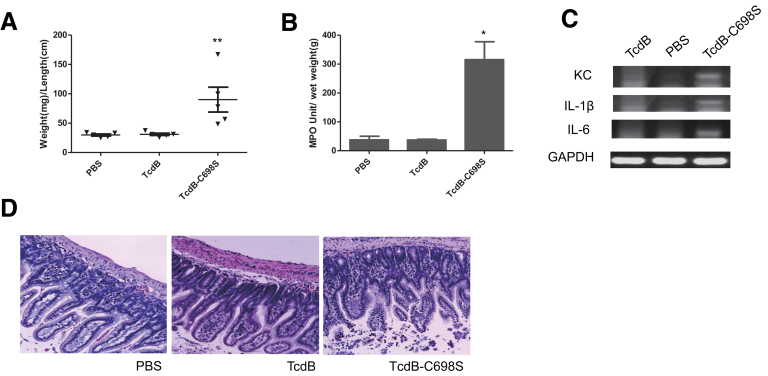
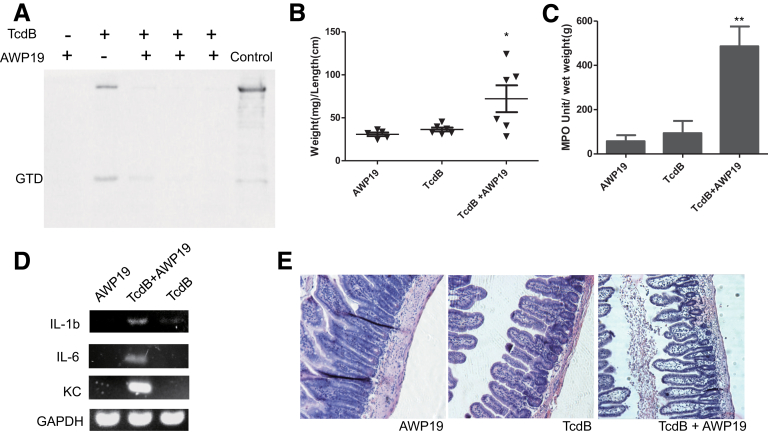
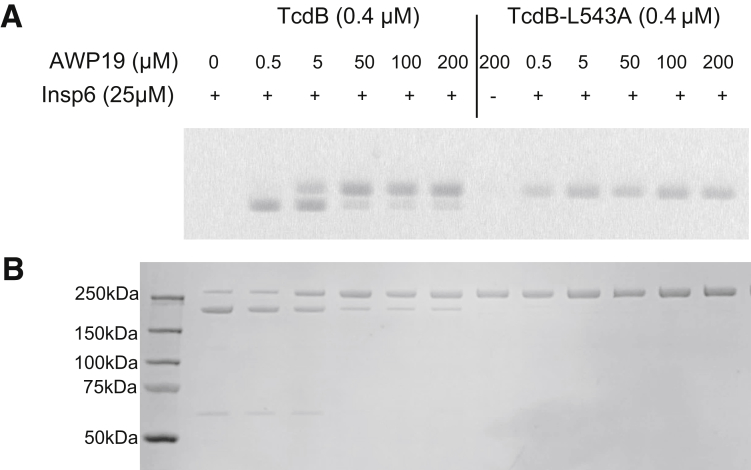
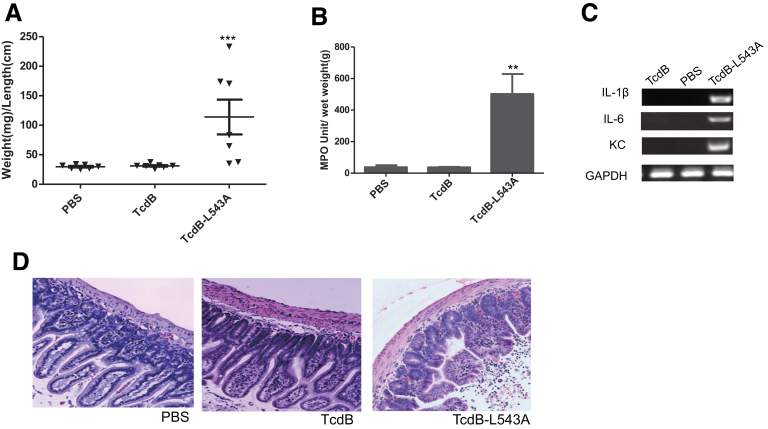
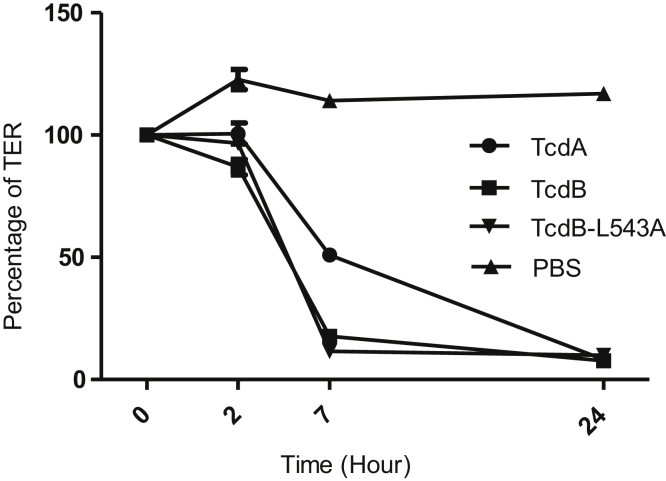
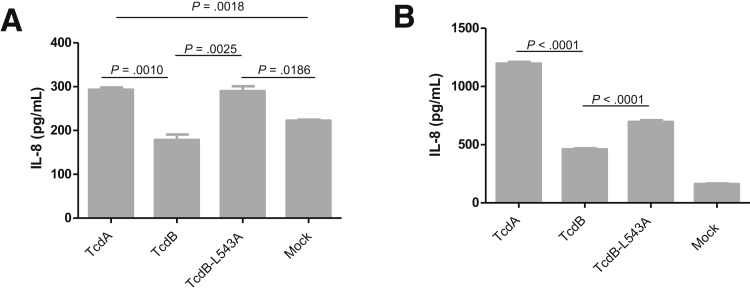
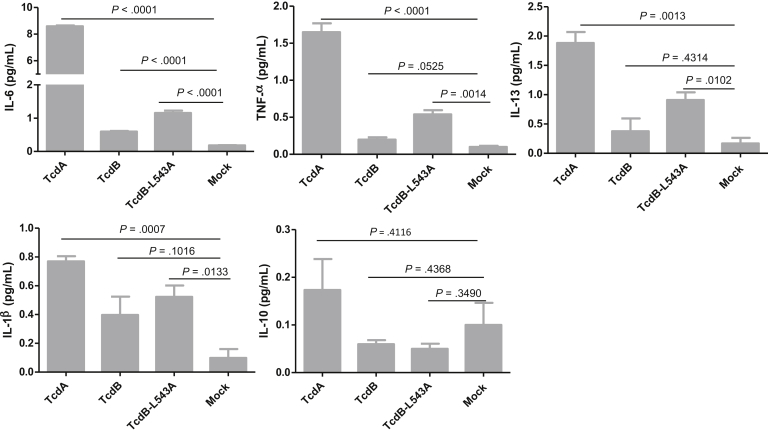
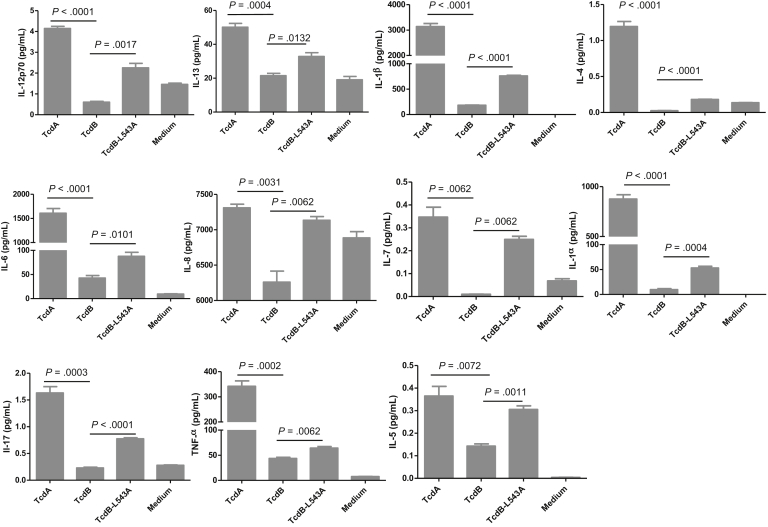
Blocking autoprocessing of TcdB by mutagenesis or chemical inhibition, while reducing cytotoxicity of the toxin, significantly enhanced its proinflammatory activities in the animal model. Furthermore, a noncleavable mutant TcdB was significantly more potent than the wild-type toxin in the induction of proinflammatory cytokines in human colonic tissues and immune cells.
In this study, we identified a novel mechanism of regulating the biological activities of toxins in that cysteine protease-mediated autoprocessing regulates toxins' proinflammatory activities. Our findings provide new insight into the pathogenesis of infection and the design of therapeutics against the disease.
毒素A(TcdA)和毒素B(TcdB)是该细菌的主要毒力因子,可导致肠道组织损伤和炎症。尽管这两种毒素具有同源性且结构域相似,但TcdA通常更具炎症性,而TcdB更具细胞毒性。这两种毒素中调控促炎活性的功能结构域尚不清楚。
在此,我们研究了调节毒素促炎活性的毒素结构域功能。通过使用小鼠回肠袢模型、人体组织和免疫细胞,我们检测了对一系列缺乏特定结构域功能的嵌合毒素或毒素突变体的炎症反应。
通过诱变或化学抑制阻断TcdB的自身加工,在降低毒素细胞毒性的同时,显著增强了其在动物模型中的促炎活性。此外,一种不可切割的突变体TcdB在诱导人结肠组织和免疫细胞中的促炎细胞因子方面比野生型毒素显著更有效。
在本研究中,我们确定了一种调节毒素生物学活性的新机制,即半胱氨酸蛋白酶介导的自身加工调节毒素的促炎活性。我们的发现为该感染的发病机制及针对该疾病的治疗方法设计提供了新的见解。