Department of Neurosurgery, University of New Mexico HSC, Albuquerque, NM.
Department of Neurosciences, University of New Mexico HSC, Albuquerque, NM.
J Am Heart Assoc. 2018 Jun 26;7(13):e009244. doi: 10.1161/JAHA.118.009244.
Brain microvascular endothelial cells form a highly selective blood brain barrier regulated by the endothelial tight junctions. Cerebral ischemia selectively targets tight junction protein complexes, which leads to significant damage to cerebral microvasculature. Short noncoding molecules called microRNAs are implicated in the regulation of various pathological states, including endothelial barrier dysfunction. In the present study, we investigated the influence of microRNA-155 (miR-155) on the barrier characteristics of human primary brain microvascular endothelial cells (HBMECs).
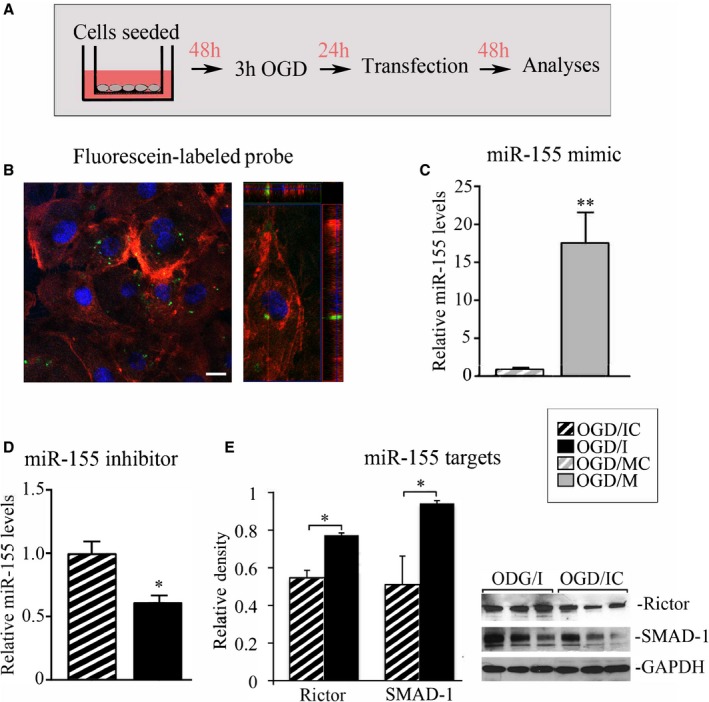
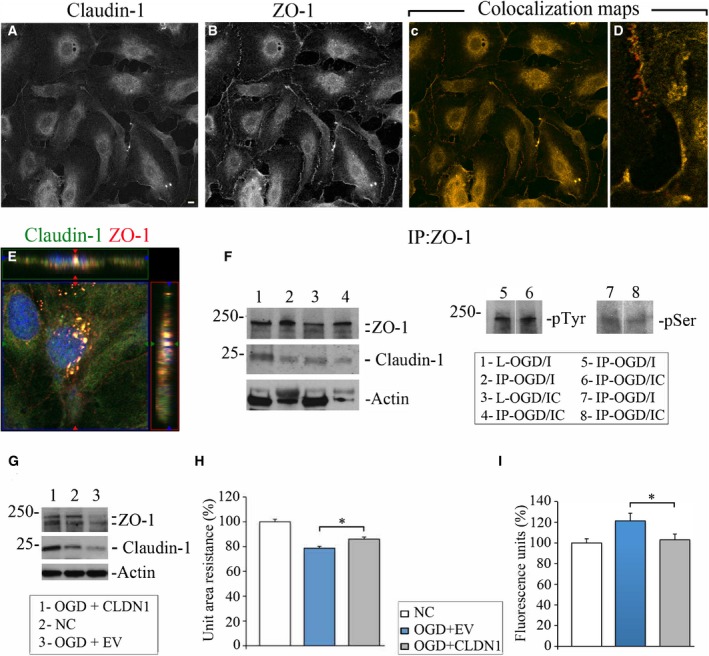
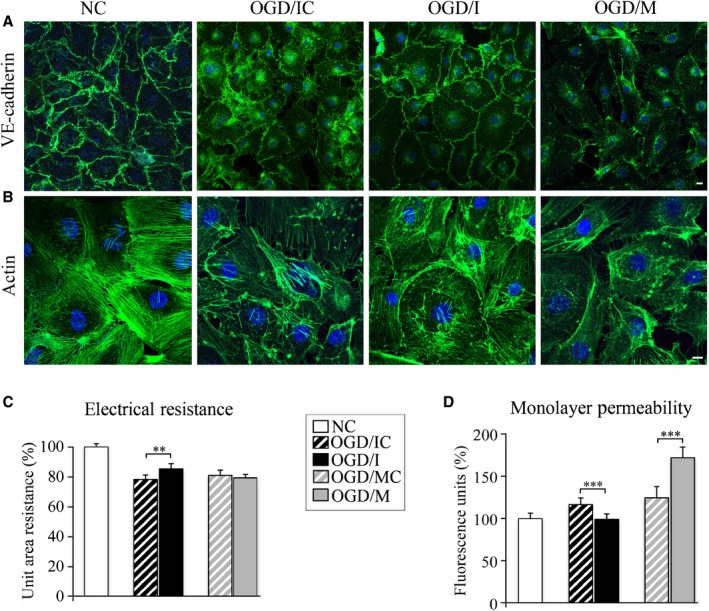
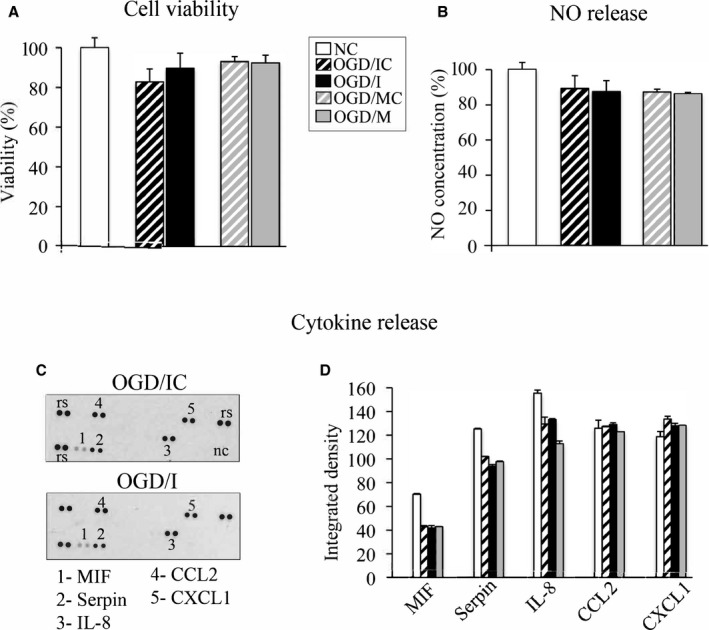
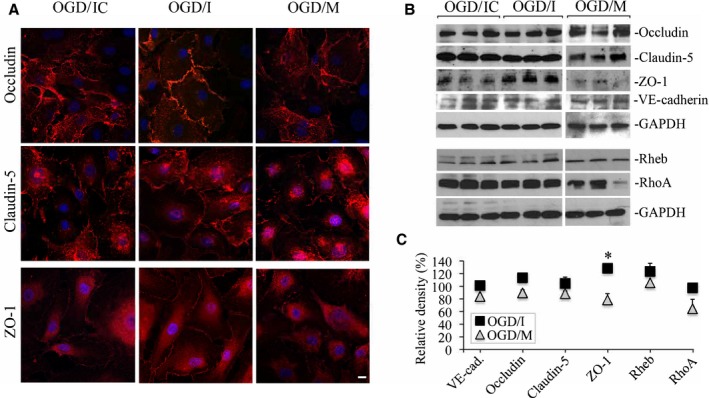
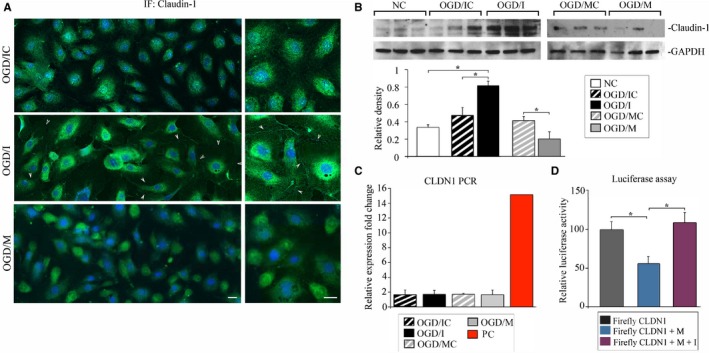
Oxygen-glucose deprivation was used as an in vitro model of ischemic stroke. HBMECs were subjected to 3 hours of oxygen-glucose deprivation, followed by transfections with miR-155 inhibitor, mimic, or appropriate control oligonucleotides. Intact normoxia control HBMECs and 4 oxygen-glucose deprivation-treated groups of cells transfected with appropriate nucleotide were subjected to endothelial monolayer electrical resistance and permeability assays, cell viability assay, assessment of NO and human cytokine/chemokine release, immunofluorescence microscopy, Western blot, and polymerase chain reaction analyses. Assessment of endothelial resistance and permeability demonstrated that miR-155 inhibition improved HBMECs monolayer integrity. In addition, miR-155 inhibition significantly increased the levels of major tight junction proteins claudin-1 and zonula occludens protein-1, while its overexpression reduced these levels. Immunoprecipitation and colocalization analyses detected that miR-155 inhibition supported the association between zonula occludens protein-1 and claudin-1 and their stabilization at the HBMEC membrane. Luciferase reporter assay verified that claudin-1 is directly targeted by miR-155.
Based on these results, we conclude that miR-155 inhibition-induced strengthening of endothelial tight junctions after oxygen-glucose deprivation is mediated via its direct target protein claudin-1.
脑微血管内皮细胞形成高度选择性的血脑屏障,由内皮紧密连接调节。脑缺血选择性靶向紧密连接蛋白复合物,导致脑微血管显著损伤。短的非编码分子,如 microRNAs,被认为参与了各种病理状态的调节,包括内皮屏障功能障碍。在本研究中,我们研究了 microRNA-155 (miR-155) 对人原代脑微血管内皮细胞 (HBMECs) 屏障特性的影响。
氧葡萄糖剥夺被用作缺血性中风的体外模型。HBMECs 进行 3 小时的氧葡萄糖剥夺,然后用 miR-155 抑制剂、模拟物或适当的对照寡核苷酸转染。将完整的正常氧对照 HBMECs 和 4 个用适当核苷酸转染的氧葡萄糖剥夺处理组细胞进行内皮单层电阻和通透性测定、细胞活力测定、NO 和人细胞因子/趋化因子释放评估、免疫荧光显微镜检查、Western blot 和聚合酶链反应分析。内皮电阻和通透性评估表明,miR-155 抑制改善了 HBMECs 单层完整性。此外,miR-155 抑制显著增加了主要紧密连接蛋白 Claudin-1 和封闭蛋白-1 的水平,而其过表达则降低了这些水平。免疫沉淀和共定位分析检测到 miR-155 抑制支持封闭蛋白-1 和 Claudin-1 之间的关联,并稳定在 HBMEC 膜上。荧光素酶报告基因测定证实 Claudin-1 是 miR-155 的直接靶标。
基于这些结果,我们得出结论,miR-155 抑制诱导的氧葡萄糖剥夺后内皮紧密连接的增强是通过其直接靶蛋白 Claudin-1 介导的。