Department of Neurology, Innsbruck Medical University, Anichstrasse 35, 6020, Innsbruck, Austria.
J Neurol. 2018 Sep;265(9):2015-2022. doi: 10.1007/s00415-018-8946-0. Epub 2018 Jun 27.
Friedreich ataxia (FRDA) is an inherited movement disorder which manifests with progressive gait instability, sensory loss and cardiomyopathy. Peripheral neuropathy is an established feature of FRDA. At neuropathological examination, a depletion of large, myelinated axons is evident, but also unmyelinated fibers are affected which may result in a variety of sensory and autonomic signs and symptoms. Impaired temperature perception, vasomotor disturbances of lower extremities and a high prevalence of urinary symptoms have been documented in FRDA, but data from autonomic function testing in genetically confirmed cases are lacking.
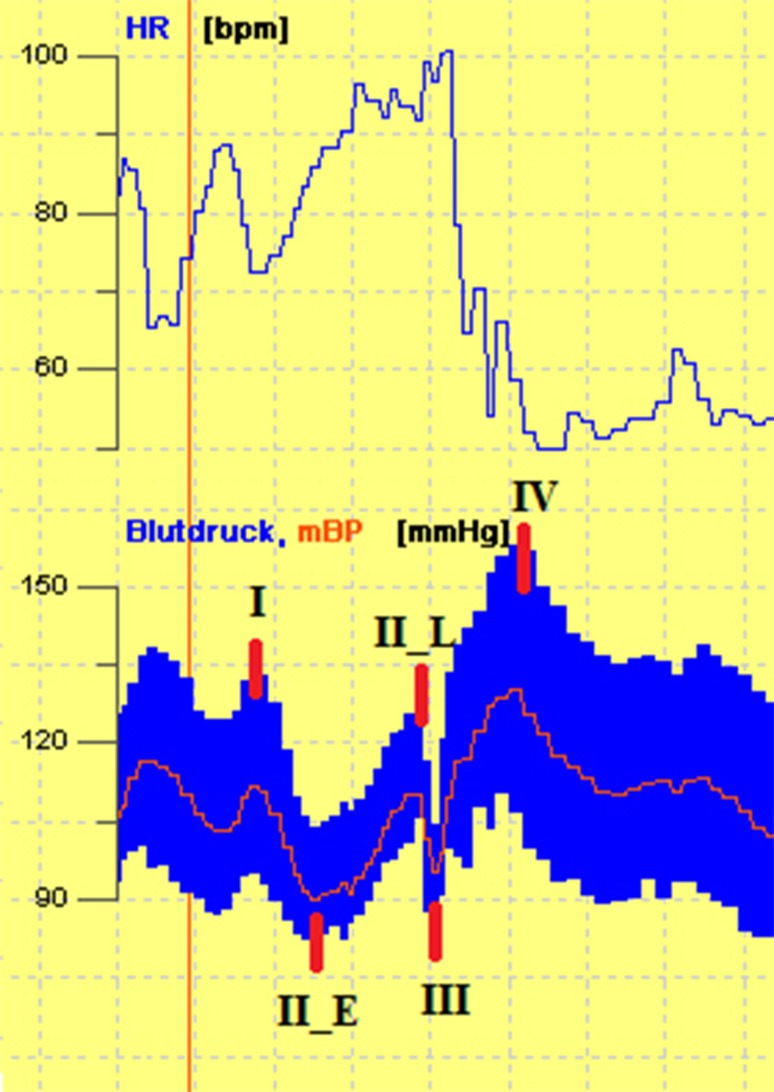
Genetically confirmed FRDAs were recruited in an outpatient setting. In a screening visit, general and neurological examination, laboratory testing, ECG and echocardiography were performed. Autonomic functions were evaluated by means of systematic questionnaires (SCOPA-Aut, OHQ), skin sympathetic reflex and cardiovascular autonomic function testing (CAFT). For the latter, a comparison with matched healthy controls was performed.
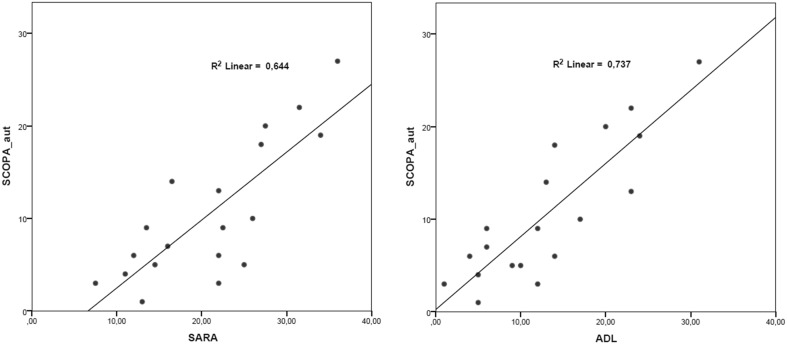
20 patients were recruited and 13 underwent CAFT. Symptoms referred to multiple autonomic domains, particularly bladder function, thermoregulation and sweating were reported. SCOPA-Aut scores were significantly predicted by disease severity. At CAFT, FRDAs did not differ from controls except for increased heart rate at rest and during orthostatic challenge. Two patients had non-neurogenic orthostatic hypotension (14%). Skin sympathetic responses were pathologic in 3 out of 10 patients (of whom 2 aged > 50).
FRDA patients may experience several autonomic symptoms and overall their burden correlates with disease severity. Nonetheless, clinical testing shows no major involvement of sudomotor and cardiovascular autonomic function.
弗里德赖希共济失调(FRDA)是一种遗传性运动障碍,其表现为进行性步态不稳、感觉丧失和心肌病。周围神经病是 FRDA 的一个既定特征。在神经病理学检查中,明显可见大的有髓轴突耗竭,但也有未髓鞘的纤维受到影响,这可能导致各种感觉和自主症状。FRDA 患者已被记录存在体温感知受损、下肢血管舒缩功能障碍和高发生率的尿症状,但缺乏遗传确认病例的自主功能测试数据。
在门诊环境中招募遗传确认的 FRDA 患者。在筛选就诊时,进行了一般和神经检查、实验室检查、心电图和超声心动图检查。通过系统问卷(SCOPA-Aut、OHQ)、皮肤交感反射和心血管自主功能测试(CAFT)评估自主功能。对于后者,与匹配的健康对照组进行了比较。
共招募了 20 名患者,其中 13 名接受了 CAFT。报告了涉及多个自主域的症状,特别是膀胱功能、体温调节和出汗。SCOPA-Aut 评分与疾病严重程度显著相关。在 CAFT 中,FRDA 患者与对照组无差异,除了静息和直立挑战时心率增加。两名患者有非神经源性直立性低血压(14%)。10 名患者中有 3 名(其中 2 名年龄>50 岁)皮肤交感反应异常。
FRDA 患者可能会出现多种自主症状,并且他们的总负担与疾病严重程度相关。尽管如此,临床检查并未显示出明显的自主神经功能障碍。