Center for Radiological Research, Columbia University Medical Center, 630 West 168th Street, New York, NY, 10032, USA.
Radiological Research Accelerator Facility, Columbia University, Irvington, NY, 10533, USA.
BMC Genomics. 2018 Jun 28;19(1):504. doi: 10.1186/s12864-018-4884-6.
Radiation exposure due to the detonation of an improvised nuclear device remains a major security concern. Radiation from such a device involves a combination of photons and neutrons. Although photons will make the greater contribution to the total dose, neutrons will certainly have an impact on the severity of the exposure as they have high relative biological effectiveness.
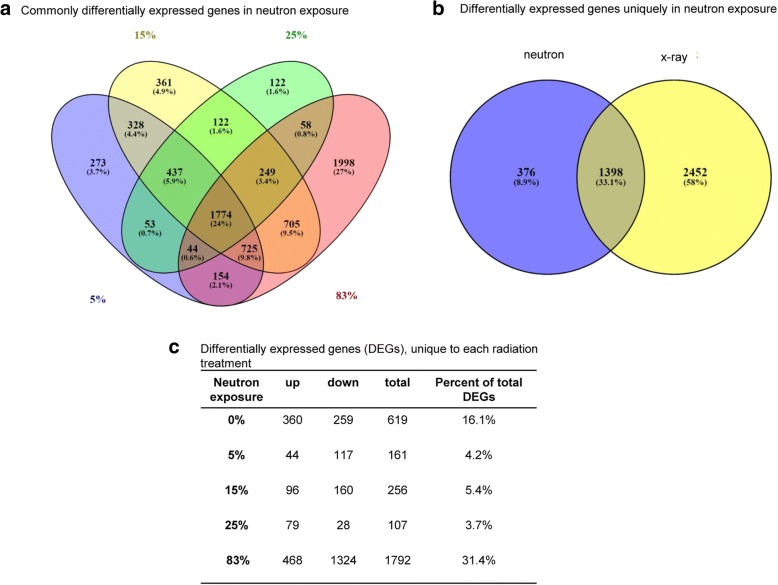
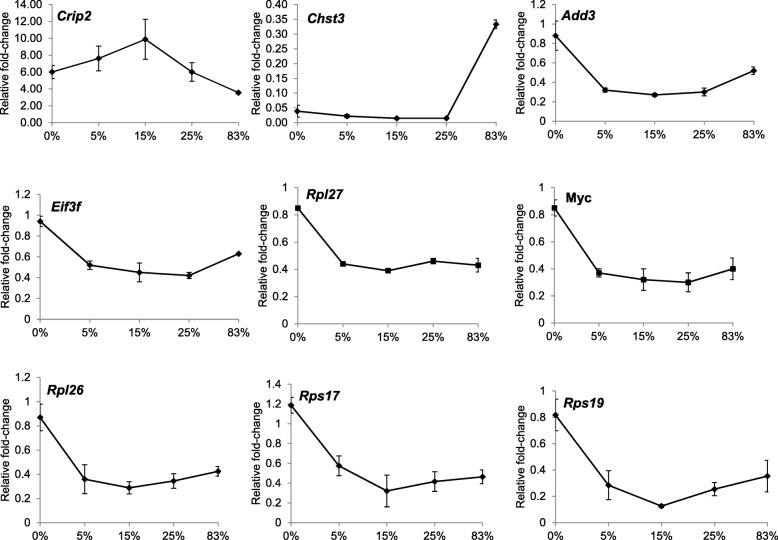
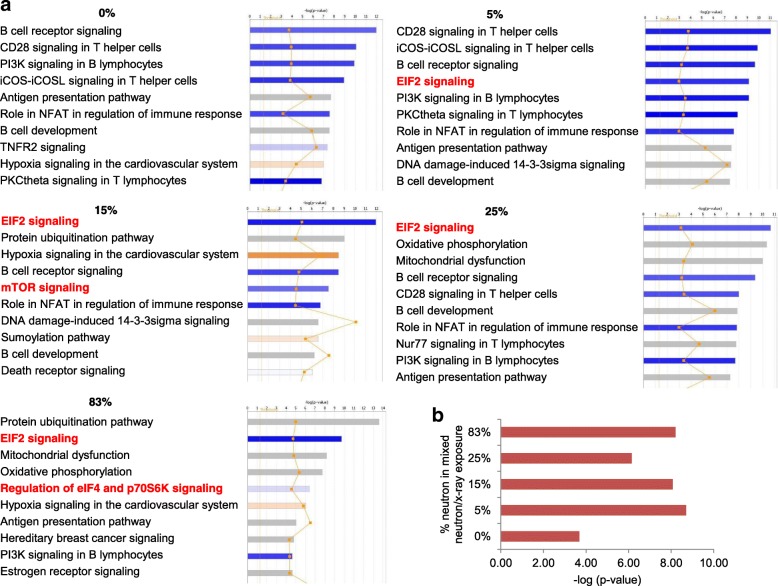
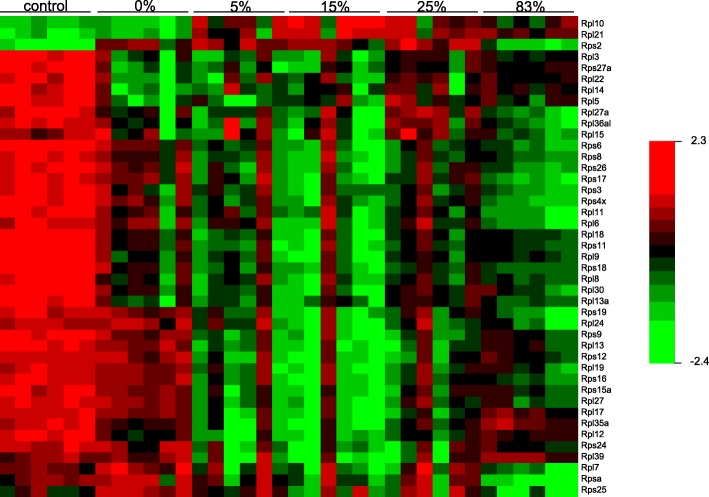
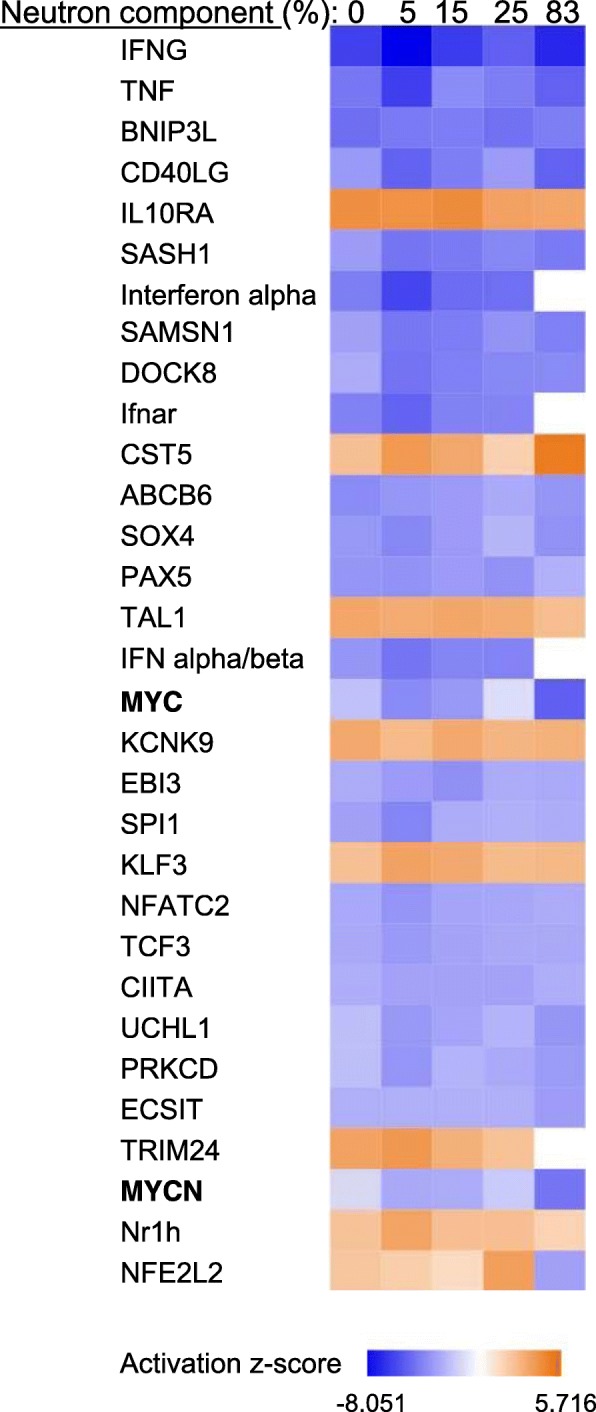
We investigated the gene expression signatures in the blood of mice exposed to 3 Gy x-rays, 0.75 Gy of neutrons, or to mixed field photon/neutron with the neutron fraction contributing 5, 15%, or 25% of a total 3 Gy radiation dose. Gene ontology and pathway analysis revealed that genes involved in protein ubiquitination pathways were significantly overrepresented in all radiation doses and qualities. On the other hand, eukaryotic initiation factor 2 (EIF2) signaling pathway was identified as one of the top 10 ranked canonical pathways in neutron, but not pure x-ray, exposures. In addition, the related mTOR and regulation of EIF4/p70S6K pathways were also significantly underrepresented in the exposures with a neutron component, but not in x-ray radiation. The majority of the changed genes in these pathways belonged to the ribosome biogenesis and translation machinery and included several translation initiation factors (e.g. Eif2ak4, Eif3f), as well as 40S and 60S ribosomal subunits (e.g. Rsp19, Rpl19, Rpl27). Many of the differentially downregulated ribosomal genes (e.g. RPS19, RPS28) have been causally associated with human bone marrow failure syndromes and hematologic malignancies. We also observed downregulation of transfer RNA processes, in the neutron-only exposure (p < 0.005). Ingenuity Pathway Analysis (p < 0.05) of differentially expressed genes predicted significantly suppressed activity of the upstream regulators c-Myc and Mycn, transcription factors known to control ribosome biogenesis.
We describe the gene expression profile of mouse blood following exposure to mixed field neutron/photon irradiation. We have discovered that pathways related to protein translation are significantly underrepresented in the exposures containing a neutron component. Our results highlight the significance of neutron exposures that even the smallest percentage can have profound biological effects that will affect medical management and treatment decisions in case of a radiological emergency.
简易核装置爆炸产生的辐射暴露仍然是一个主要的安全问题。这种装置产生的辐射涉及光子和中子的组合。尽管光子在总剂量中会有更大的贡献,但由于其相对生物有效性高,中子肯定会对暴露的严重程度产生影响。
我们研究了暴露于 3GyX 射线、0.75Gy 中子或混合场光子/中子(中子分数分别占总 3Gy 辐射剂量的 5%、15%或 25%)的小鼠血液中的基因表达特征。基因本体论和途径分析显示,所有辐射剂量和质量下,参与蛋白质泛素化途径的基因都显著过表达。另一方面,真核起始因子 2(EIF2)信号通路被确定为中子暴露而非纯 X 射线暴露的前 10 个排名最高的经典途径之一。此外,与 mTOR 和 EIF4/p70S6K 途径的调节相关的途径在含有中子成分的暴露中也显著低表达,但在 X 射线辐射中没有。这些途径中大多数改变的基因属于核糖体生物发生和翻译机制,包括几个翻译起始因子(如 Eif2ak4、Eif3f)以及 40S 和 60S 核糖体亚基(如 Rsp19、Rpl19、Rpl27)。许多差异下调的核糖体基因(如 RPS19、RPS28)与人类骨髓衰竭综合征和血液恶性肿瘤有因果关系。我们还观察到,仅在中子暴露中,转移 RNA 过程下调(p<0.005)。差异表达基因的 Ingenuity 通路分析(p<0.05)预测,上游调控因子 c-Myc 和 Mycn 的活性显著受到抑制,c-Myc 和 Mycn 是控制核糖体生物发生的转录因子。
我们描述了暴露于混合场中子/光子辐射后小鼠血液的基因表达谱。我们发现,含有中子成分的暴露中,与蛋白质翻译相关的途径明显低表达。我们的结果强调了中子暴露的重要性,即使是最小的百分比也会产生深远的生物学影响,这将影响放射紧急情况下的医疗管理和治疗决策。