Anhui Province Key Laboratory of Medical Physics and Technology, Center of Medical Physics and Technology, Hefei Institutes of Physical Science, Chinese Academy of Sciences, No. 350, Shushan Hu Road, Hefei, 230031, Anhui, China.
Hefei Cancer Hospital, Chinese Academy of Sciences, No. 350, Shushan Hu Road, Hefei, 230031, Anhui, China.
J Exp Clin Cancer Res. 2018 Jun 28;37(1):128. doi: 10.1186/s13046-018-0787-2.
Hepatocellular carcinoma (HCC) is one of the most common malignant tumors in the world and metastasis is the leading cause of death associated with HCC. Hypoxia triggers the epithelial-mesenchymal transition (EMT) of cancer cells, which enhances their malignant character and elevates metastatic risk. Supervillin associates tightly with the membrane and cytoskeleton, promoting cell motility, invasiveness, and cell survival. However, the roles of supervillin in HCC metastasis remain unclear.
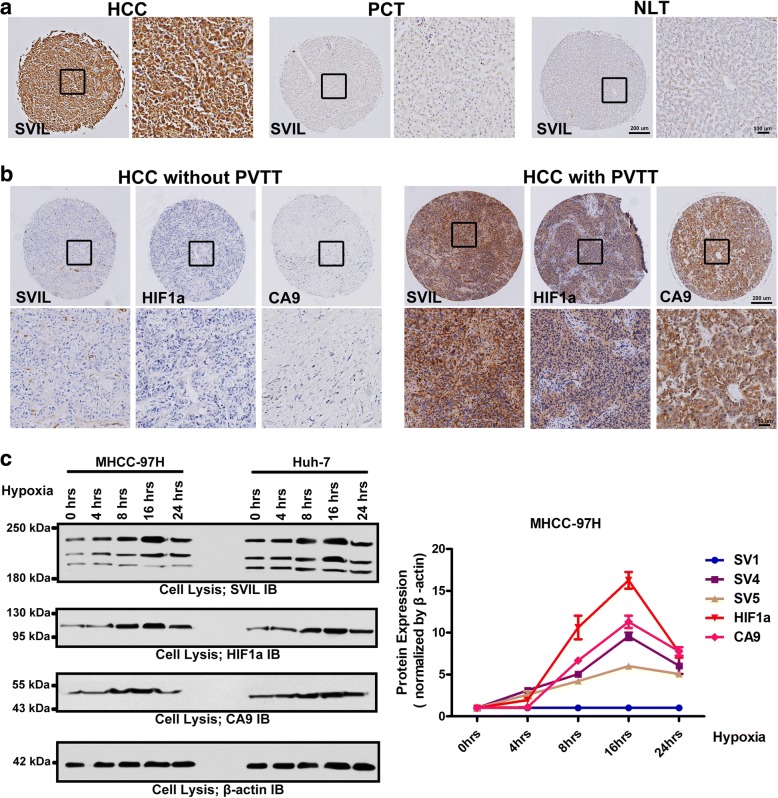
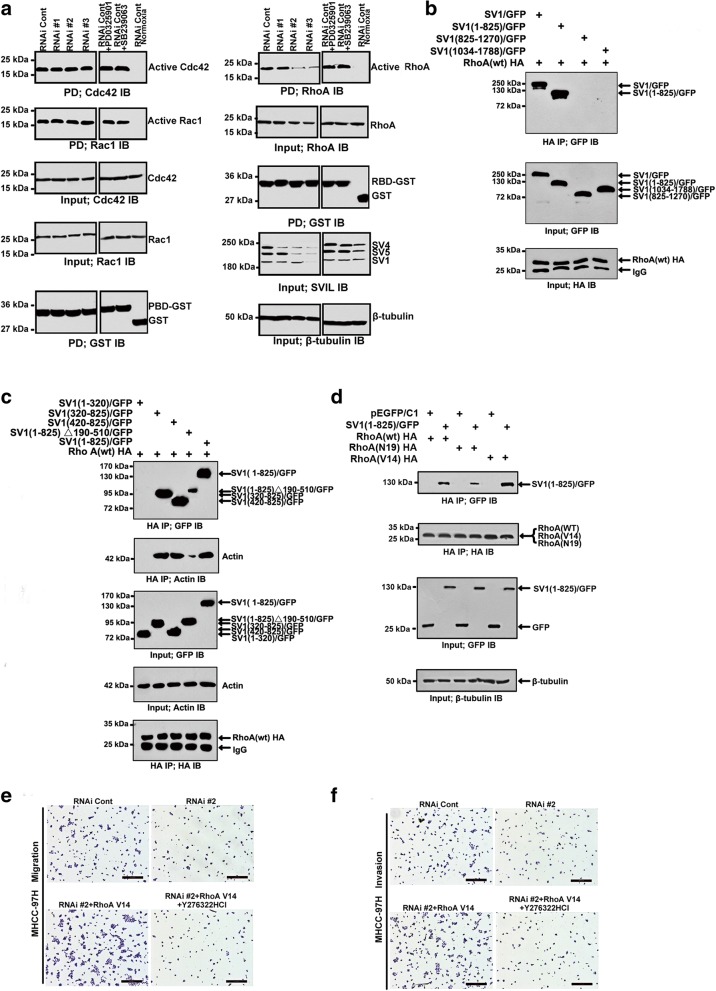
Tissue microarray technology was used to immunohistochemically stain for supervillin antibody in 173 HCC tissue specimens and expression levels correlated with the clinicopathological variables. Tumor cell motility and invasiveness, as well as changes in the mRNA expression levels of genes associated with cancer cell EMT, were investigated. The relationship between supervillin and Rho GTPases was examined using Co-IP and GST pull-down.
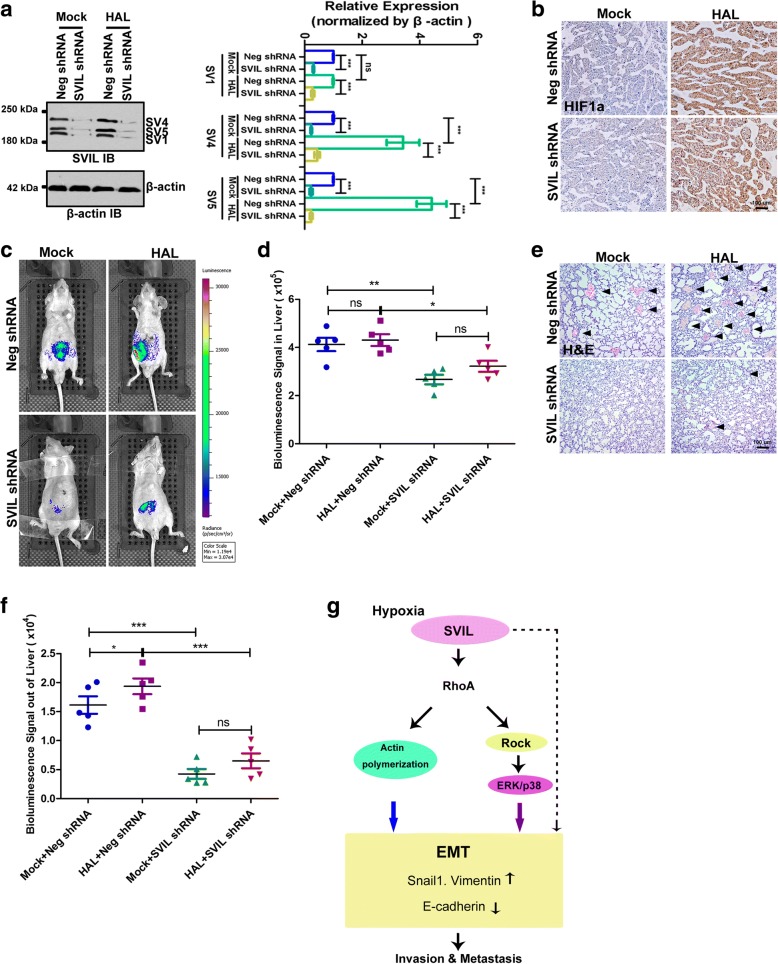
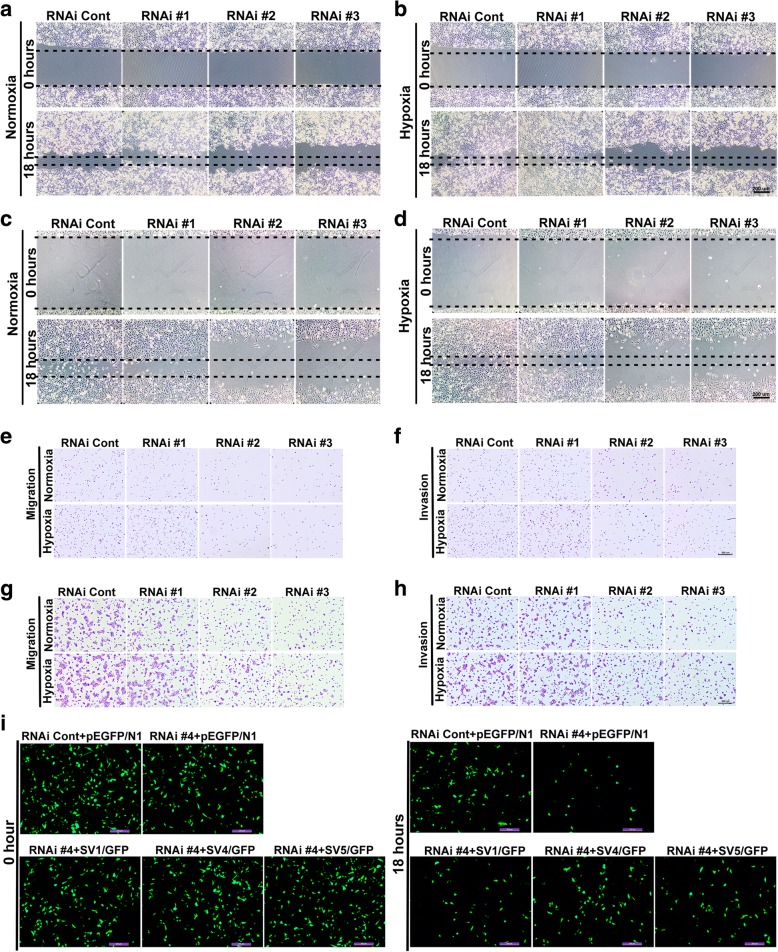
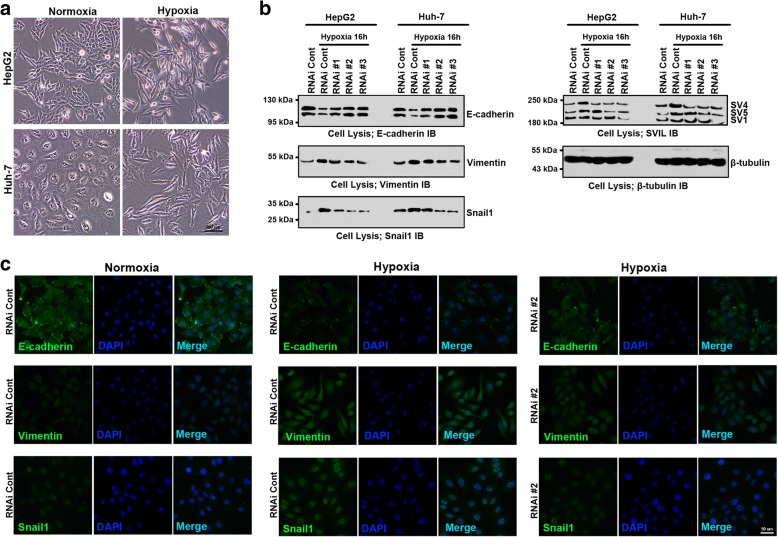
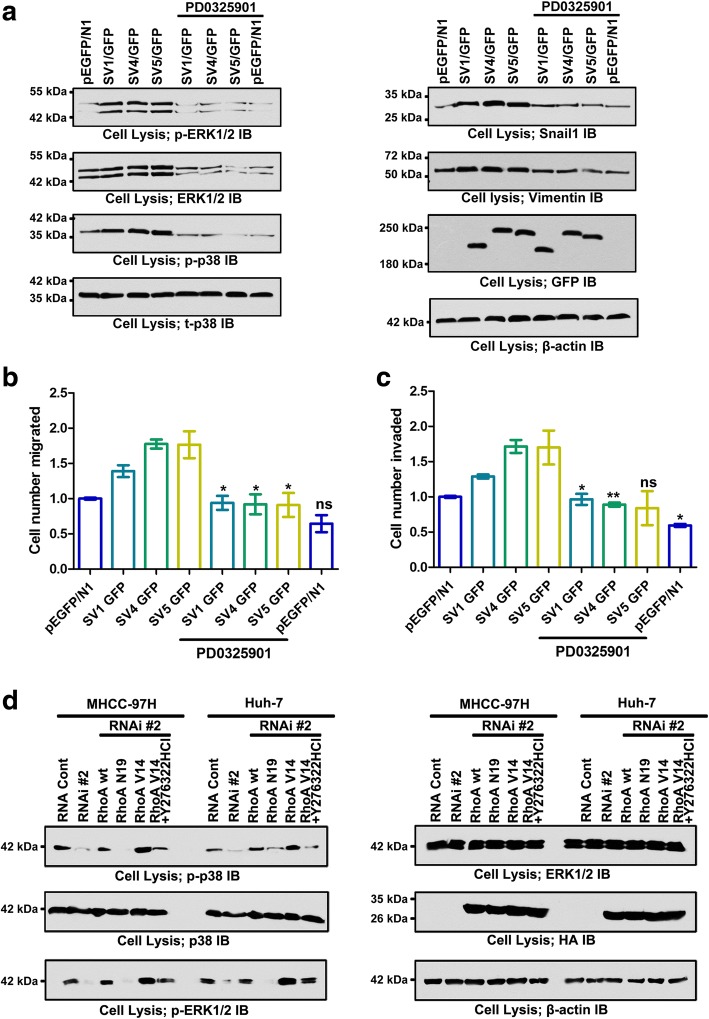
Hypoxia-induced upregulation of supervillin promoted cancer cell migration and invasion via the activation of the ERK/p38 pathway downstream of RhoA/ROCK signaling. Furthermore, supervillin regulated the expression of EMT genes during hypoxia and accelerated the metastasis of HCC in vivo.
Hypoxia-induced increase in supervillin expression is a significant and independent predictor of cancer metastasis, which leads to poor survival in HCC patients. Our results suggest that supervillin may be a candidate prognostic factor for HCC and a valuable target for therapy.
肝细胞癌(HCC)是世界上最常见的恶性肿瘤之一,转移是与 HCC 相关的主要死亡原因。缺氧会引发癌细胞的上皮-间充质转化(EMT),增强其恶性特征并增加转移风险。Supervillin 与细胞膜和细胞骨架紧密结合,促进细胞迁移、侵袭和细胞存活。然而,Supervillin 在 HCC 转移中的作用尚不清楚。
采用组织微阵列技术,用 Supervillin 抗体对 173 例 HCC 组织标本进行免疫组织化学染色,分析其表达水平与临床病理变量的相关性。研究肿瘤细胞的迁移和侵袭能力,以及与 EMT 相关的基因的 mRNA 表达水平的变化。使用 Co-IP 和 GST 下拉实验检测 Supervillin 与 Rho GTPases 之间的关系。
缺氧诱导的 Supervillin 上调通过 RhoA/ROCK 信号下游的 ERK/p38 通路促进了癌细胞的迁移和侵袭。此外,Supervillin 在缺氧条件下调节 EMT 基因的表达,并加速 HCC 的体内转移。
缺氧诱导的 Supervillin 表达增加是癌症转移的一个重要且独立的预测因素,导致 HCC 患者的生存预后不良。我们的研究结果表明,Supervillin 可能是 HCC 的一个候选预后因素和有价值的治疗靶点。