Génétique, Génomique Fonctionnelle et Biotechnologies, INSERM, Université de Brest, EFS, Brest, France.
INRA UMR 1280, Centre de Recherche en Nutrition Humaine de l'Ouest (CRNHO), CHU Hôtel-Dieu, Université de Nantes, Nantes, France.
Cell Death Dis. 2018 Jul 3;9(7):745. doi: 10.1038/s41419-018-0761-0.
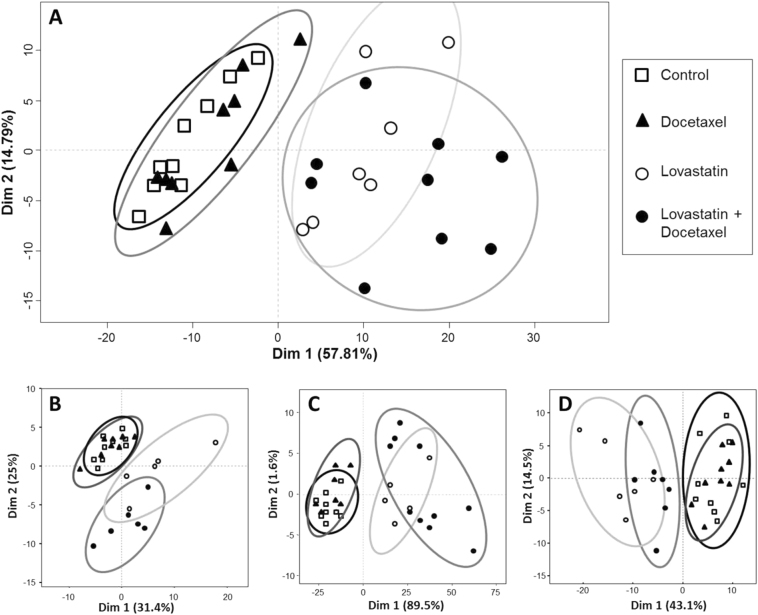
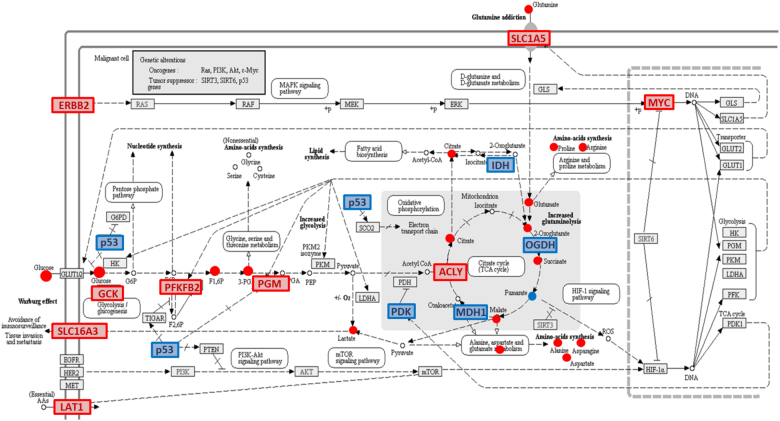
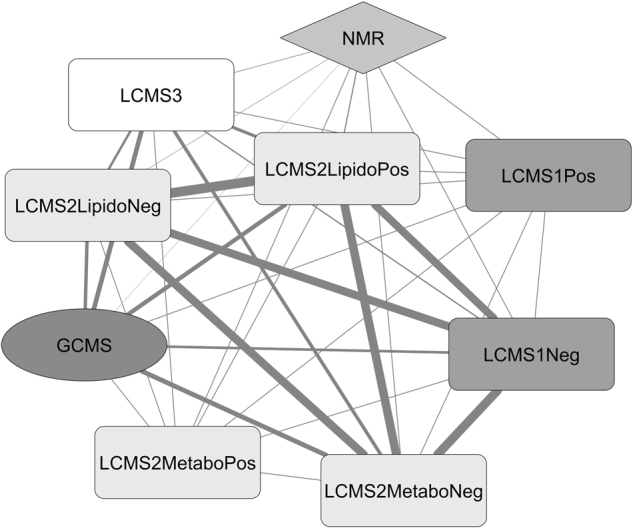
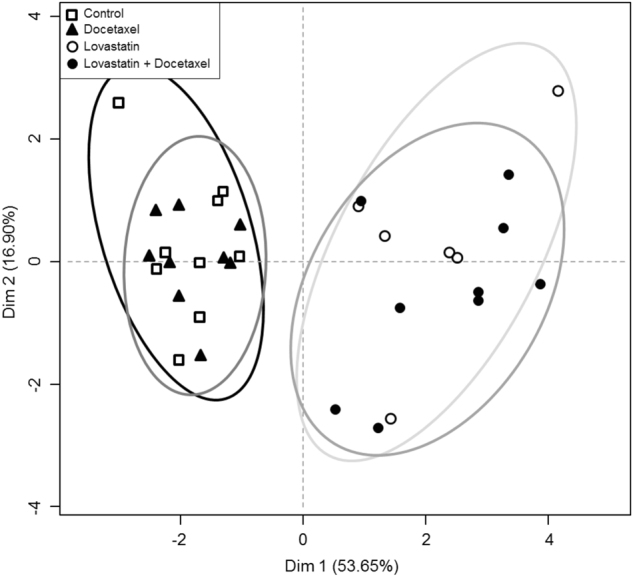
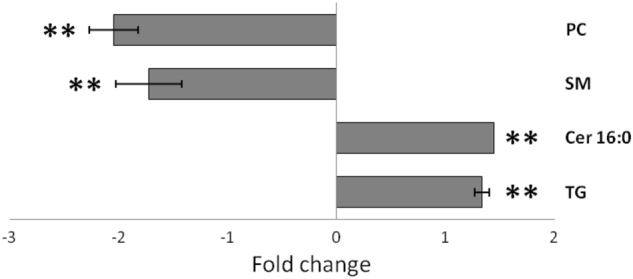
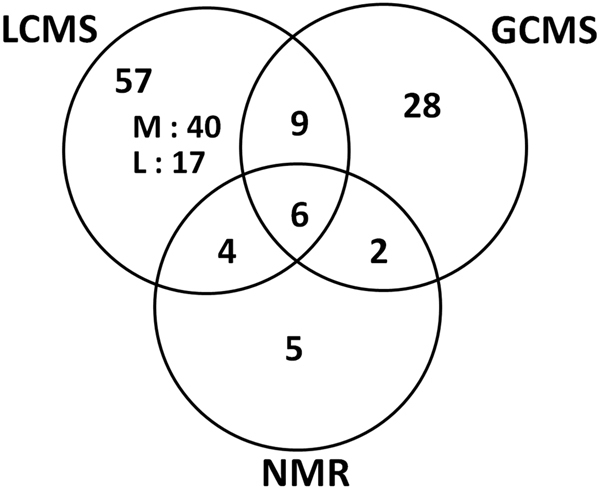
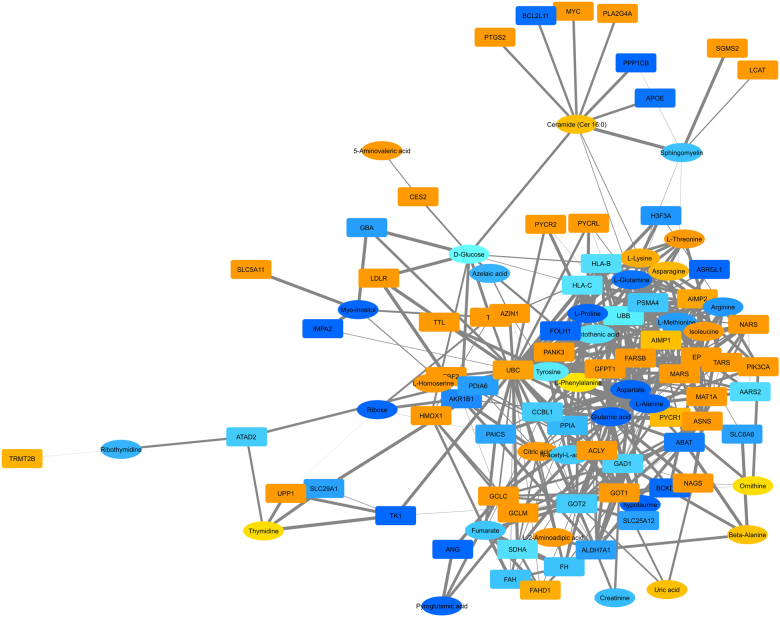
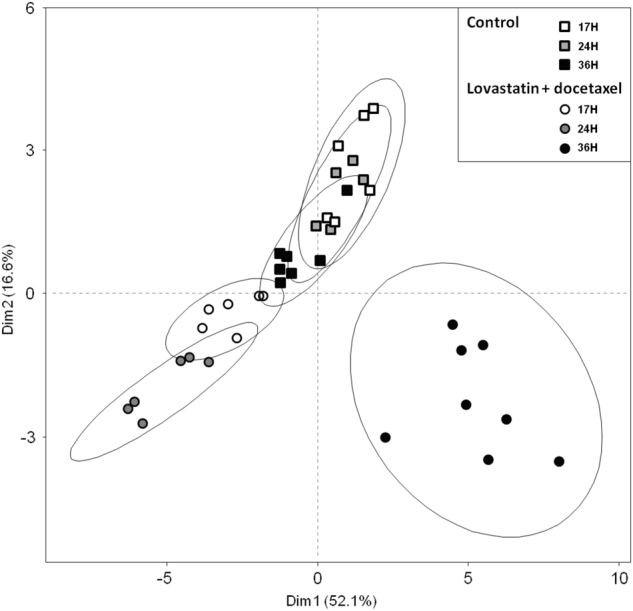
We have previously shown that the combination of statins and taxanes was a powerful trigger of HGT-1 human gastric cancer cells' apoptosis. Importantly, several genes involved in the "Central carbon metabolism pathway in cancer", as reported in the Kyoto Encyclopedia of Genes and Genomes, were either up- (ACLY, ERBB2, GCK, MYC, PGM, PKFB2, SLC1A5, SLC7A5, SLC16A3,) or down- (IDH, MDH1, OGDH, P53, PDK) regulated in response to the drug association. In the present study, we conducted non-targeted metabolomics and lipidomics analyses by complementary methods and cross-platform initiatives, namely mass spectrometry (GC-MS, LC-MS) and nuclear magnetic resonance (NMR), to analyze the changes resulting from these treatments. We identified several altered biochemical pathways involved in the anabolism and disposition of amino acids, sugars, and lipids. Using the Cytoscape environment with, as an input, the identified biochemical marker changes, we distinguished the functional links between pathways. Finally, looking at the overlap between metabolomics/lipidomics and transcriptome changes, we identified correlations between gene expression modifications and changes in metabolites/lipids. Among the metabolites commonly detected by all types of platforms, glutamine was the most induced (6-7-fold), pointing to an important metabolic adaptation of cancer cells. Taken together, our results demonstrated that combining robust biochemical and molecular approaches was efficient to identify both altered metabolic pathways and overlapping gene expression alterations in human gastric cancer cells engaging into apoptosis following blunting the cholesterol synthesis pathway.
我们之前已经表明,他汀类药物和紫杉烷类药物的联合使用是触发 HGT-1 人胃癌细胞凋亡的有力因素。重要的是,正如京都基因与基因组百科全书所报道的那样,参与“癌症中心碳代谢途径”的几个基因,无论是上调(ACLY、ERBB2、GCK、MYC、PGM、PKFB2、SLC1A5、SLC7A5、SLC16A3)还是下调(IDH、MDH1、OGDH、P53、PDK),都对药物联合作用有反应。在本研究中,我们通过互补方法和跨平台计划(即质谱(GC-MS、LC-MS)和核磁共振(NMR))进行非靶向代谢组学和脂质组学分析,以分析这些处理引起的变化。我们确定了几个参与氨基酸、糖和脂质合成和处置的改变生化途径。使用 Cytoscape 环境,并将鉴定出的生化标志物变化作为输入,我们区分了途径之间的功能联系。最后,观察代谢组学/脂质组学和转录组变化之间的重叠,我们确定了基因表达修饰与代谢物/脂质变化之间的相关性。在所有类型平台共同检测到的代谢物中,谷氨酰胺的诱导作用最强(6-7 倍),这表明癌细胞发生了重要的代谢适应。总之,我们的结果表明,结合强大的生化和分子方法可以有效地识别人胃癌细胞中受胆固醇合成途径抑制后进入凋亡的代谢途径和重叠的基因表达改变。