Department of Microbiology and Immunology, Chicago Medical School, Rosalind Franklin University of Medicine and Science, 3333 Green Bay Road, North Chicago, IL 60064, USA.
Int J Mol Sci. 2019 Feb 2;20(3):644. doi: 10.3390/ijms20030644.
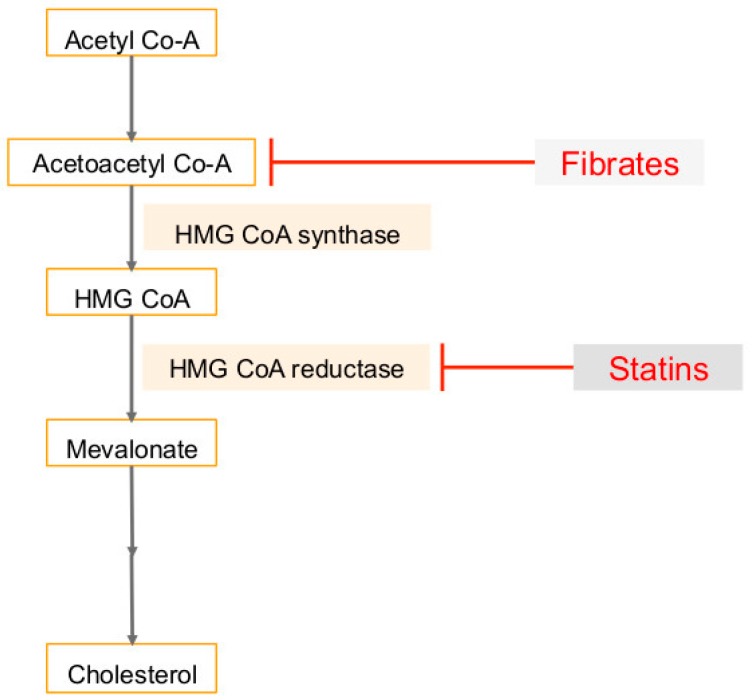
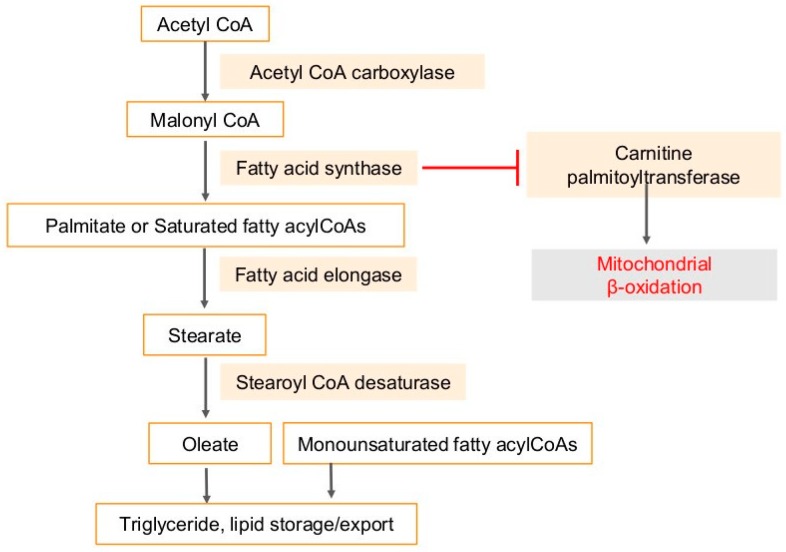
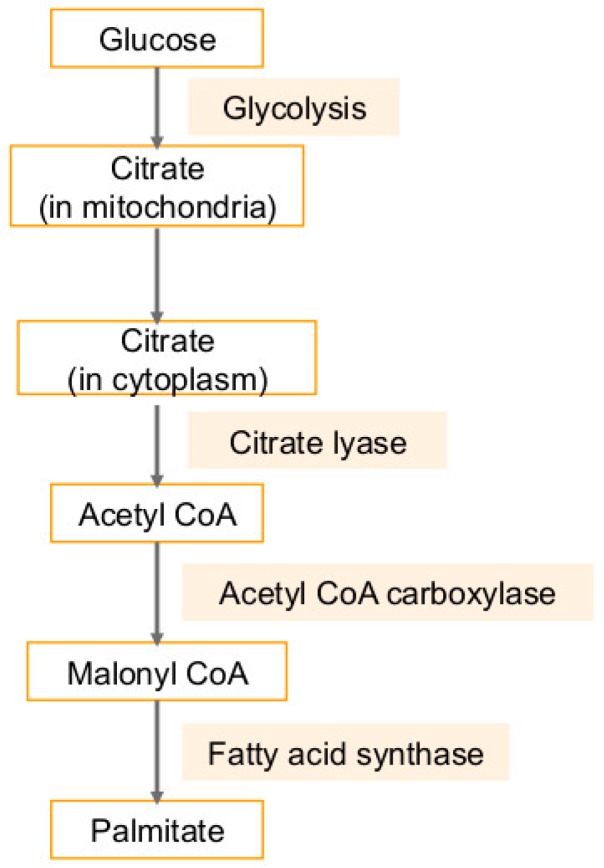
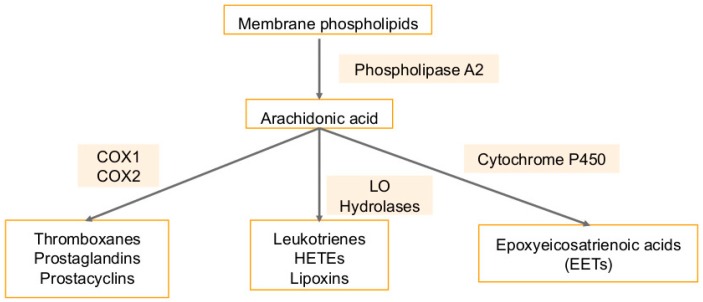
Lipids play a fundamental role in maintaining normal function in healthy cells. Their functions include signaling, storing energy, and acting as the central structural component of cell membranes. Alteration of lipid metabolism is a prominent feature of cancer, as cancer cells must modify their metabolism to fulfill the demands of their accelerated proliferation rate. This aberrant lipid metabolism can affect cellular processes such as cell growth, survival, and migration. Besides the gene mutations, environmental factors, and inheritance, several infectious pathogens are also linked with human cancers worldwide. Tumor viruses are top on the list of infectious pathogens to cause human cancers. These viruses insert their own DNA (or RNA) into that of the host cell and affect host cellular processes such as cell growth, survival, and migration. Several of these cancer-causing viruses are reported to be reprogramming host cell lipid metabolism. The reliance of cancer cells and viruses on lipid metabolism suggests enzymes that can be used as therapeutic targets to exploit the addiction of infected diseased cells on lipids and abrogate tumor growth. This review focuses on normal lipid metabolism, lipid metabolic pathways and their reprogramming in human cancers and viral infection linked cancers and the potential anticancer drugs that target specific lipid metabolic enzymes. Here, we discuss statins and fibrates as drugs to intervene in disordered lipid pathways in cancer cells. Further insight into the dysregulated pathways in lipid metabolism can help create more effective anticancer therapies.
脂质在维持健康细胞的正常功能方面起着至关重要的作用。它们的功能包括信号转导、储存能量,并作为细胞膜的中央结构成分。脂质代谢的改变是癌症的一个显著特征,因为癌细胞必须改变其代谢以满足其快速增殖率的需求。这种异常的脂质代谢会影响细胞过程,如细胞生长、存活和迁移。除了基因突变、环境因素和遗传外,几种传染性病原体也与全球范围内的人类癌症有关。肿瘤病毒是导致人类癌症的传染性病原体之首。这些病毒将自身的 DNA(或 RNA)插入宿主细胞的 DNA 中,并影响宿主细胞的过程,如细胞生长、存活和迁移。据报道,有几种致癌病毒会重新编程宿主细胞的脂质代谢。癌细胞和病毒对脂质代谢的依赖表明,可以将酶作为治疗靶点,利用受感染病变细胞对脂质的依赖性来抑制肿瘤生长。本综述重点介绍正常脂质代谢、脂质代谢途径及其在人类癌症和与病毒感染相关的癌症中的重编程,以及针对特定脂质代谢酶的潜在抗癌药物。在这里,我们讨论他汀类药物和贝特类药物作为干预癌细胞中紊乱脂质途径的药物。进一步深入了解脂质代谢中失调的途径,可以帮助创建更有效的抗癌疗法。