Sadighpour Leyla, Geramipanah Farideh, Fazel Akbar, Allahdadi Mahdi, Kharazifard Mohammad Javad
Associate Professor, Department of Prosthodontics, School of Dentistry, Tehran University of Medical Sciences, Tehran, Iran.
Professor, Dental Implant Research Center, Dentistry Research Institute, Tehran University of Medical Sciences, Tehran, Iran; Department of Prosthodontics, School of Dentistry, Tehran University of Medical Sciences, Tehran, Iran.
J Dent (Tehran). 2018 Mar;15(2):97-105.
The aim of this study was to evaluate the retention strength of zirconia crowns luted with two types of resin cement under environmental pressure changes.
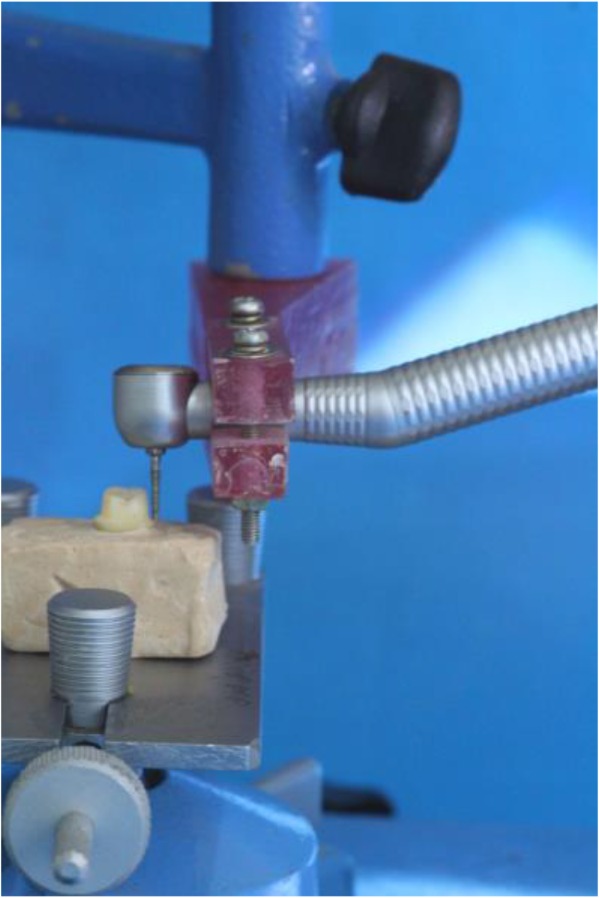
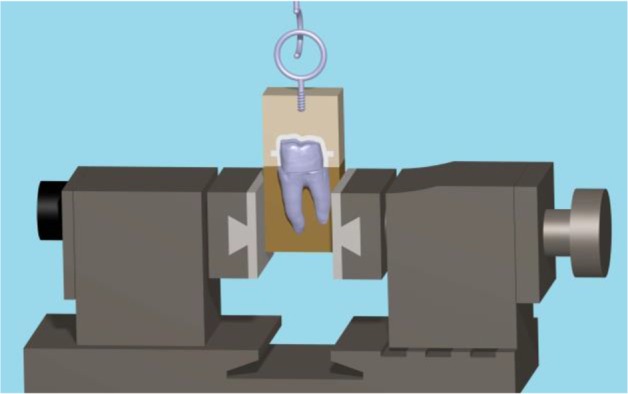
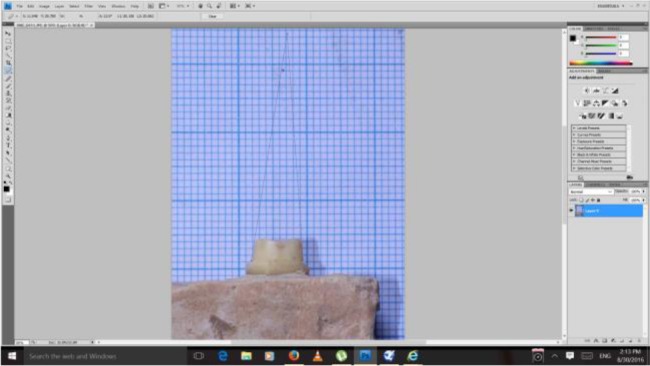
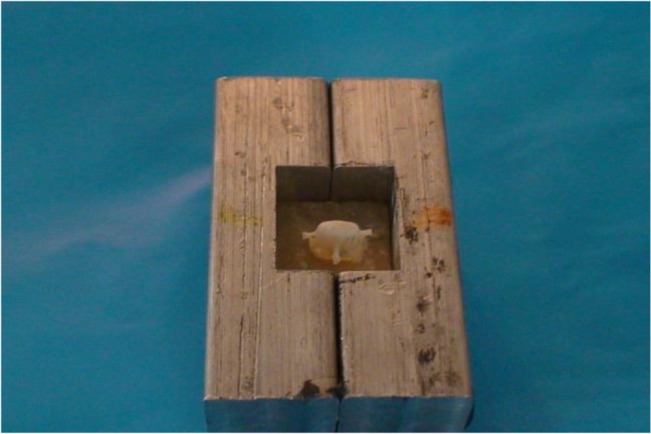
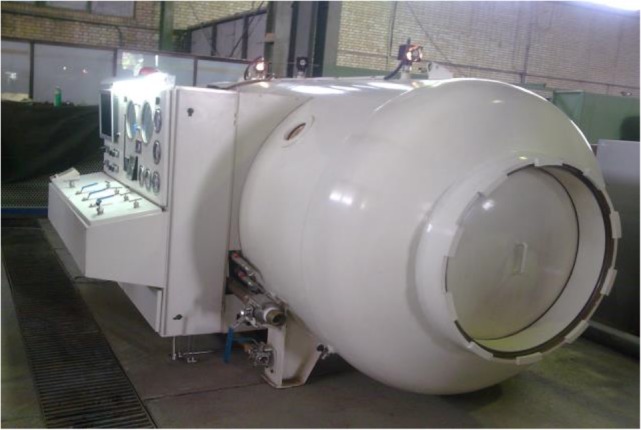
Thirty zirconia crowns were fabricated by using computer-aided design/computer-aided manufacturing (CAD/CAM) system and were cemented by Panavia F2.0 (PAN), hand-mixed RelyX Unicem (UNH), or auto-mix RelyX Unicem Aplicap (UNA) cements on the corresponding extracted human molars. The samples were randomly divided into three groups according to the cement type. After 3000 thermal cycles, the cemented crowns were subjected to 24 pressure cycles (0 to 5 atmospheres). The retention force (N) of the specimens was measured in a universal testing machine. To normalize the retentive force, the recorded force was divided by the surface area of each tooth for measuring the retentive strength (MPa). The mean retention strengths (and forces) of the groups were compared by using one-way analysis of variance (ANOVA) and Tukey's honest significant difference (HSD) test (α=0.05). The failure modes were also examined by using a stereomicroscope.
The retention values related to the evaluated resin cements were significantly different; the UNA group showed the highest retention strength (6.45±0.35 MPa) followed by the UNH (4.99±0.47 MPa) and PAN (4.45±0.39 MPa, P<0.001) groups. The adhesive failure mode was predominant in all the groups.
The choice of resin cements and their mixing methods, which lead to differences in porosity, may affect the retention strength of zirconia crowns.
本研究旨在评估在环境压力变化下,两种树脂水门汀粘结的氧化锆全冠的固位强度。
使用计算机辅助设计/计算机辅助制造(CAD/CAM)系统制作30个氧化锆全冠,并分别用Panavia F2.0(PAN)、手工混合的RelyX Unicem(UNH)或自动混合的RelyX Unicem Aplicap(UNA)水门汀粘结到相应的离体人磨牙上。根据水门汀类型将样本随机分为三组。经过3000次热循环后,将粘结好的全冠进行24次压力循环(0至5个大气压)。在万能试验机上测量试件的固位力(N)。为使固位力标准化,将记录的力除以每个牙齿的表面积以测量固位强度(MPa)。使用单因素方差分析(ANOVA)和Tukey诚实显著差异(HSD)检验(α = 0.05)比较各组的平均固位强度(和力)。还使用体视显微镜检查失败模式。
与评估的树脂水门汀相关的固位值有显著差异;UNA组显示出最高的固位强度(6.45±0.35 MPa),其次是UNH组(4.99±0.47 MPa)和PAN组(4.45±0.39 MPa,P<0.001)。所有组中粘结失败模式占主导。
树脂水门汀的选择及其混合方法会导致孔隙率不同,可能会影响氧化锆全冠的固位强度。