Gotoh Takafumi, Nishimura Takanori, Kuchida Keigo, Mannen Hideyuki
Department of Agricultural Sciences and Natural Resources, Faculty of Agriculture, Kagoshima University, Kagoshima, 890-0065, Japan.
Kuju Agricultural Research Center, Faculty of Agriculture, Kyushu University, Takeda 878-0201, Japan.
Asian-Australas J Anim Sci. 2018 Jul;31(7):933-950. doi: 10.5713/ajas.18.0333. Epub 2018 Jun 21.
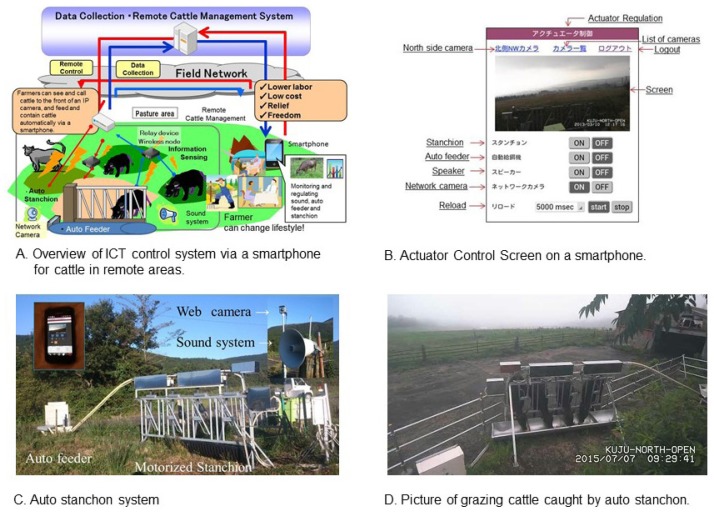
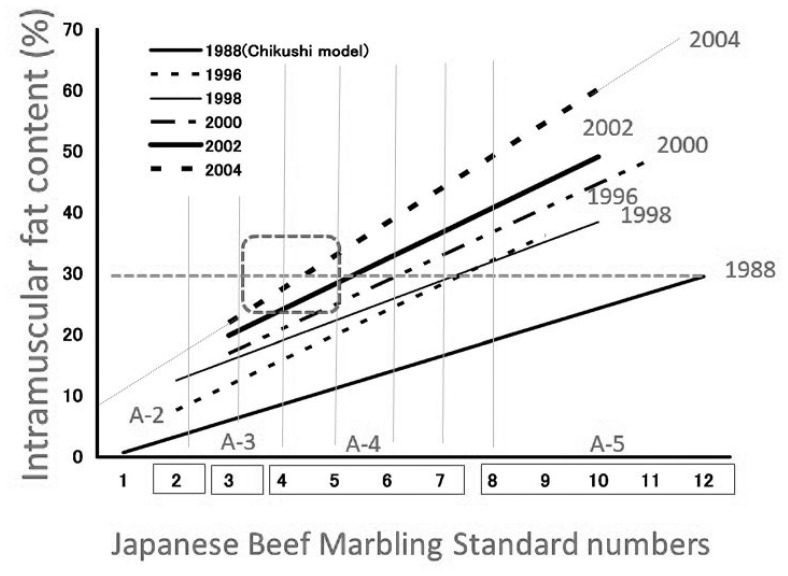
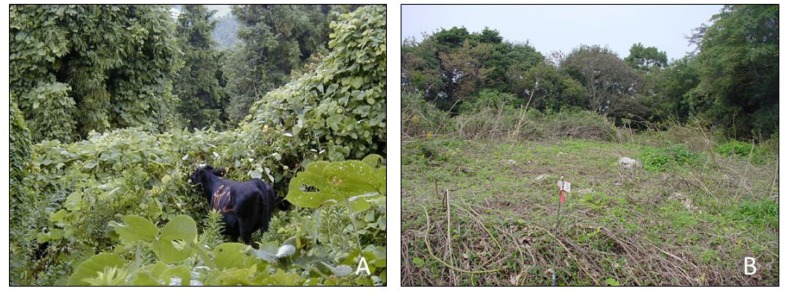
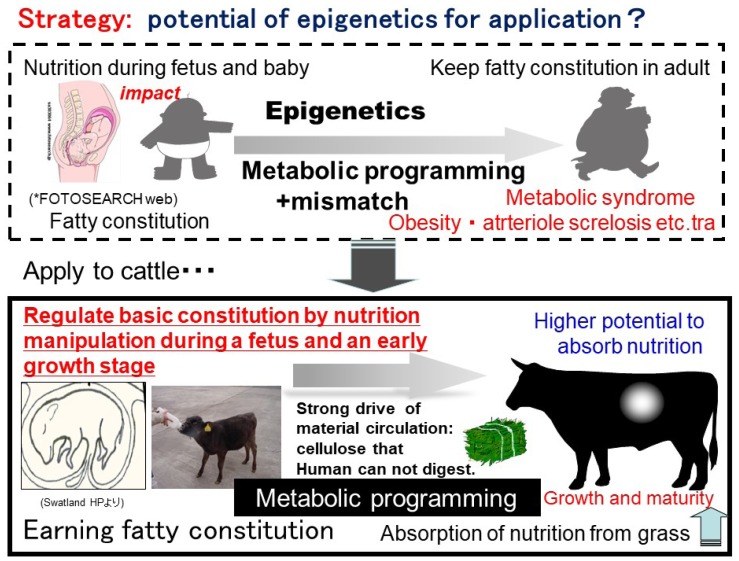
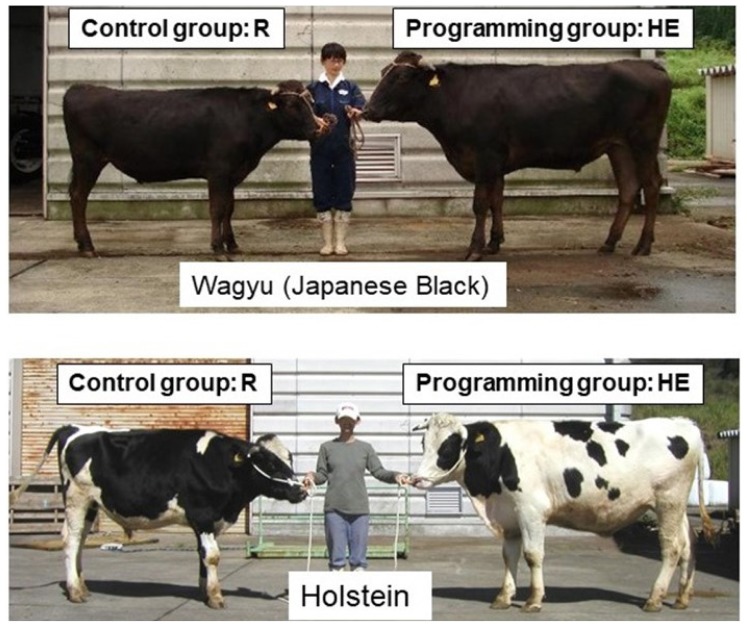
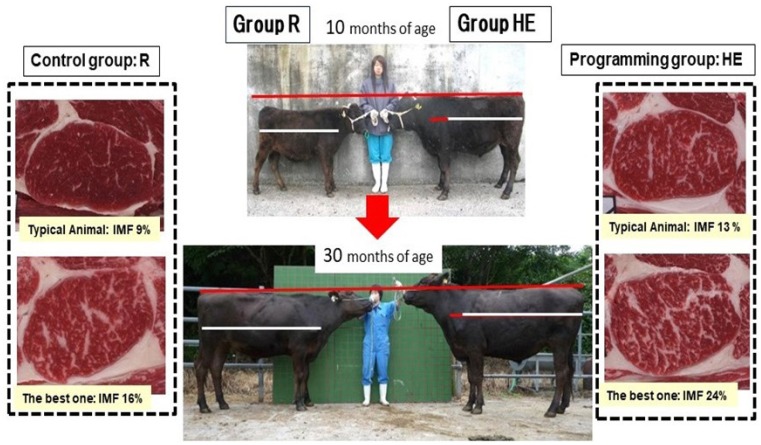
In Japan, Wagyu cattle include four Japanese breeds; Black, Brown, Shorthorn, and Polled. Today, the renowned brand name Wagyu includes not only cattle produced in Japan, but also cattle produced in countries such as Australia and the United States. In recent years, the intramuscular fat percentage in beef (longissimus muscle) from Japanese Black cattle has increased to be greater than 30%. The Japanese Black breed is genetically predisposed to producing carcass lipids containing higher concentrations of monounsaturated fatty acids than other breeds. However, there are numerous problems with the management of this breed including high production costs, disposal of untreated excrement, the requirement for imported feed, and food security risks resulting from various viral diseases introduced by imported feed. The feeding system needs to shift to one that is more efficient, and improves management for farmers, food security for consumers, and the health environment for residents of Japan. Currently, we are developing a metabolic programming and an information and communications technology (ICT, or Interne of Things) management system for Wagyu beef production as future systems. If successful, we will produce safe, high-quality Wagyu beef using domestic pasture resources while solving the problems of how to utilize increasing areas of abandoned agricultural land and to make use of the plant-based feed resources in Japan's mountainous areas.
在日本,和牛包括四个日本品种:黑毛和牛、褐毛和牛、短角和牛以及无角和牛。如今,著名的和牛品牌不仅包括日本产的牛,还包括澳大利亚和美国等国生产的牛。近年来,日本黑毛和牛牛肉(背最长肌)的肌内脂肪百分比已增至30%以上。与其他品种相比,日本黑毛和牛品种在基因上倾向于生产含更高浓度单不饱和脂肪酸的胴体脂质。然而,该品种的养殖存在诸多问题,包括生产成本高、未处理粪便的处理、对进口饲料的需求以及因进口饲料引入各种病毒性疾病而导致的食品安全风险。饲养系统需要转向更高效的系统,以改善养殖户的管理、消费者的食品安全以及日本居民的健康环境。目前,我们正在开发一种用于和牛生产的代谢编程及信息通信技术(ICT,即物联网)管理系统作为未来的系统。如果成功,我们将利用国内牧场资源生产安全、高品质的和牛牛肉,同时解决如何利用日益增加的弃耕农田面积以及如何利用日本山区的植物性饲料资源的问题。