Boelke Andreas, Finkbeiner Peter, Nachtsheim Boris J
Institute for Organic and Analytical Chemistry, University of Bremen, 28359 Bremen, Germany.
Beilstein J Org Chem. 2018 May 30;14:1263-1280. doi: 10.3762/bjoc.14.108. eCollection 2018.
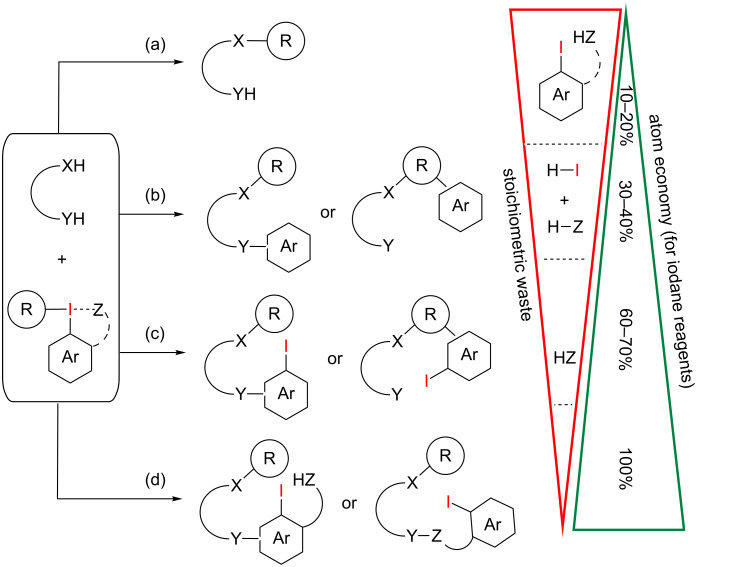
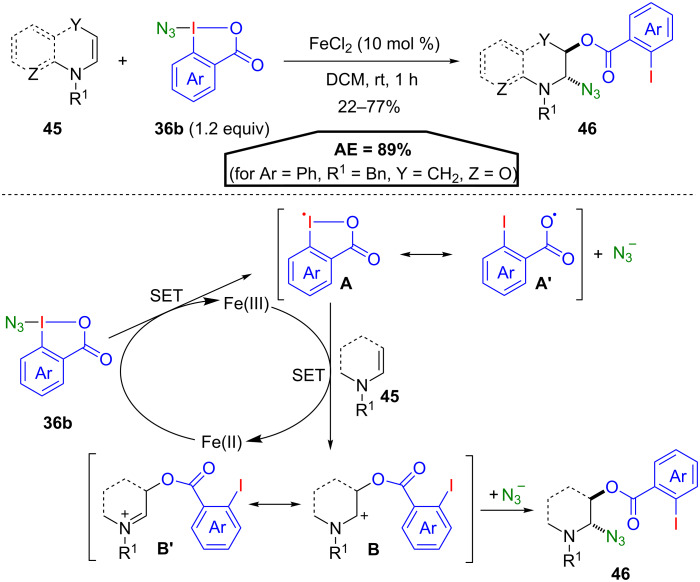
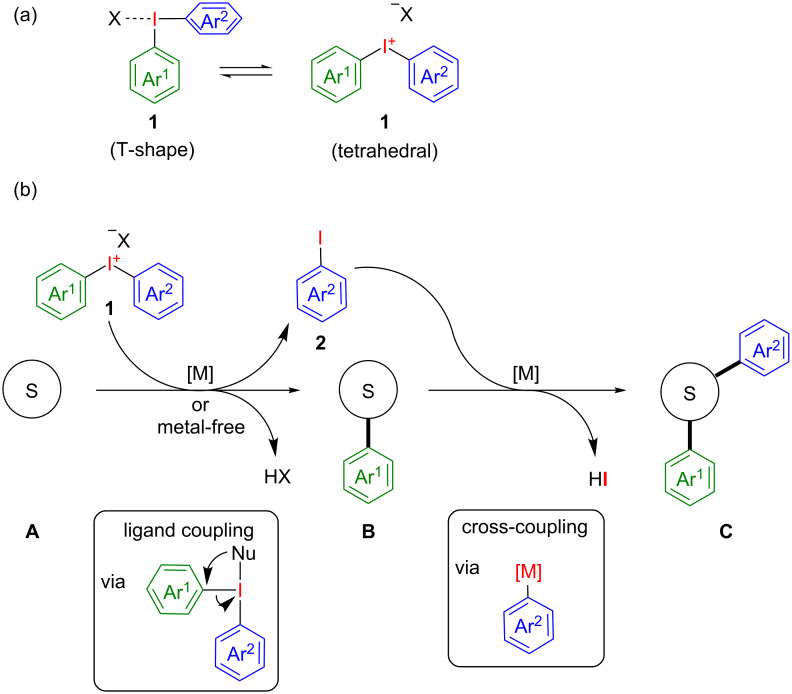
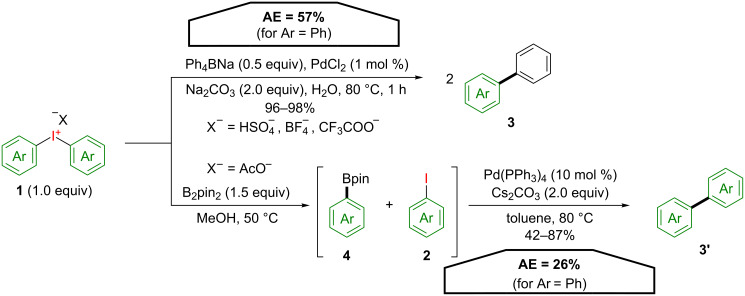
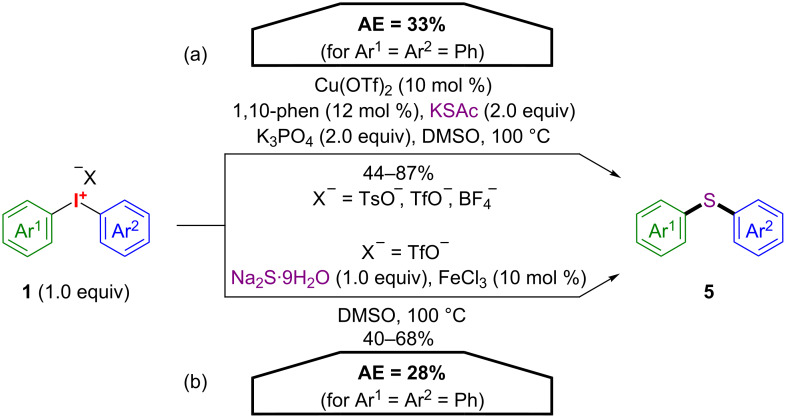
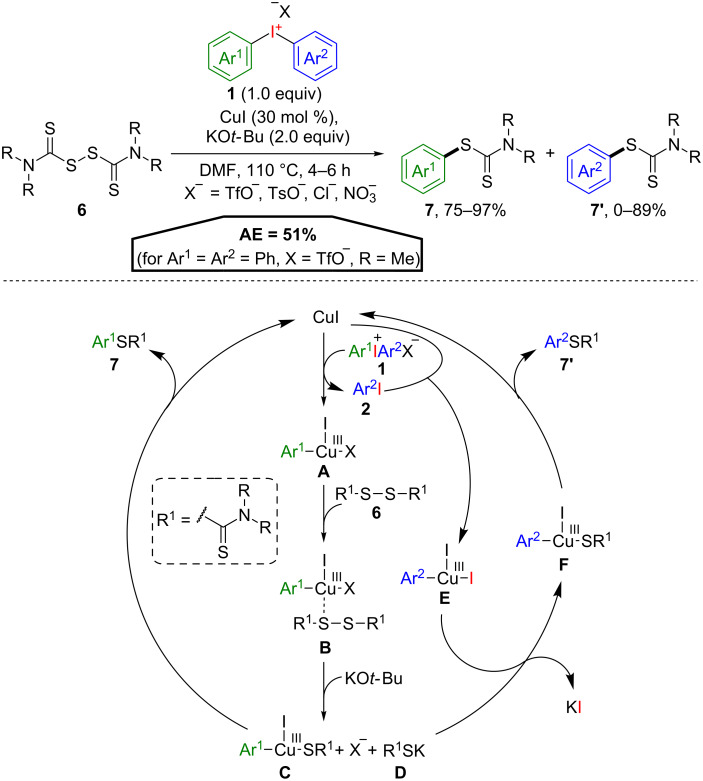
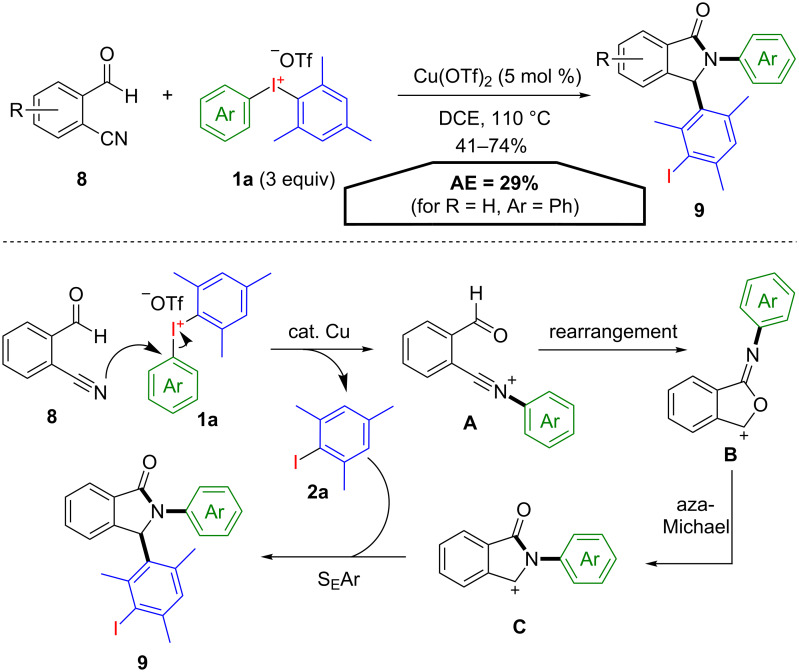
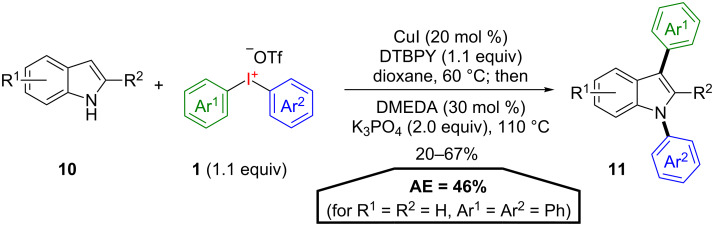
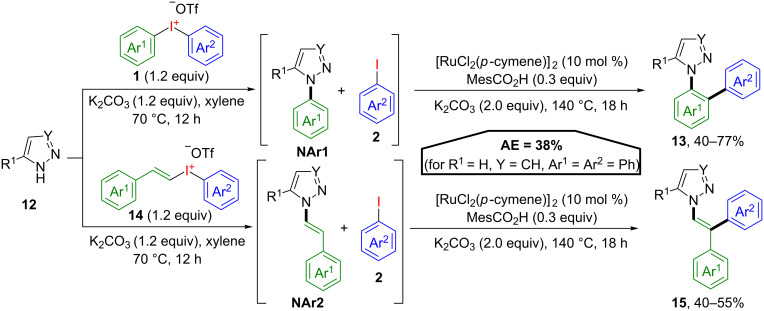
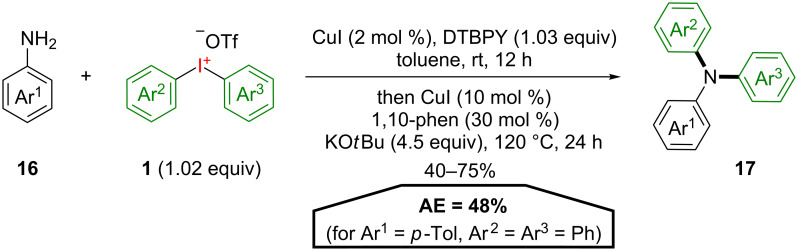
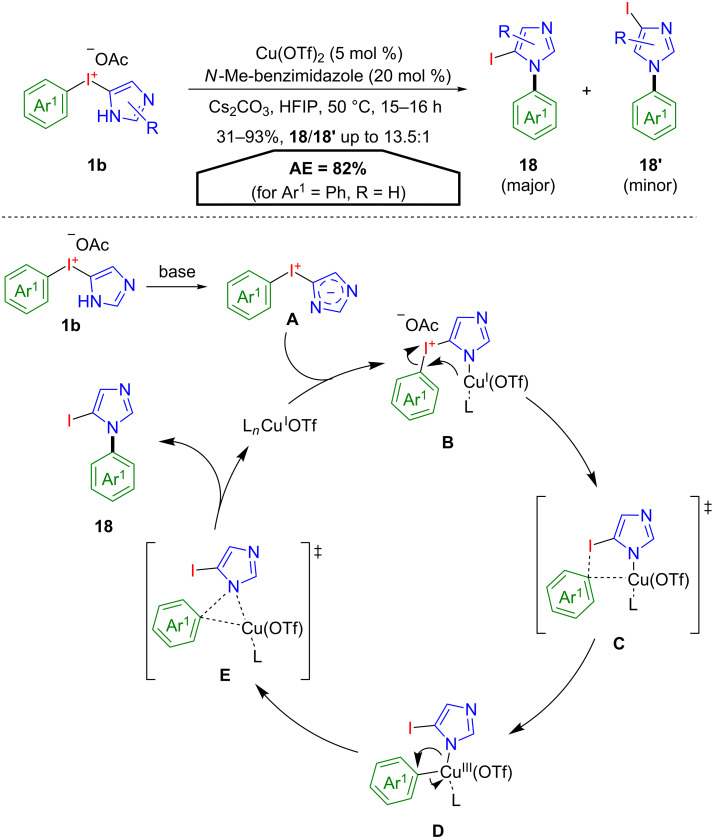
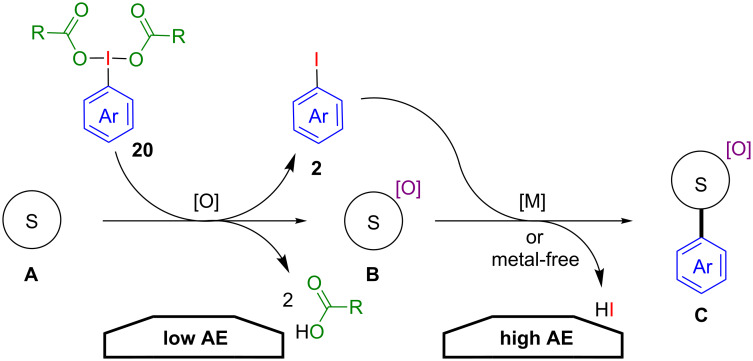
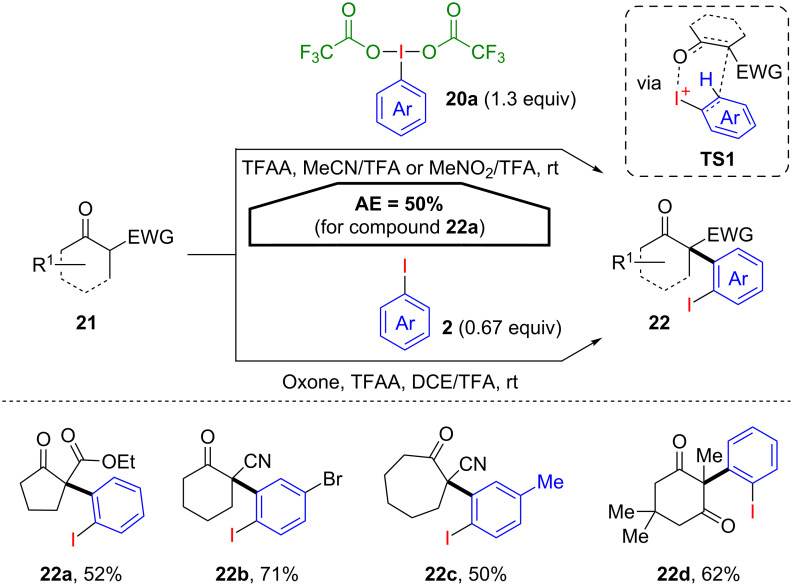
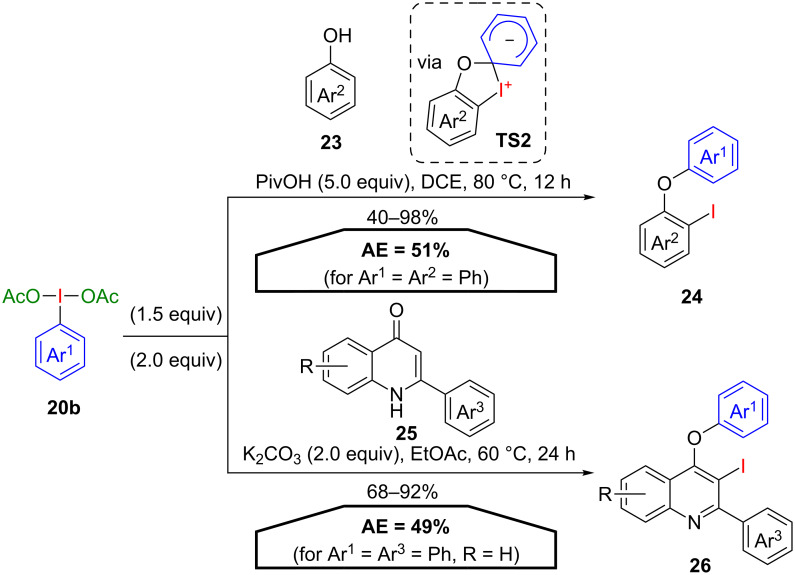
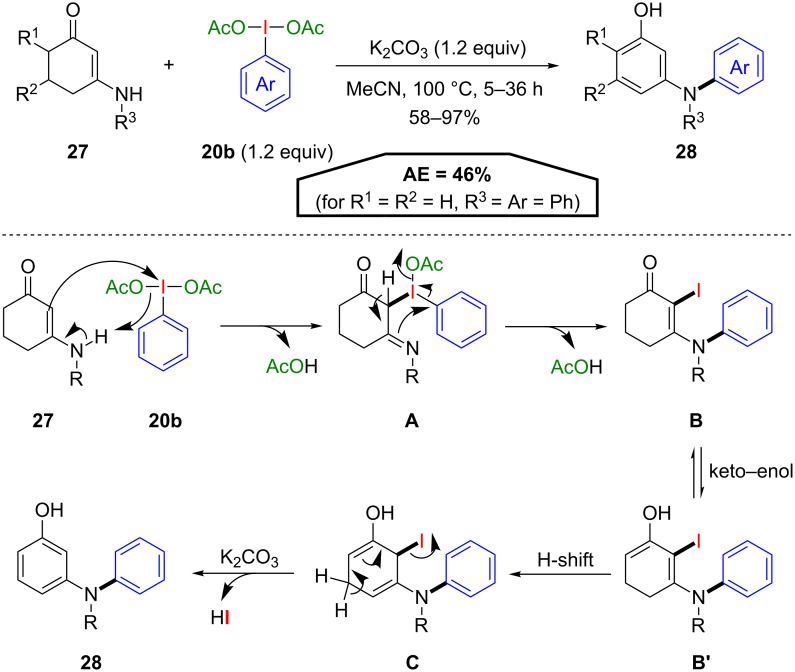
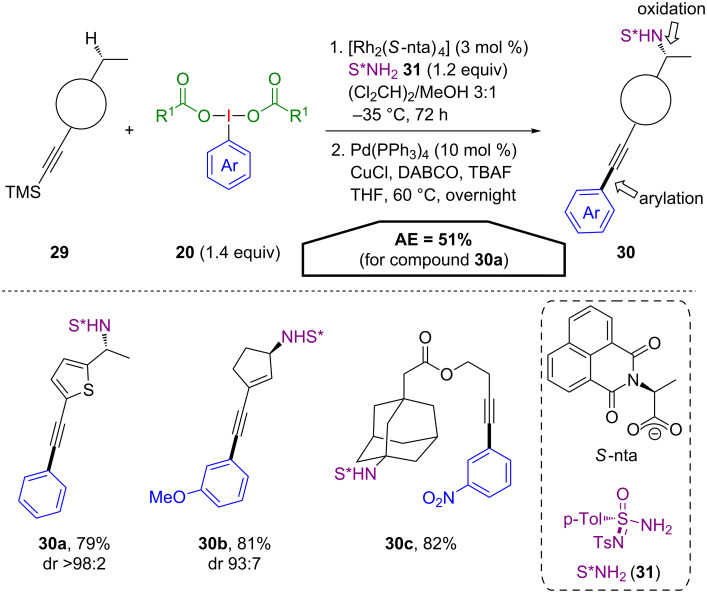
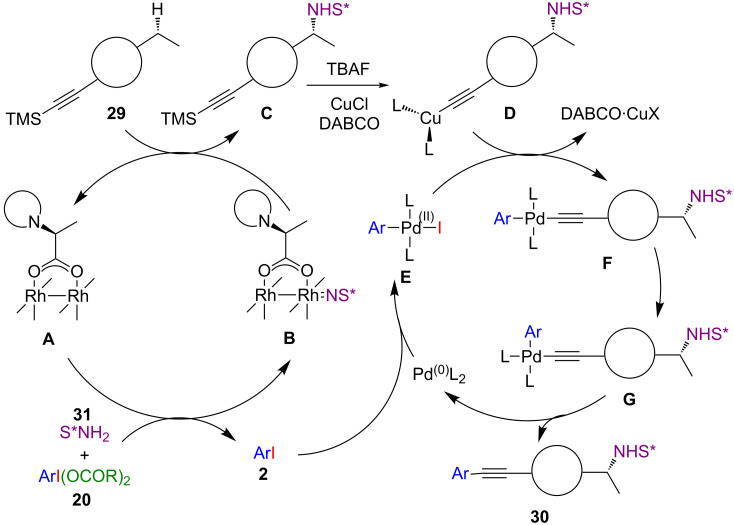
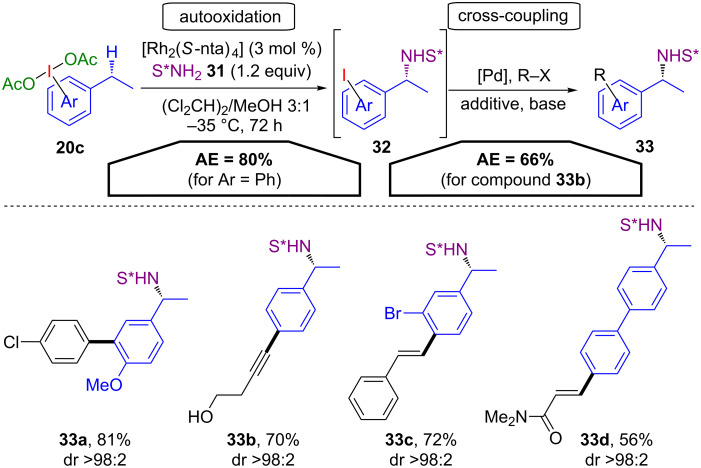
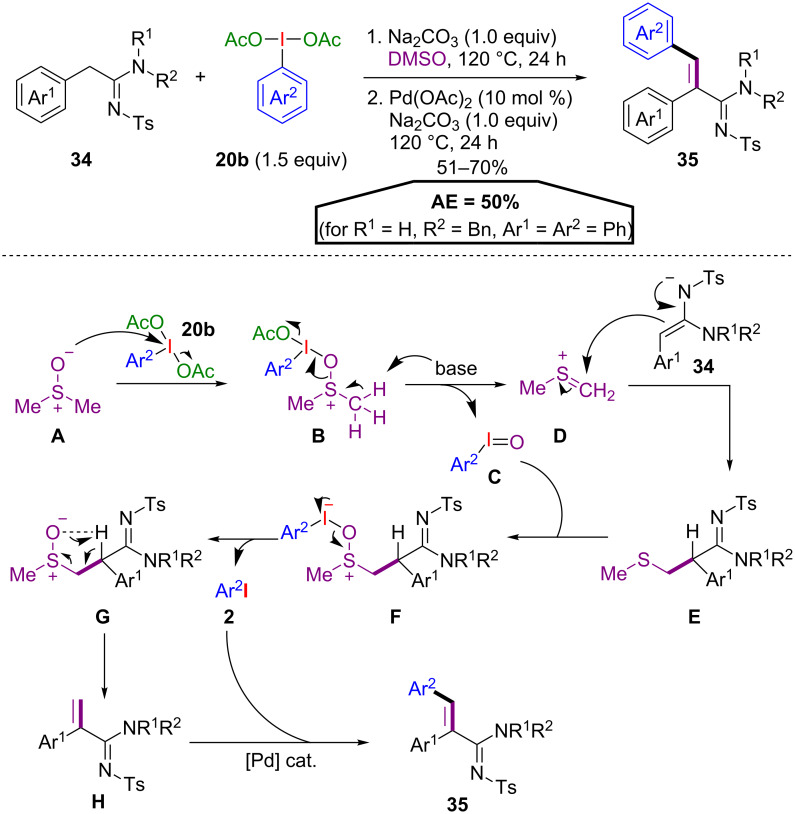
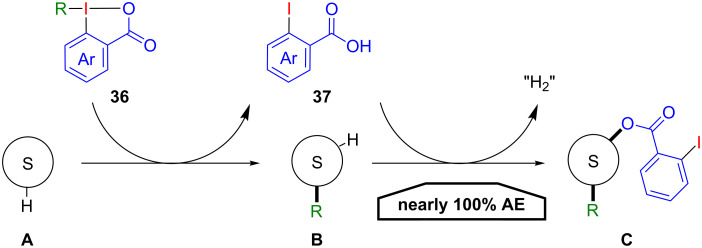
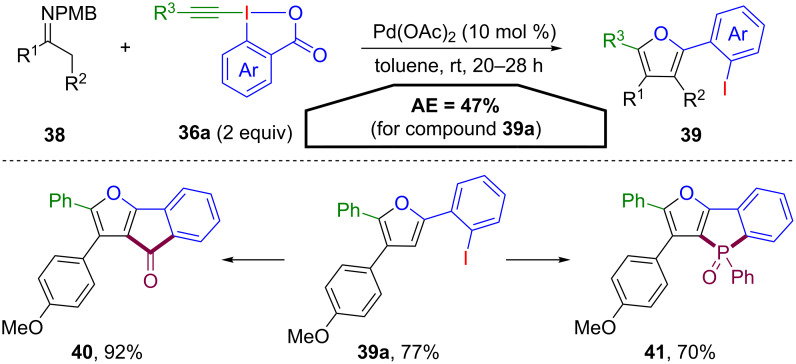
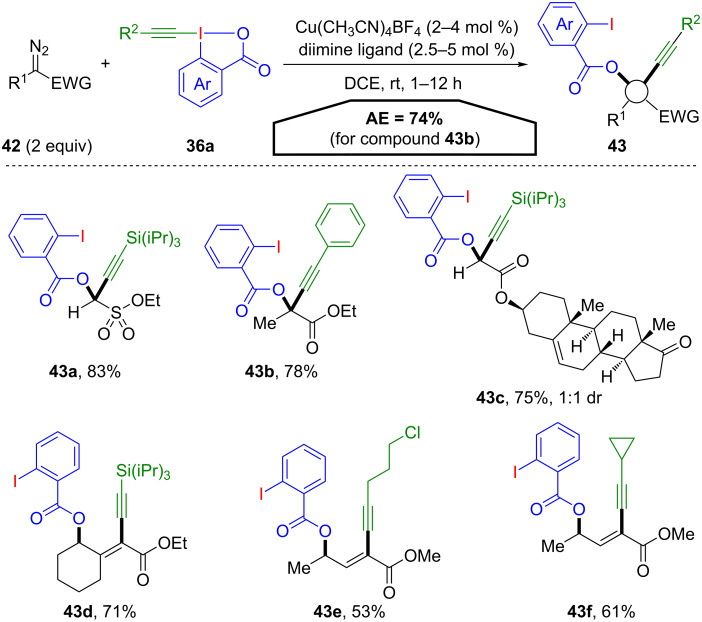
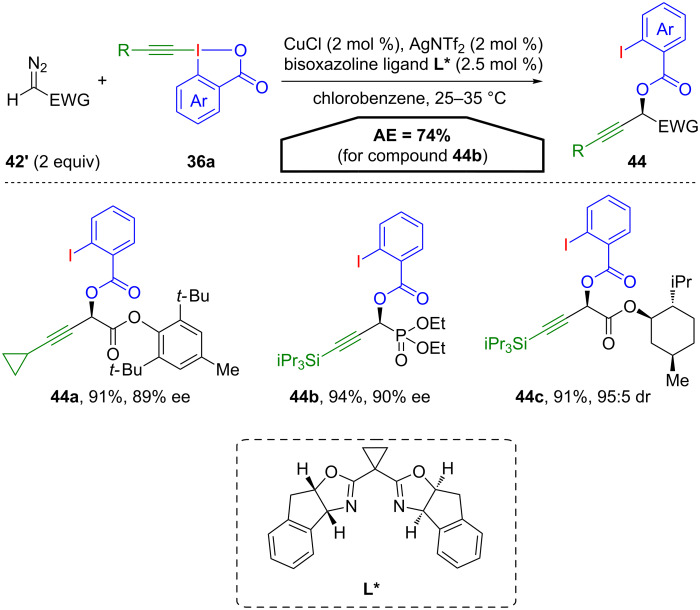
Hypervalent iodine compounds, in particular aryl-λ-iodanes, have been used extensively as electrophilic group-transfer reagents. Even though these compounds are superior substrates in terms of reactivity and stability, their utilization is accompanied by stoichiometric amounts of an aryl iodide as waste. This highly nonpolar side product can be tedious to separate from the desired target molecules and significantly reduces the overall atom efficiency of these transformations. In this short review, we want to give a brief summary of recently developed methods, in which this arising former waste is used as an additional reagent in cascade transformations to generate multiple substituted products in one step and with high atom efficiency.
高价碘化合物,特别是芳基-λ-碘烷,已被广泛用作亲电基团转移试剂。尽管这些化合物在反应性和稳定性方面是优良的底物,但它们的使用会伴随着化学计量的芳基碘作为废物产生。这种高度非极性的副产物从所需目标分子中分离可能很繁琐,并显著降低了这些转化反应的整体原子效率。在这篇简短的综述中,我们想简要总结一下最近开发的方法,即在串联反应中,将这种产生的原废物用作额外的试剂,一步生成多个取代产物,且具有高原子效率。