Laboratory of Neuropharmacology, Division of Oral Biology & Medicine, University of California, Los Angeles, CA, USA.
Department of Psychological & Brain Sciences, Indiana University, Bloomington, IN, USA.
Neuropharmacology. 2018 Sep 1;139:85-97. doi: 10.1016/j.neuropharm.2018.07.002. Epub 2018 Jul 5.
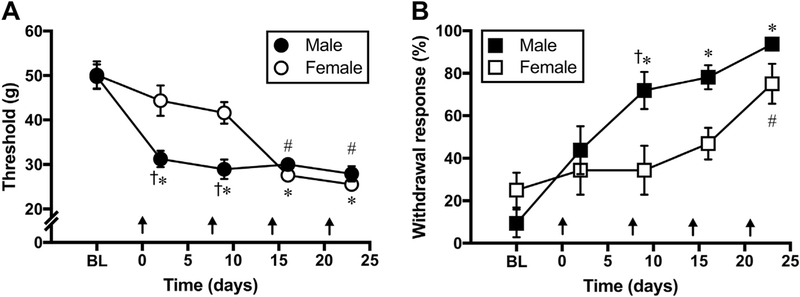
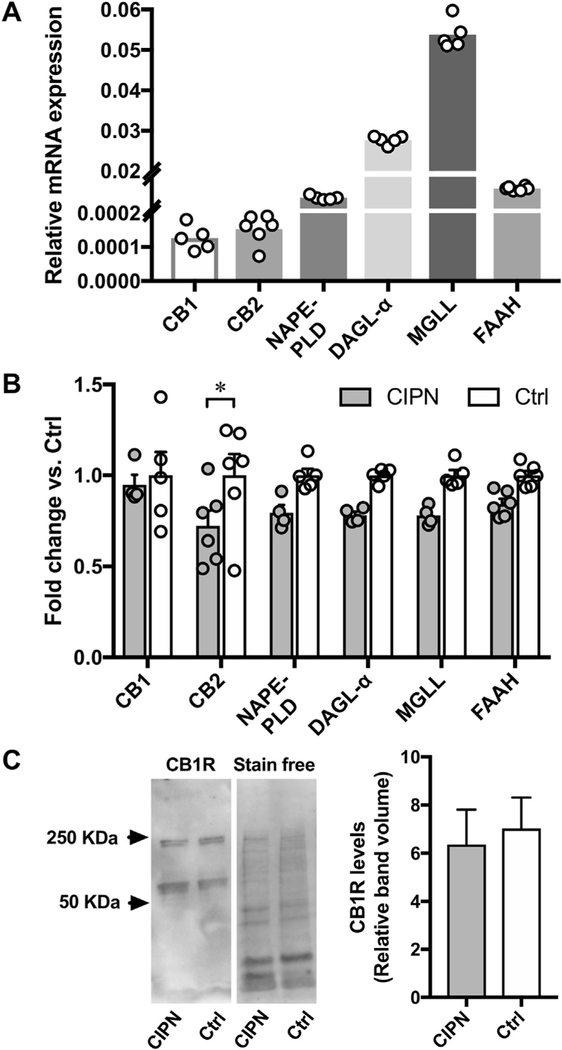
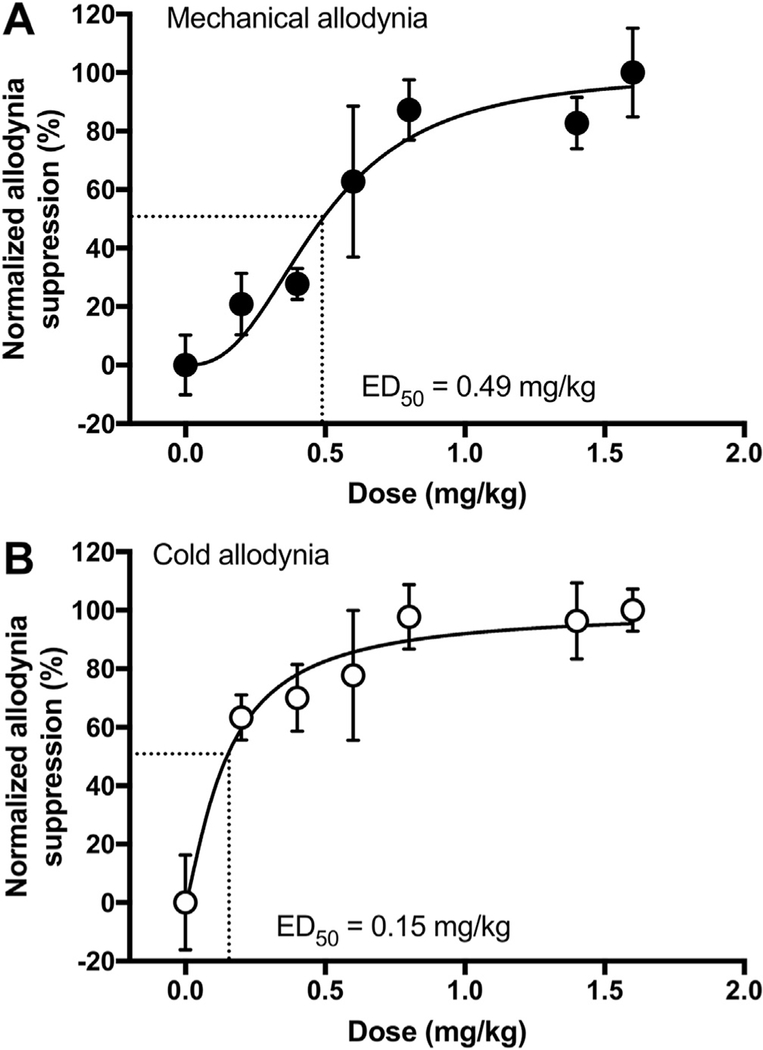
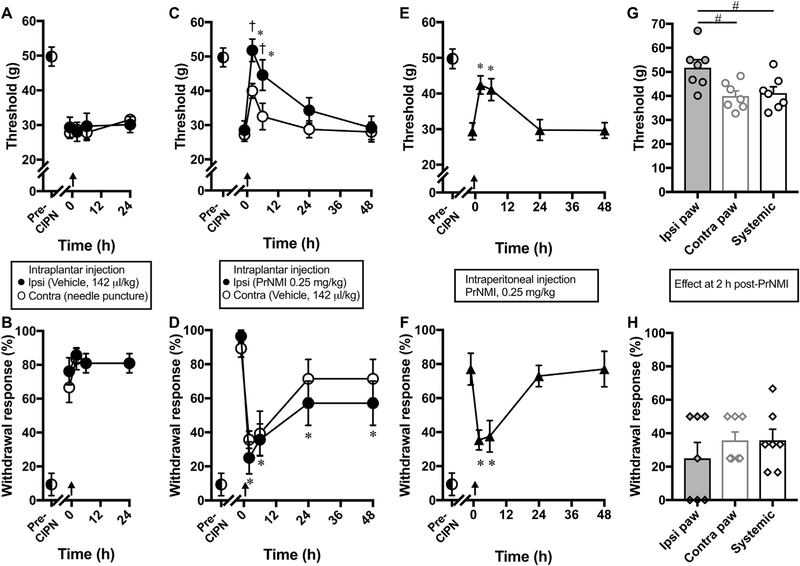
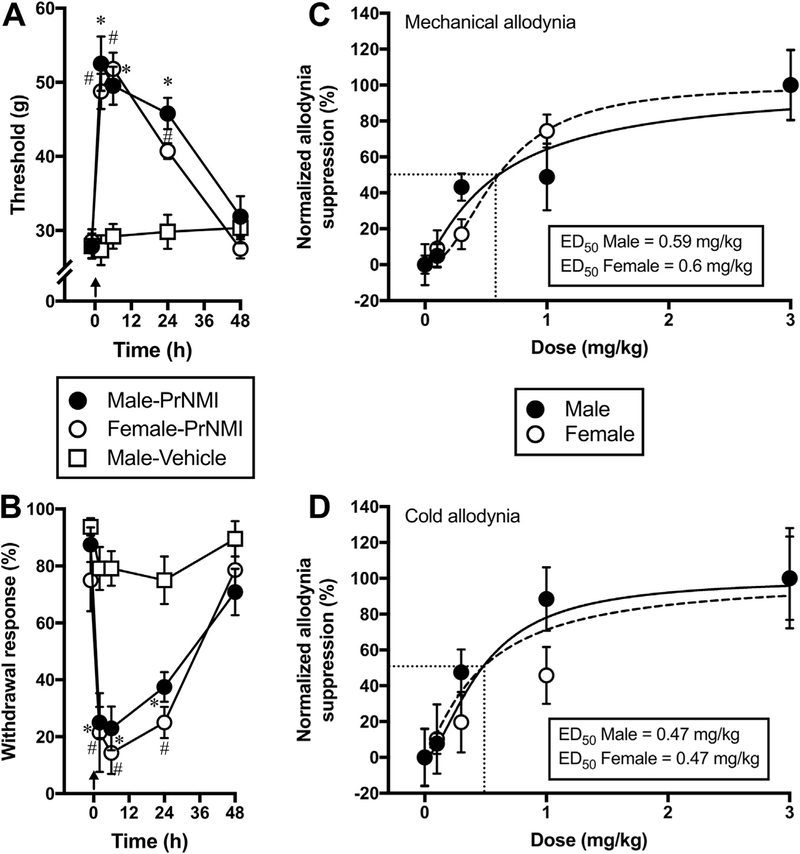
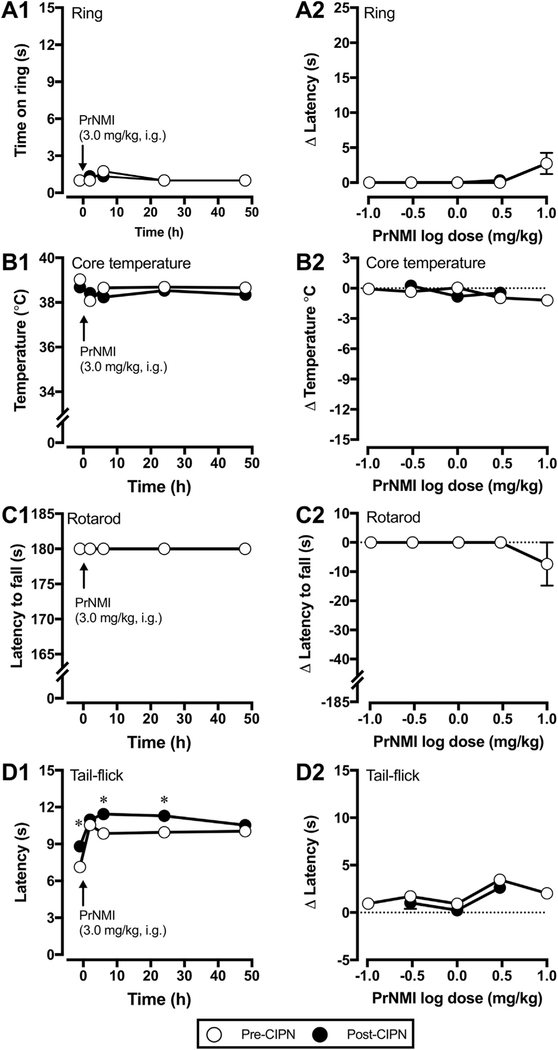
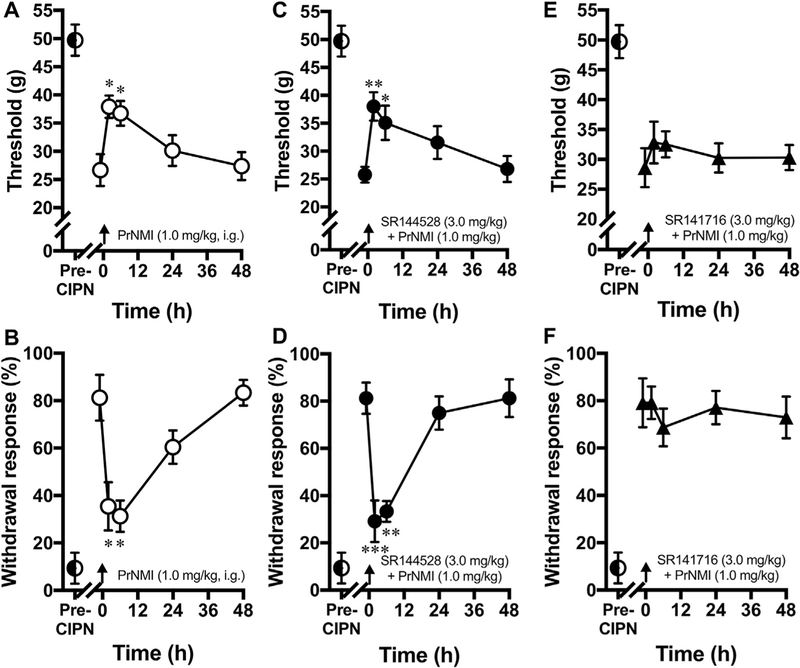
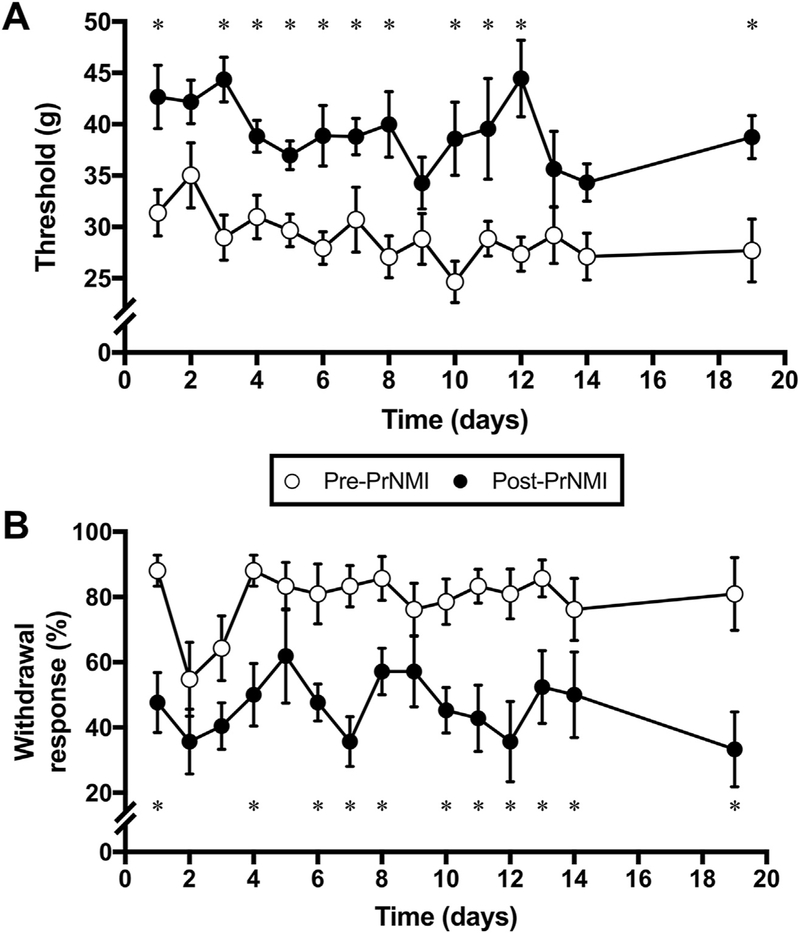
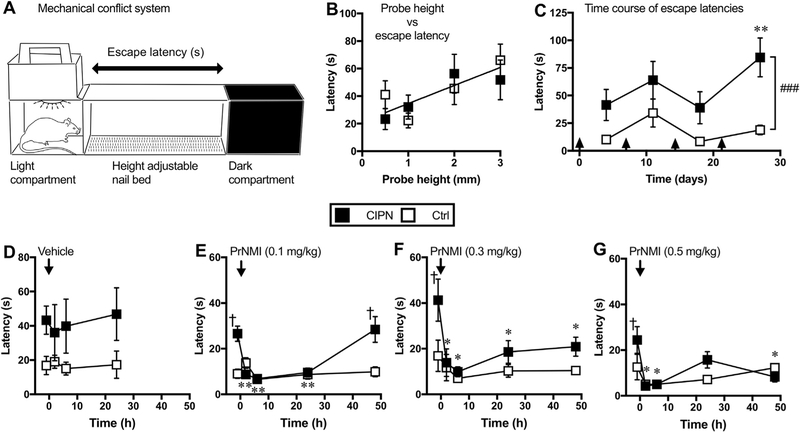
Chemotherapy-induced peripheral neuropathy (CIPN) is a severe and dose-limiting side effect of cancer treatment that affects millions of cancer survivors throughout the world and current treatment options are extremely limited by their side effects. Cannabinoids are highly effective in suppressing pain symptoms of chemotherapy-induced and other peripheral neuropathies but their widespread use is limited by central nervous system (CNS)-mediated side effects. Here, we tested one compound from a series of recently developed synthetic peripherally restricted cannabinoids (PRCBs) in a rat model of cisplatin-induced peripheral neuropathy. Results show that local or systemic administration of 4-{2-[-(1E)-1[(4-propylnaphthalen-1-yl)methylidene]-1H-inden-3-yl]ethyl}morpholine (PrNMI) dose-dependently suppressed CIPN mechanical and cold allodynia. Orally administered PrNMI also dose-dependently suppressed CIPN allodynia symptoms in both male and female rats without any CNS side effects. Co-administration with selective cannabinoid receptor subtype blockers revealed that PrNMI's anti-allodynic effects are mediated by CB1 receptor (CB1R) activation. Expression of CB2Rs was reduced in dorsal root ganglia from CIPN rats, whereas expression of CB1Rs and various endocannabinoid synthesizing and metabolizing enzymes was unaffected. Daily PrNMI treatment of CIPN rats for two weeks showed a lack of appreciable tolerance to PrNMI's anti-allodynic effects. In an operant task which reflects cerebral processing of pain, PrNMI also dose-dependently suppressed CIPN pain behaviors. Our results demonstrate that PRCBs exemplified by PrNMI may represent a viable option for the treatment of CIPN pain symptoms.
化疗引起的周围神经病(CIPN)是癌症治疗的一种严重且剂量限制的副作用,影响着全世界数以百万计的癌症幸存者,而目前的治疗选择因其副作用而极为有限。大麻素在抑制化疗引起的和其他周围神经病的疼痛症状方面非常有效,但由于中枢神经系统(CNS)介导的副作用,其广泛应用受到限制。在这里,我们在顺铂诱导的周围神经病大鼠模型中测试了一系列最近开发的合成外周受限大麻素(PRCB)中的一种化合物。结果表明,局部或全身给予 4-{2-[-(1E)-1-[(4-丙基萘-1-基)亚甲基]-1H-茚-3-基]乙基}吗啉(PrNMI)可剂量依赖性地抑制 CIPN 机械性和冷性痛觉过敏。口服给予 PrNMI 也可剂量依赖性地抑制雄性和雌性大鼠的 CIPN 痛觉过敏症状,而无任何 CNS 副作用。与选择性大麻素受体亚型阻滞剂共同给药表明,PrNMI 的抗痛觉过敏作用是通过 CB1 受体(CB1R)激活介导的。CIPN 大鼠背根神经节中 CB2R 的表达减少,而 CB1R 和各种内源性大麻素合成和代谢酶的表达不受影响。对 CIPN 大鼠进行两周的每日 PrNMI 治疗显示,PrNMI 的抗痛觉过敏作用缺乏明显的耐受性。在反映大脑对疼痛的处理的操作性任务中,PrNMI 也可剂量依赖性地抑制 CIPN 疼痛行为。我们的结果表明,以 PrNMI 为代表的 PRCB 可能是治疗 CIPN 疼痛症状的可行选择。