1 Department of Neurology, Beijing Friendship Hospital, Capital Medical University, Beijing, China.
2 Experimental and Translational Research Center, Beijing Friendship Hospital, Beijing, China.
Cell Transplant. 2018 Apr;27(4):622-636. doi: 10.1177/0963689718771889.
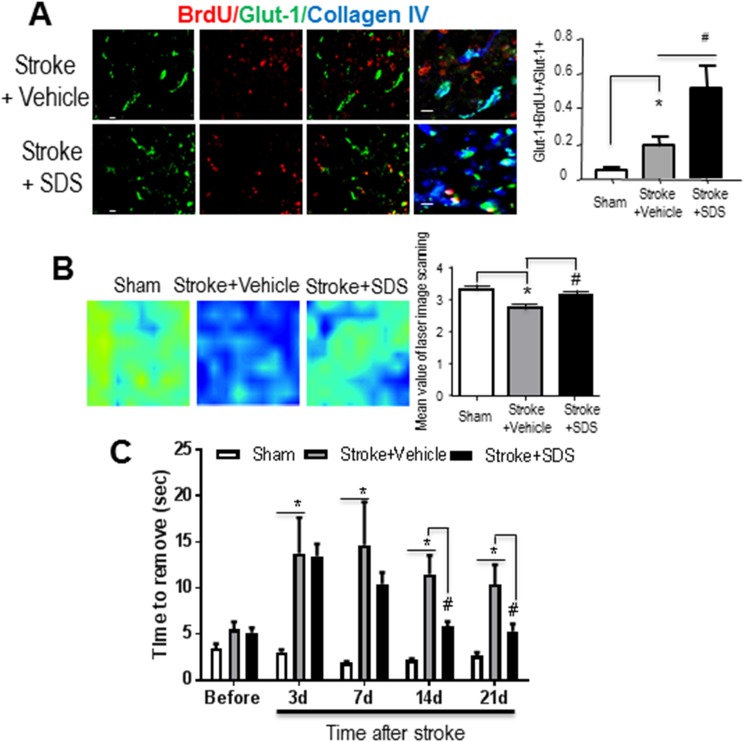
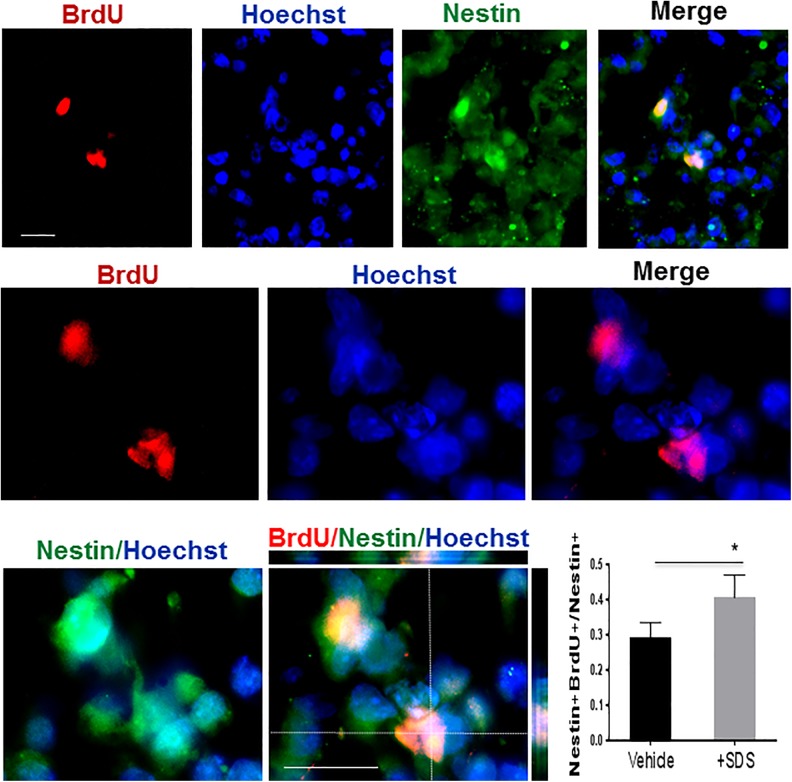
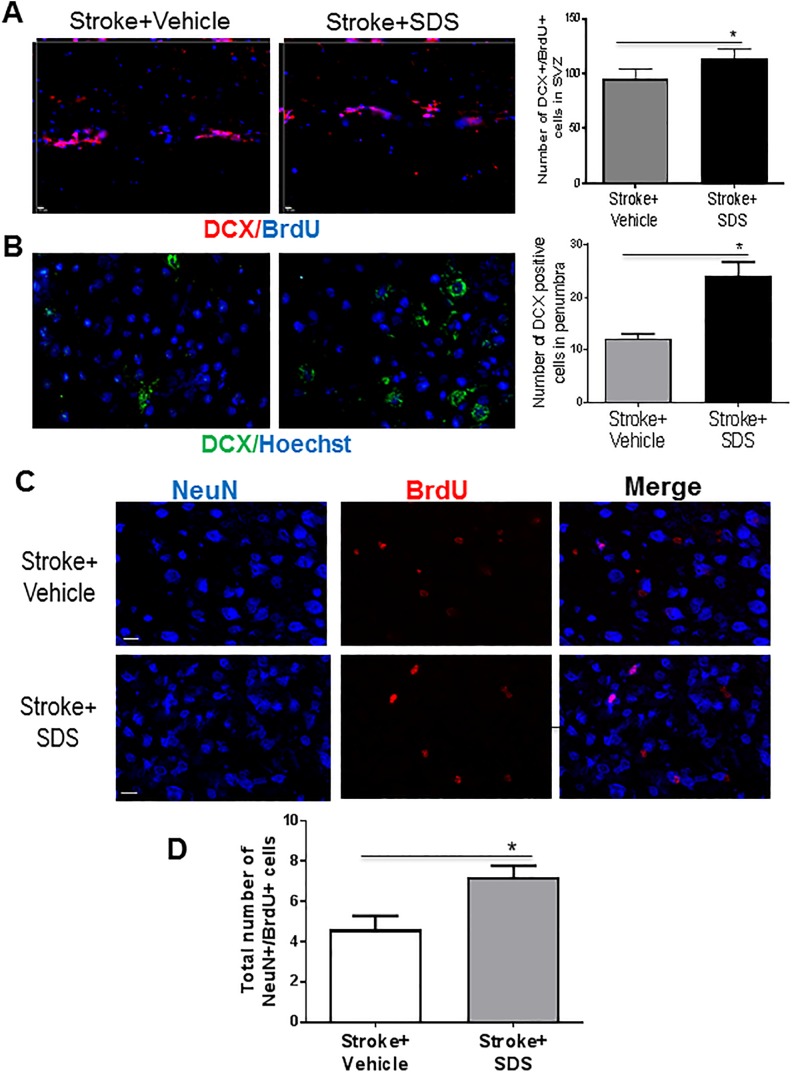
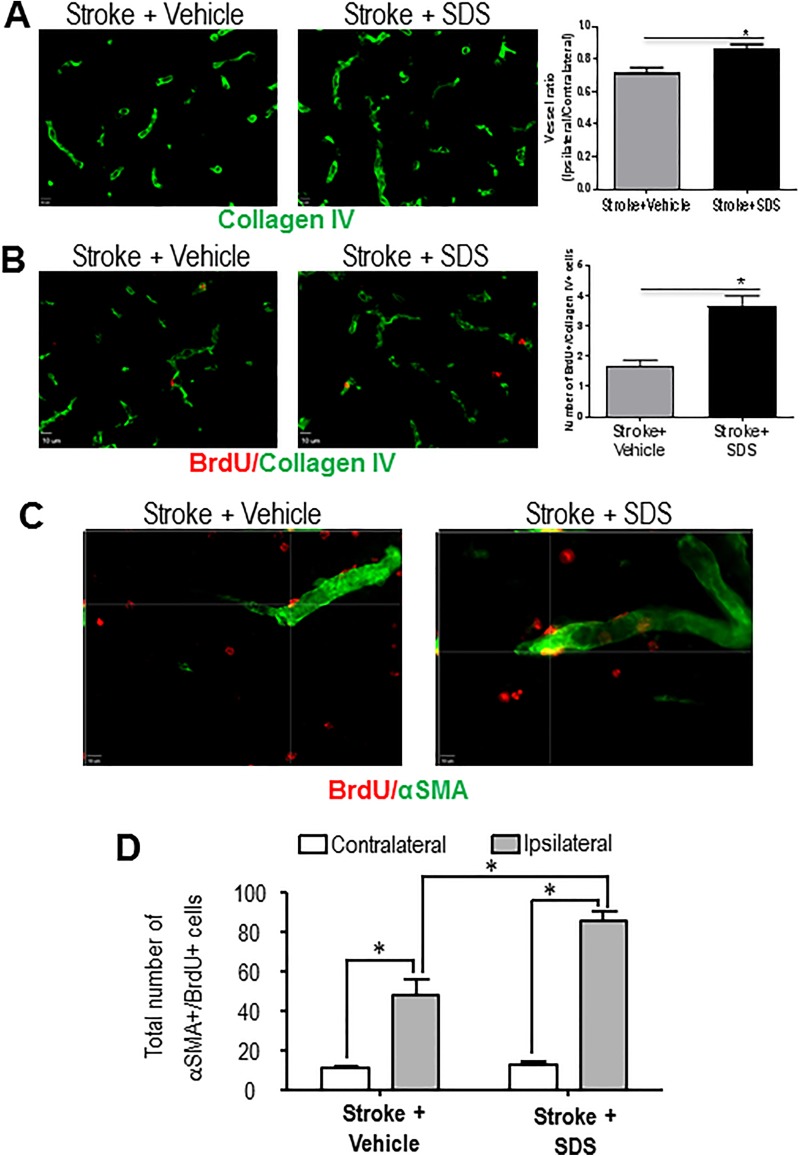
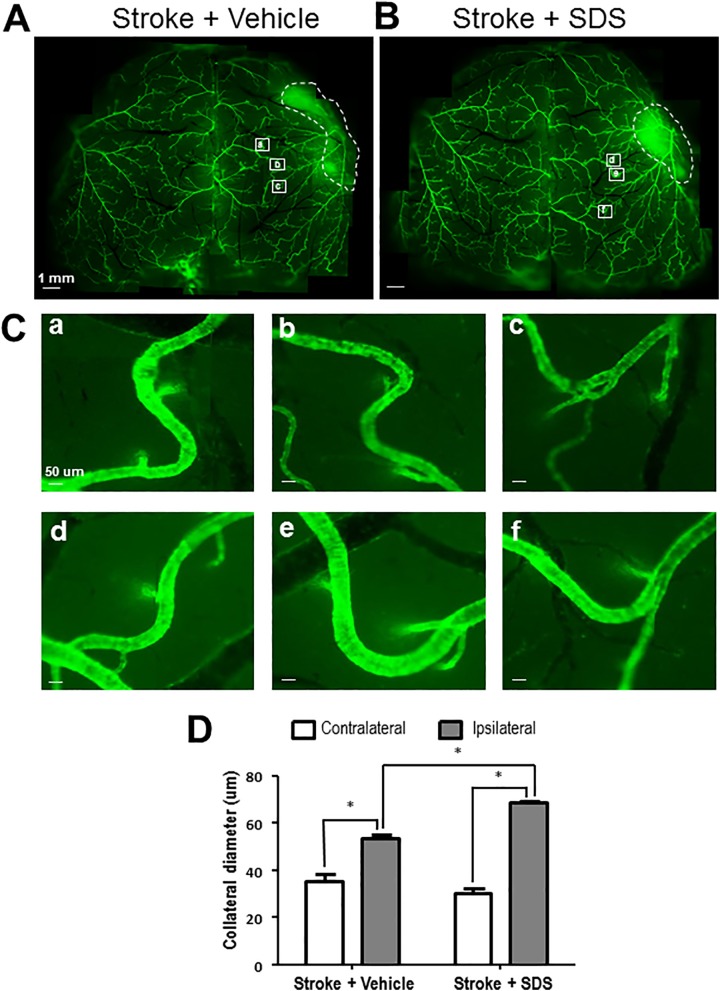
Ischemic stroke remains a serious threat to human life. There are limited effective therapies for the treatment of stroke. We have previously demonstrated that angiogenesis and neurogenesis in the brain play an important role in functional recovery following ischemic stroke. Recent studies indicate that increased arteriogenesis and collateral circulation are determining factors for restoring reperfusion and outcomes of stroke patients. Danshensu, the Salvia miltiorrhiza root extract, is used in treatments of various human ischemic events in traditional Chinese medicine. Its therapeutic mechanism, however, is not well clarified. Due to its proposed effect on angiogenesis and arteriogenesis, we hypothesized that danshensu could benefit stroke recovery through stimulating neurogenesis and collaterogenesis in the post-ischemia brain. Focal ischemic stroke targeting the right sensorimotor cortex was induced in wild-type C57BL6 mice and transgenic mice expressing green fluorescent protein (GFP) to label smooth muscle cells of brain arteries. Sodium danshensu (SDS, 700 mg/kg) was administered intraperitoneally (i.p.) 10 min after stroke and once daily until animals were sacrificed. To label proliferating cells, 5-bromo-2'-deoxyuridine (BrdU; 50 mg/kg, i.p.) was administered, starting on day 3 after ischemia and continued once daily until sacrifice. At 14 days after stroke, SDS significantly increased the expression of vascular endothelial growth factor (VEGF), stromal-derived factor-1 (SDF-1), brain-derived neurotrophic factor (BDNF), and endothelial nitric oxide synthase (eNOS) in the peri-infarct region. SDS-treated animals showed increased number of doublecortin (DCX)-positive cells. Greater numbers of proliferating endothelial cells and smooth muscle cells were detected in SDS-treated mice 21 days after stroke in comparison with vehicle controls. The number of newly formed neurons labeled by NeuN and BrdU antibodies increased in SDS-treated mice 28 days after stroke. SDS significantly increased the newly formed arteries and the diameter of collateral arteries, leading to enhanced local cerebral blood flow recovery after stroke. These results suggest that systemic sodium danshensu treatment shows significant regenerative effects in the post-ischemic brain, which may benefit long-term functional recovery from ischemic stroke.
缺血性中风仍然是对人类生命的严重威胁。目前针对中风的治疗方法有限,疗效并不理想。我们之前的研究表明,脑内的血管生成和神经发生在缺血性中风后的功能恢复中起着重要作用。最近的研究表明,增加动脉生成和侧支循环是恢复再灌注和中风患者治疗效果的决定因素。丹参素是丹参的根提取物,在中国传统医学中用于治疗各种人类缺血性疾病。然而,其治疗机制尚不清楚。由于其对血管生成和动脉生成的作用,我们假设丹参素可以通过刺激缺血后脑中的神经发生和侧支发生来改善中风后的恢复。采用右侧感觉运动皮层局灶性缺血性中风模型,在野生型 C57BL6 小鼠和表达绿色荧光蛋白(GFP)以标记脑动脉平滑肌细胞的转基因小鼠中诱导缺血性中风。中风后 10 分钟,腹腔内(i.p.)给予丹参素钠(SDS,700mg/kg),每天 1 次,直至动物处死。为了标记增殖细胞,从缺血后第 3 天开始,每天腹腔内(i.p.)给予 5-溴-2'-脱氧尿苷(BrdU;50mg/kg),直至处死。中风后 14 天,SDS 显著增加了梗死周围区域血管内皮生长因子(VEGF)、基质衍生因子-1(SDF-1)、脑源性神经营养因子(BDNF)和内皮型一氧化氮合酶(eNOS)的表达。SDS 治疗的动物显示双皮质素(DCX)阳性细胞数量增加。与对照组相比,SDS 治疗的小鼠在中风后 21 天检测到更多的增殖内皮细胞和平滑肌细胞。中风后 28 天,用 NeuN 和 BrdU 抗体标记的新神经元数量增加。SDS 显著增加了新形成的动脉和侧支动脉的直径,导致中风后局部脑血流恢复增加。这些结果表明,系统给予丹参素钠治疗在缺血后大脑中具有显著的再生作用,可能有益于缺血性中风的长期功能恢复。