Department of Biochemistry and Biophysics, University of California, San Francisco, San Francisco, United States.
Howard Hughes Medical Institute, San Francisco, United States.
Elife. 2018 Jul 9;7:e35388. doi: 10.7554/eLife.35388.
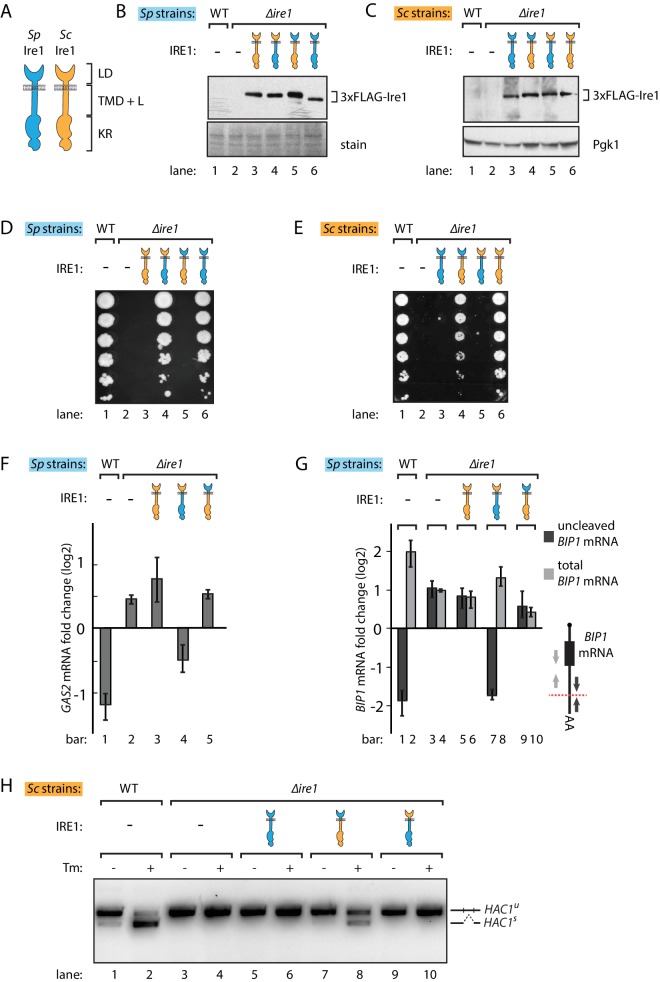
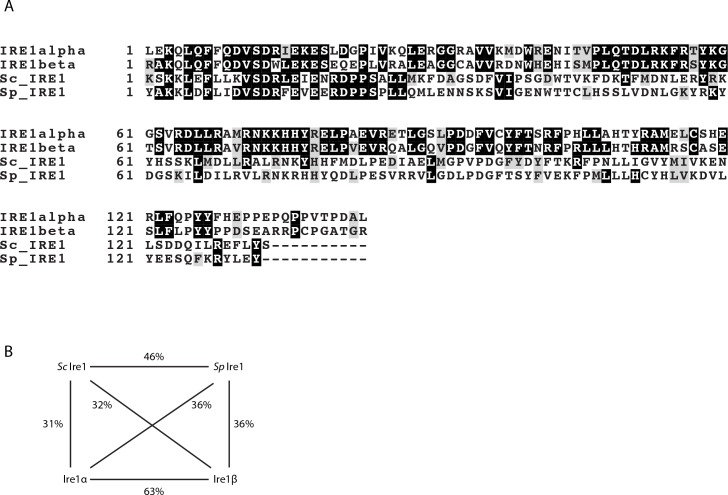
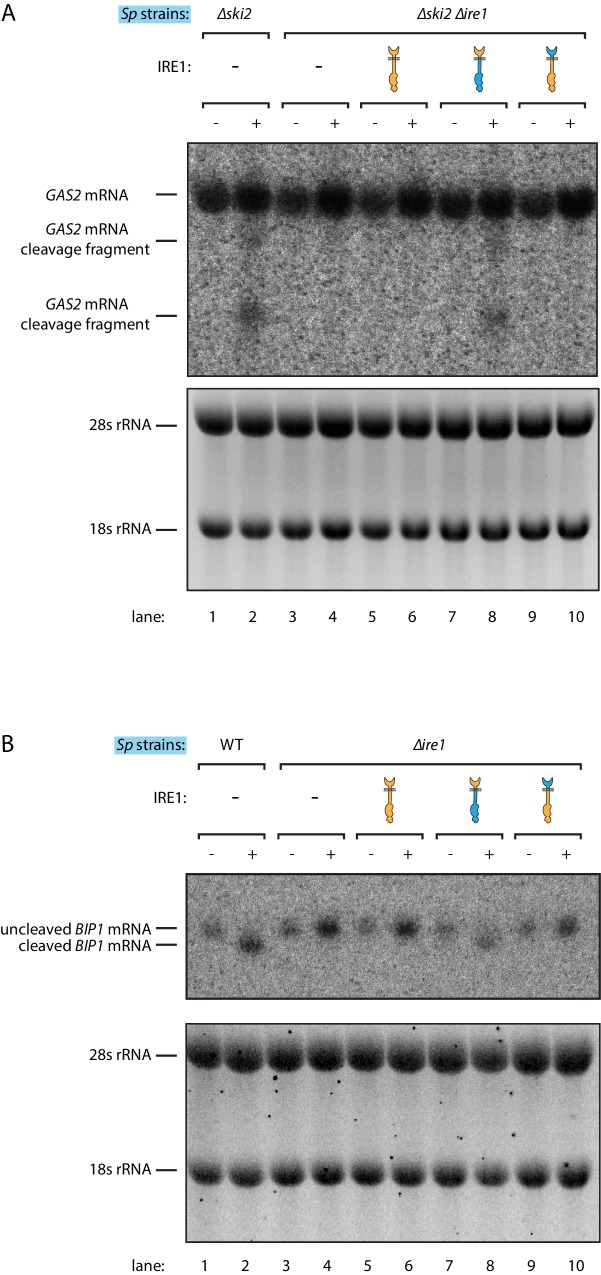
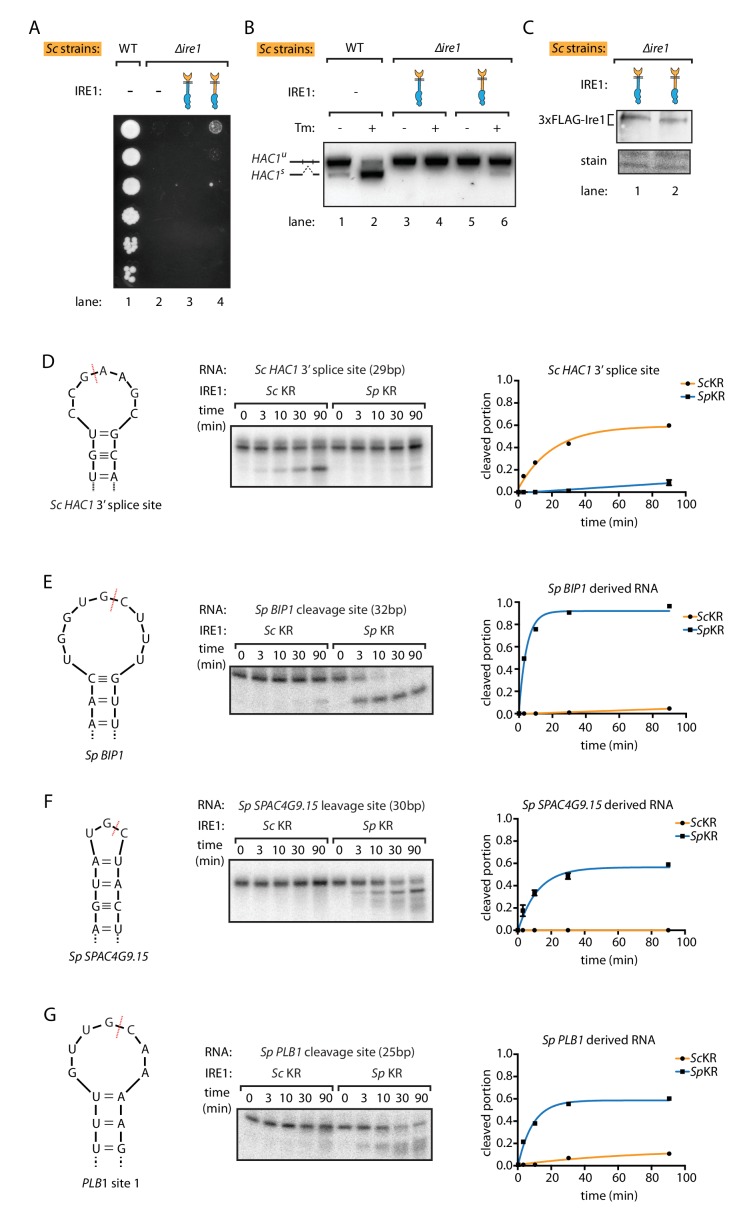
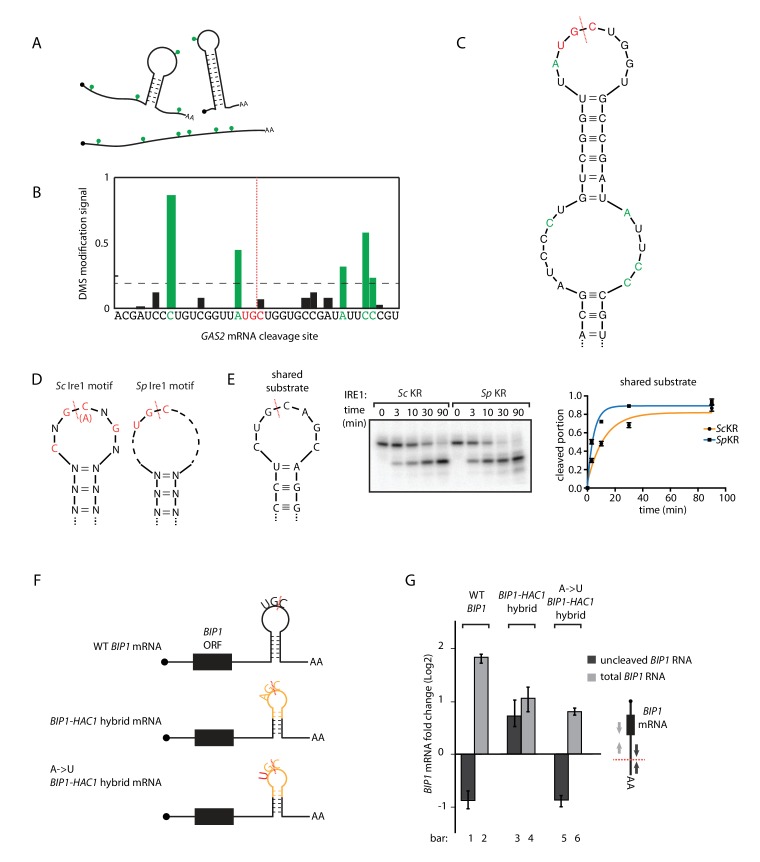
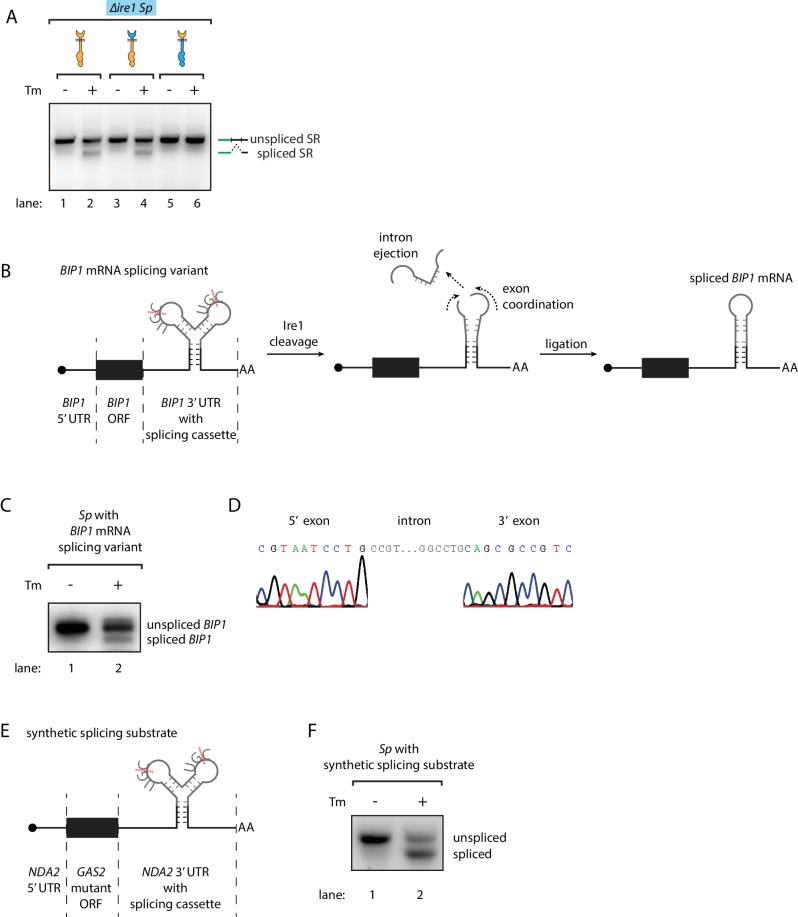
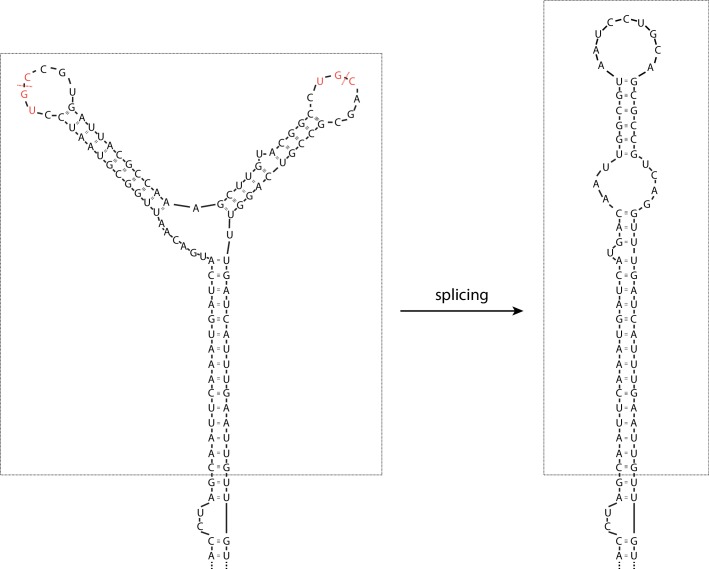
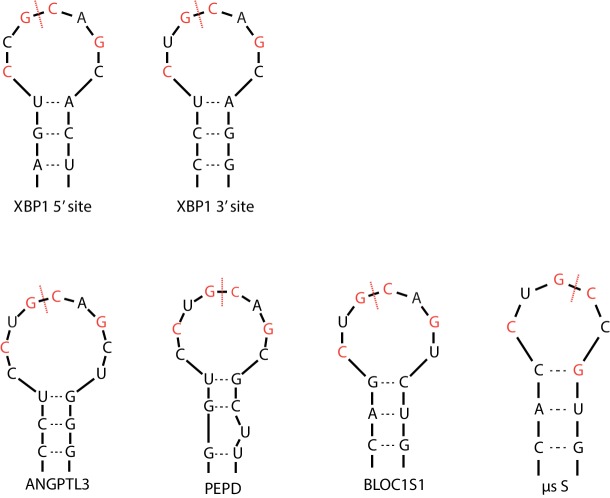
The endoplasmic reticulum (ER) protein folding capacity is balanced with the protein folding burden to prevent accumulation of un- or misfolded proteins. The ER membrane-resident kinase/RNase Ire1 maintains ER protein homeostasis through two fundamentally distinct processes. First, Ire1 can initiate a transcriptional response through a non-conventional mRNA splicing reaction to increase the ER folding capacity. Second, Ire1 can decrease the ER folding burden through selective mRNA decay. In and the two Ire1 functions have been evolutionarily separated. Here, we show that the respective Ire1 orthologs have become specialized for their functional outputs by divergence of their RNase specificities. In addition, RNA structural features separate the splicing substrates from the decay substrates. Using these insights, we engineered an Ire1 cleavage substrate into a splicing substrate, which confers with both Ire1 functional outputs.
内质网(ER)蛋白折叠能力与蛋白折叠负担相平衡,以防止未折叠或错误折叠蛋白的积累。内质网驻膜激酶/RNase Ire1 通过两种基本不同的过程来维持内质网蛋白的稳态。首先,Ire1 可以通过非传统的 mRNA 剪接反应启动转录反应,从而增加内质网的折叠能力。其次,Ire1 可以通过选择性的 mRNA 降解来降低内质网的折叠负担。在 和 中,Ire1 的这两种功能已经在进化上被分离。在这里,我们表明,各自的 Ire1 直系同源物通过其 RNase 特异性的差异已经专门化用于其功能输出。此外,RNA 结构特征将剪接底物与降解底物分开。利用这些见解,我们将一个 Ire1 切割底物设计成一个剪接底物,该底物赋予 与 Ire1 的两种功能输出。