Key Laboratory of Vegetable Postharvest Processing, Ministry of Agriculture, Beijing Vegetable Research Center, Beijing Academy of Agriculture and Forestry Sciences, Beijing 100097, China.
Beijing Key Laboratory of Fruits and Vegetable Storage and Processing, Beijing Vegetable Research Center, Beijing Academy of Agriculture and Forestry Sciences, Beijing 100097, China.
Int J Mol Sci. 2018 Jul 9;19(7):2001. doi: 10.3390/ijms19072001.
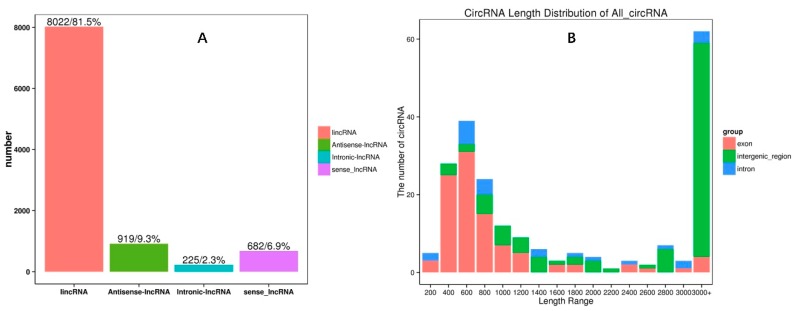
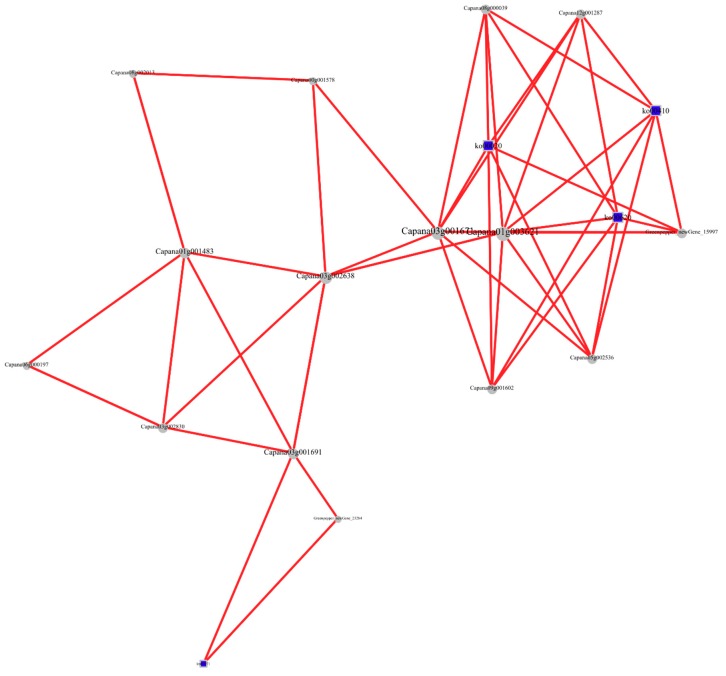
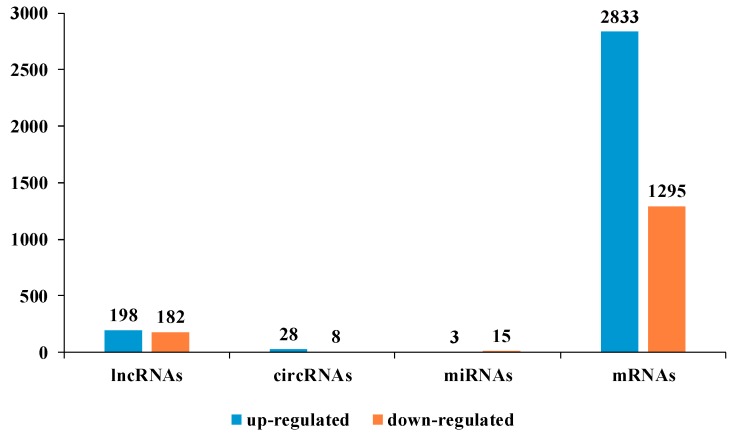
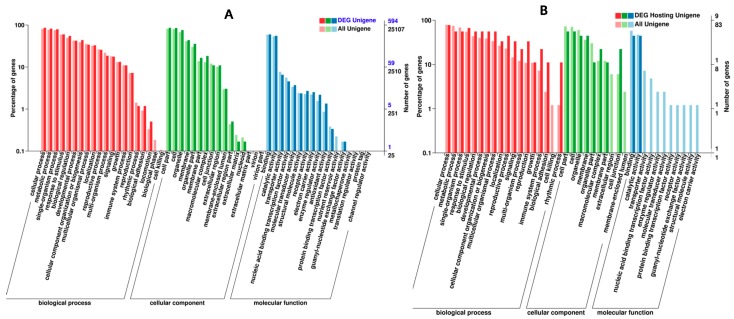
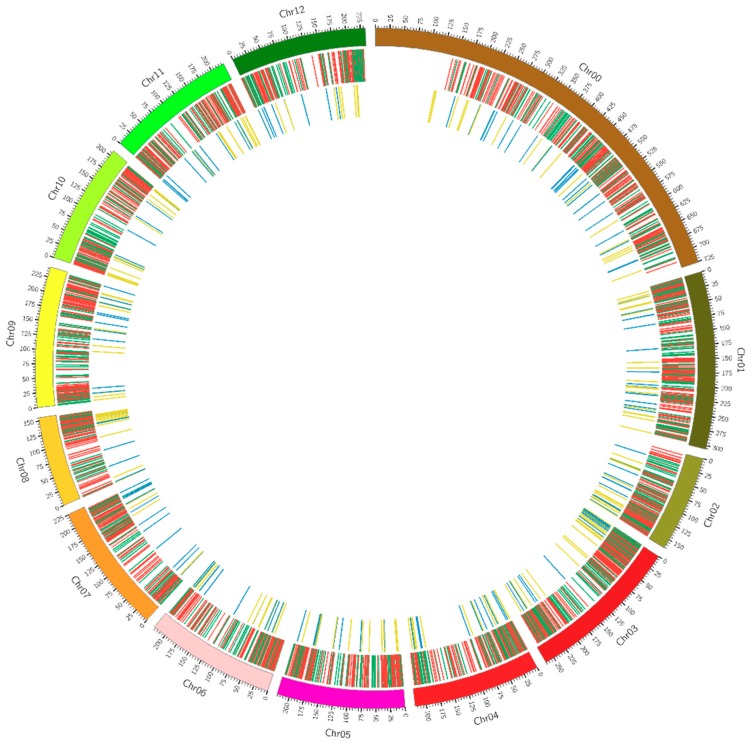
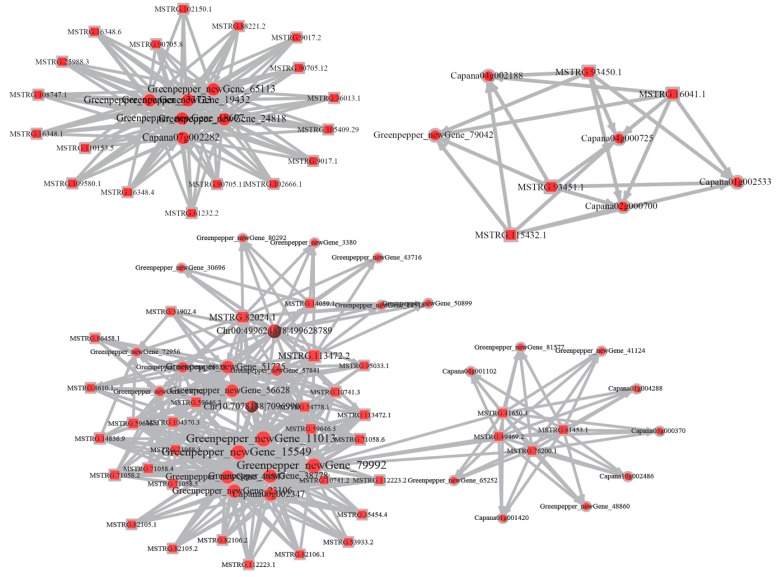
Increasing evidence suggests that long non-coding RNAs (lncRNAs), circular RNAs (circRNAs), and microRNAs (miRNAs) have roles during biotic and abiotic stress, though their exact contributions remain unclear. To explore their biological functions in response to chilling in bell pepper, we examined their accumulation profiles by deep sequencing and identified 380 lncRNAs, 36 circRNAs, 18 miRNAs, and 4128 differentially expressed mRNAs in the chilled versus the non-chilled fruit. Gene ontology (GO) and Kyoto Encyclopedia of Genes and Genomes (KEGG) analyses revealed differentially expressed genes and putative ncRNA targets, including transcription factors of multiple classes, such as myeloblastosis (MYB), basic helix-loop-helix (bHLH), and ethylene response factor (ERF) transcription factors (TFs), enzymes involved in bio-oxidation and oxidative phosphorylation (serine/threonine-protein kinase, polyphenol oxidase, catalase, peroxidase, lipoxygenase, and ATPase), and cell wall metabolism-related enzymes (beta-galactosidase, pectate lyase, pectinesterase, and polygalacturonase). On the basis of the accumulation profiles, a network of putatively interacting RNAs associated with bell pepper chilling was developed, which pointed to ncRNAs that could provide the foundation for further developing a more refined understanding of the molecular response to chilling injury.
越来越多的证据表明,长非编码 RNA(lncRNA)、环状 RNA(circRNA)和 microRNA(miRNA)在生物和非生物胁迫中发挥作用,尽管它们的确切贡献仍不清楚。为了探索它们在辣椒冷胁迫响应中的生物学功能,我们通过深度测序检测了它们的积累谱,在冷胁迫和非冷胁迫的果实中分别鉴定出 380 个 lncRNA、36 个 circRNA、18 个 miRNA 和 4128 个差异表达的 mRNA。基因本体论(GO)和京都基因与基因组百科全书(KEGG)分析揭示了差异表达的基因和潜在的 ncRNA 靶标,包括多个类别的转录因子,如髓样细胞瘤(MYB)、碱性螺旋-环-螺旋(bHLH)和乙烯响应因子(ERF)转录因子(TFs)、参与生物氧化和氧化磷酸化的酶(丝氨酸/苏氨酸蛋白激酶、多酚氧化酶、过氧化氢酶、过氧化物酶、脂氧合酶和 ATP 酶)和细胞壁代谢相关酶(β-半乳糖苷酶、果胶裂解酶、果胶酯酶和多聚半乳糖醛酸酶)。基于积累谱,开发了一个与辣椒冷胁迫相关的潜在相互作用 RNA 网络,该网络指出 ncRNA 可以为进一步深入了解对冷胁迫损伤的分子响应提供基础。