IEEE J Biomed Health Inform. 2019 Jan;23(1):407-415. doi: 10.1109/JBHI.2018.2810820. Epub 2018 Feb 28.
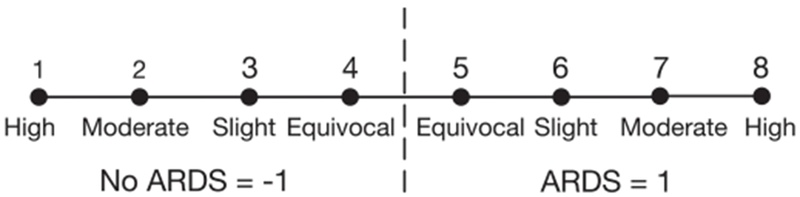
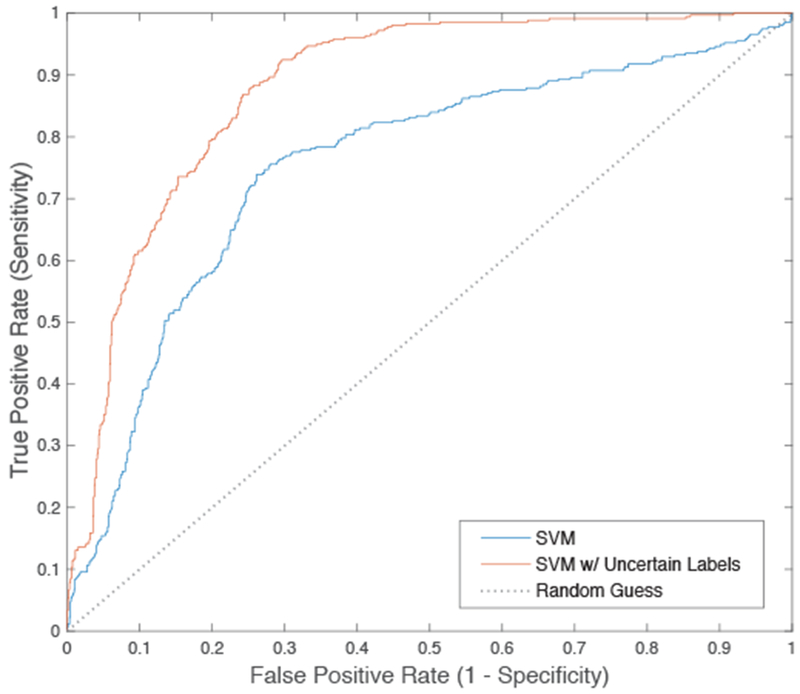
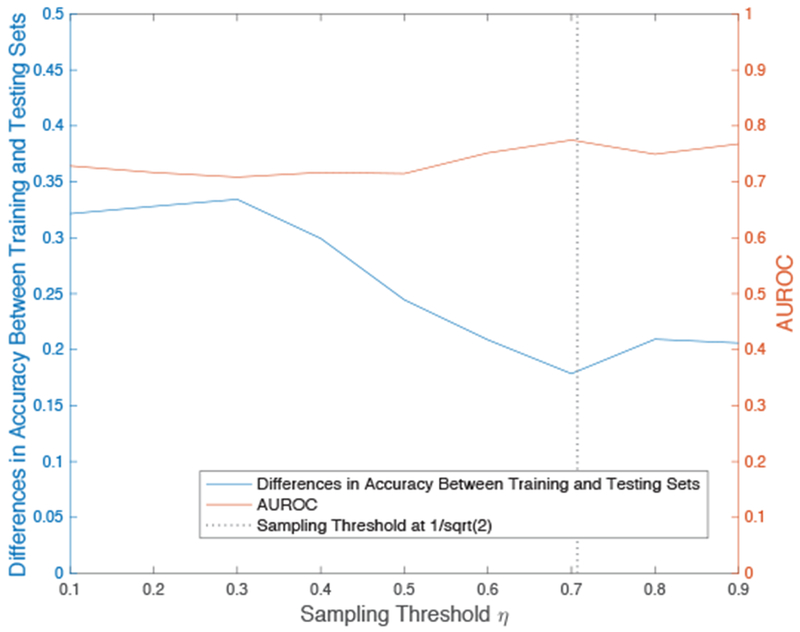
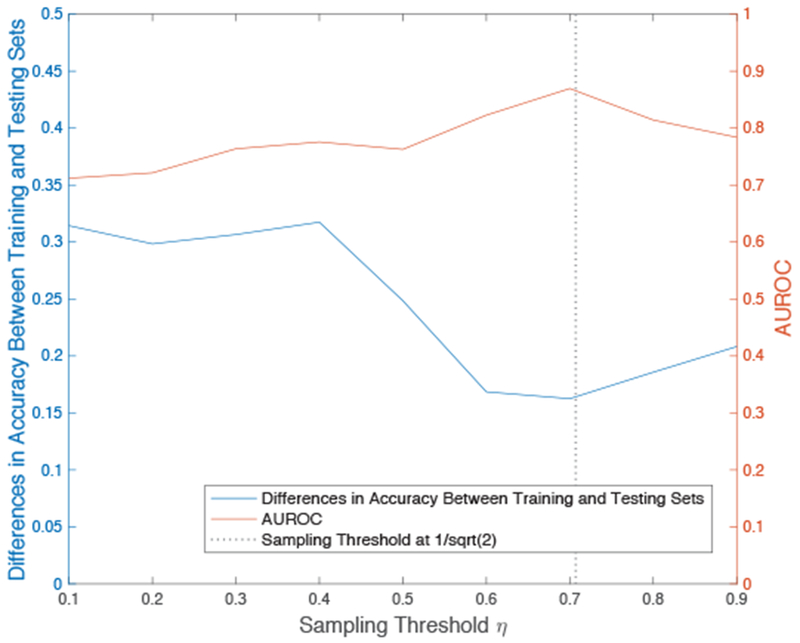
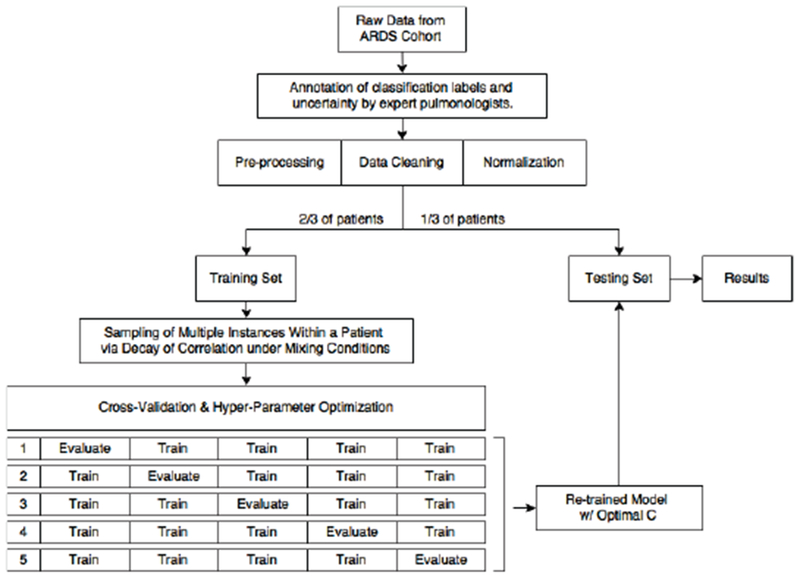
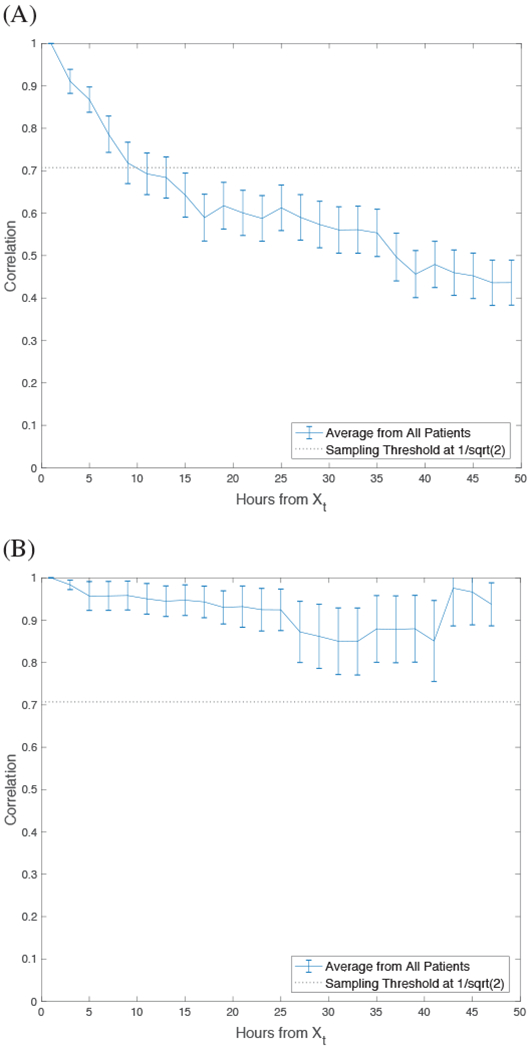
When training a machine learning algorithm for a supervised-learning task in some clinical applications, uncertainty in the correct labels of some patients may adversely affect the performance of the algorithm. For example, even clinical experts may have less confidence when assigning a medical diagnosis to some patients because of ambiguity in the patient's case or imperfect reliability of the diagnostic criteria. As a result, some cases used in algorithm training may be mislabeled, adversely affecting the algorithm's performance. However, experts may also be able to quantify their diagnostic uncertainty in these cases. We present a robust method implemented with support vector machines (SVM) to account for such clinical diagnostic uncertainty when training an algorithm to detect patients who develop the acute respiratory distress syndrome (ARDS). ARDS is a syndrome of the critically ill that is diagnosed using clinical criteria known to be imperfect. We represent uncertainty in the diagnosis of ARDS as a graded weight of confidence associated with each training label. We also performed a novel time-series sampling method to address the problem of intercorrelation among the longitudinal clinical data from each patient used in model training to limit overfitting. Preliminary results show that we can achieve meaningful improvement in the performance of algorithm to detect patients with ARDS on a hold-out sample, when we compare our method that accounts for the uncertainty of training labels with a conventional SVM algorithm.
在某些临床应用中,对监督学习任务进行机器学习算法训练时,一些患者正确标签的不确定性可能会对算法的性能产生不利影响。例如,即使是临床专家,由于患者病例中的模糊性或诊断标准的不完善可靠性,在为某些患者做出医疗诊断时,也可能信心不足。因此,在算法训练中使用的一些病例可能会被错误标记,从而对算法的性能产生不利影响。但是,专家也可能能够量化他们在这些病例中的诊断不确定性。我们提出了一种稳健的方法,该方法使用支持向量机 (SVM) 实现,以便在训练算法以检测发生急性呼吸窘迫综合征 (ARDS) 的患者时,考虑到这种临床诊断不确定性。ARDS 是一种危重病综合征,使用已知不完善的临床标准进行诊断。我们将 ARDS 诊断的不确定性表示为与每个训练标签相关联的分级置信权重。我们还采用了一种新颖的时间序列采样方法来解决模型训练中每个患者的纵向临床数据之间的相关性问题,以限制过拟合。初步结果表明,与传统的 SVM 算法相比,当我们将考虑训练标签不确定性的方法与我们的方法进行比较时,我们可以在保留样本中显著提高算法检测 ARDS 患者的性能。