Department of Chemical and Biomolecular Engineering, University of California Los Angeles, Los Angeles, CA, USA.
Department of Molecular, Cell, and Developmental Biology and Howard Hughes Medical Institute, University of California Los Angeles, Los Angeles, CA, USA.
Nature. 2018 Jul;559(7714):415-418. doi: 10.1038/s41586-018-0319-4. Epub 2018 Jul 11.
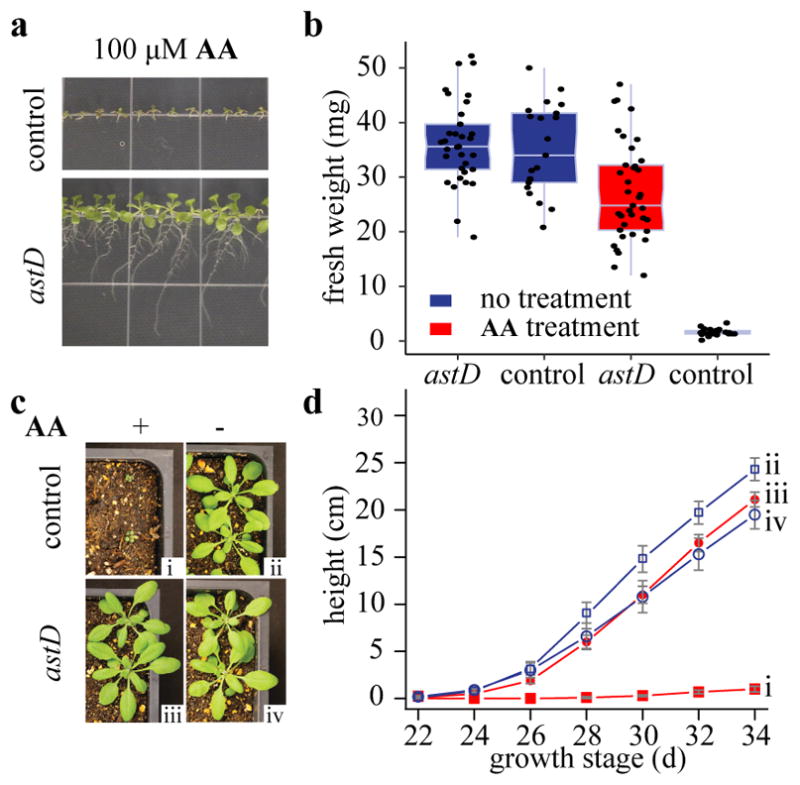
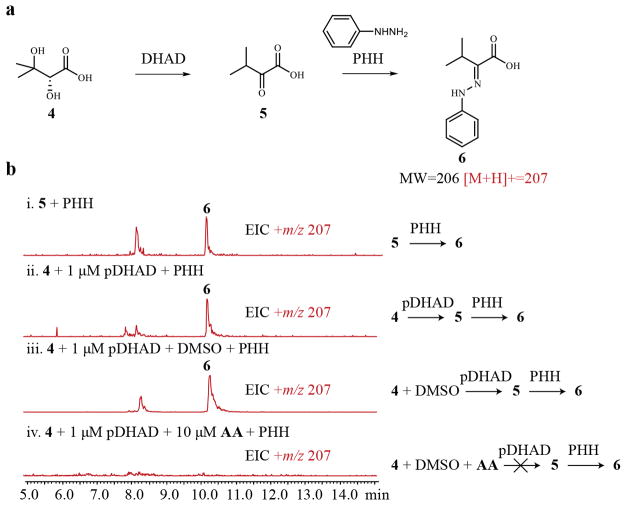
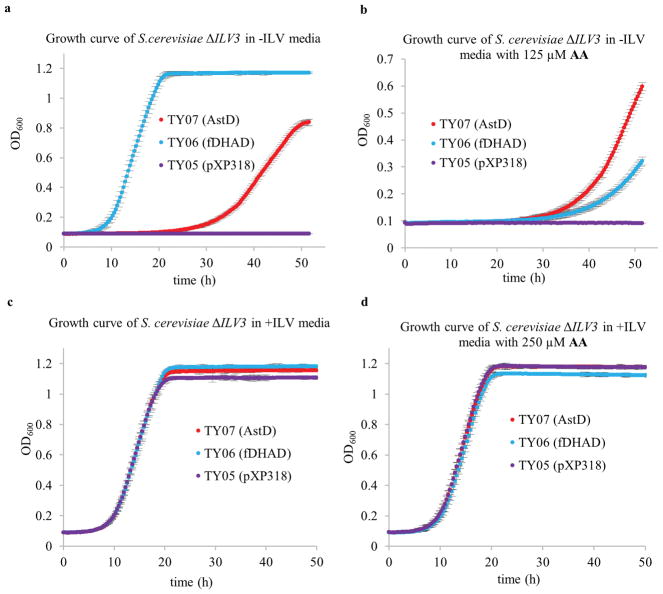
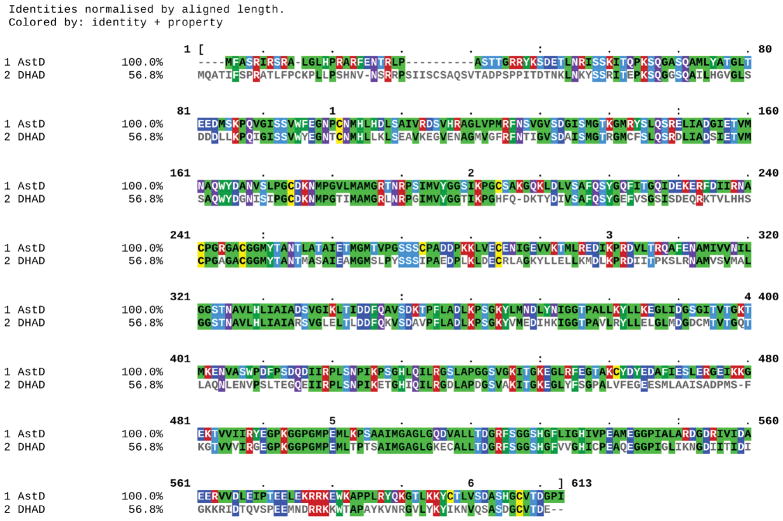
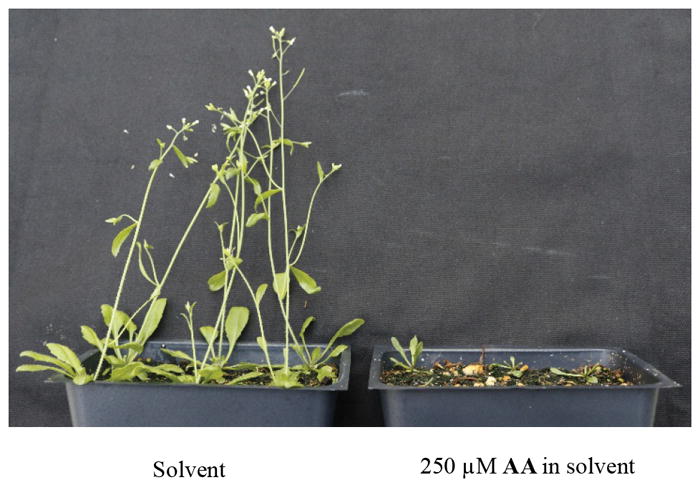
Bioactive natural products have evolved to inhibit specific cellular targets and have served as lead molecules for health and agricultural applications for the past century. The post-genomics era has brought a renaissance in the discovery of natural products using synthetic-biology tools. However, compared to traditional bioactivity-guided approaches, genome mining of natural products with specific and potent biological activities remains challenging. Here we present the discovery and validation of a potent herbicide that targets a critical metabolic enzyme that is required for plant survival. Our approach is based on the co-clustering of a self-resistance gene in the natural-product biosynthesis gene cluster, which provides insight into the potential biological activity of the encoded compound. We targeted dihydroxy-acid dehydratase in the branched-chain amino acid biosynthetic pathway in plants; the last step in this pathway is often targeted for herbicide development. We show that the fungal sesquiterpenoid aspterric acid, which was discovered using the method described above, is a sub-micromolar inhibitor of dihydroxy-acid dehydratase that is effective as a herbicide in spray applications. The self-resistance gene astD was validated to be insensitive to aspterric acid and was deployed as a transgene in the establishment of plants that are resistant to aspterric acid. This herbicide-resistance gene combination complements the urgent ongoing efforts to overcome weed resistance. Our discovery demonstrates the potential of using a resistance-gene-directed approach in the discovery of bioactive natural products.
生物活性天然产物经过进化以抑制特定的细胞靶标,并在过去一个世纪中一直作为健康和农业应用的先导分子。在后基因组时代,利用合成生物学工具发现天然产物迎来了复兴。然而,与传统的基于生物活性的方法相比,具有特定和强大生物活性的天然产物的基因组挖掘仍然具有挑战性。在这里,我们展示了一种强力除草剂的发现和验证,该除草剂针对的是植物生存所必需的关键代谢酶。我们的方法基于天然产物生物合成基因簇中自我抗性基因的共聚类,这为编码化合物的潜在生物活性提供了线索。我们针对植物中支链氨基酸生物合成途径中的二羟酸脱水酶;该途径的最后一步通常是除草剂开发的目标。我们表明,上述方法发现的真菌倍半萜类化合物asperterric acid 是二羟酸脱水酶的亚微摩尔抑制剂,作为喷雾应用的除草剂是有效的。自我抗性基因 astD 被验证对 aspterric acid 不敏感,并被部署为转基因,以建立对 aspterric acid 具有抗性的植物。这种除草剂抗性基因组合补充了克服杂草抗性的紧迫持续努力。我们的发现证明了在生物活性天然产物的发现中使用抗性基因定向方法的潜力。