Department of Marine Biology and Ecology, Rosenstiel School of Marine and Atmospheric Science, University of Miami, 4600 Rickenbacker Cswy, Miami, FL, 33149, USA.
BMC Genomics. 2018 Jul 11;19(1):529. doi: 10.1186/s12864-018-4909-1.
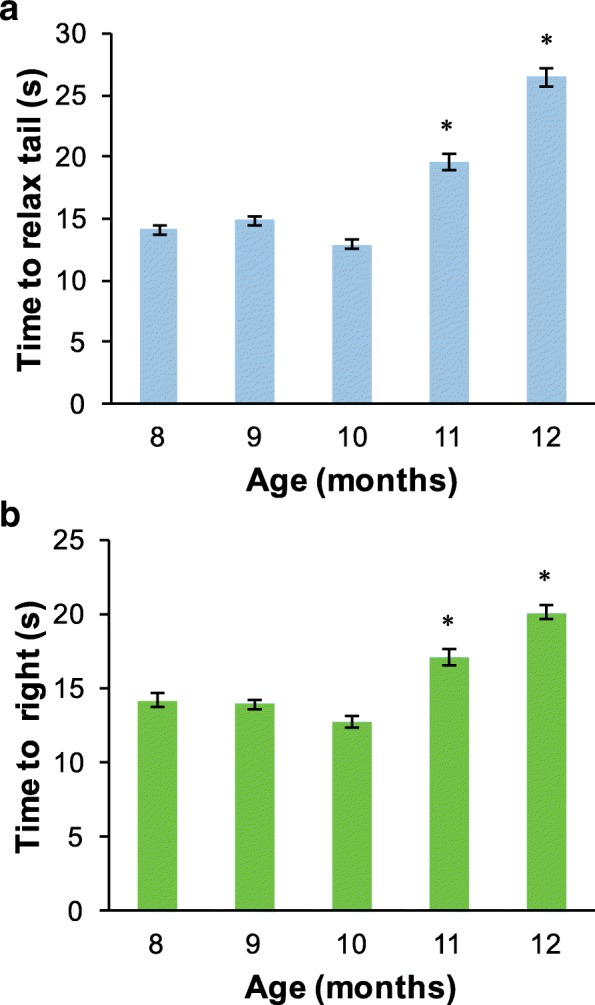
Large-scale molecular changes occur during aging and have many downstream consequences on whole-organism function, such as motor function, learning, and memory. The marine mollusk Aplysia californica can be used to study transcriptional changes that occur with age in identified neurons of the brain, because its simplified nervous system allows for more direct correlations between molecular changes, physiological changes, and their phenotypic outcomes. Behavioral deficits in the tail-withdrawal reflex of aged animals have been correlated with reduced excitation in sensory neurons that control the reflex. RNASeq was used to investigate whole-transcriptome changes in tail-withdrawal sensory neurons of sexually mature and aged Aplysia to correlate transcriptional changes with reduced behavioral and physiological responses.
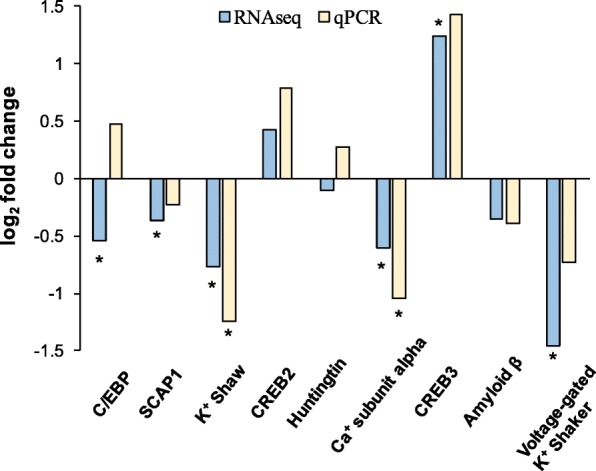
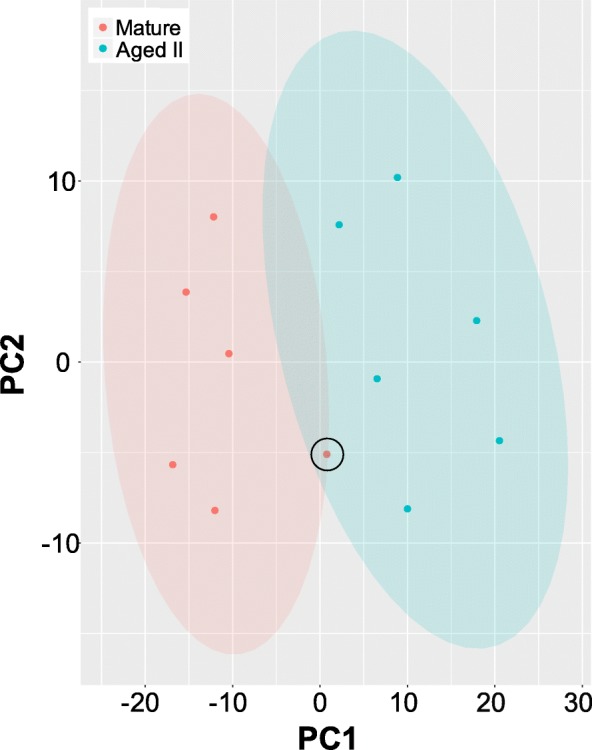
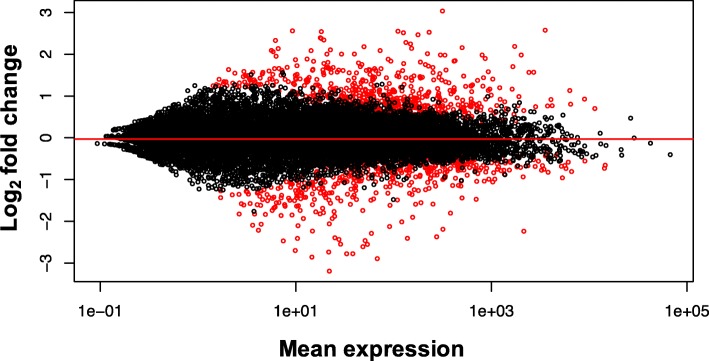
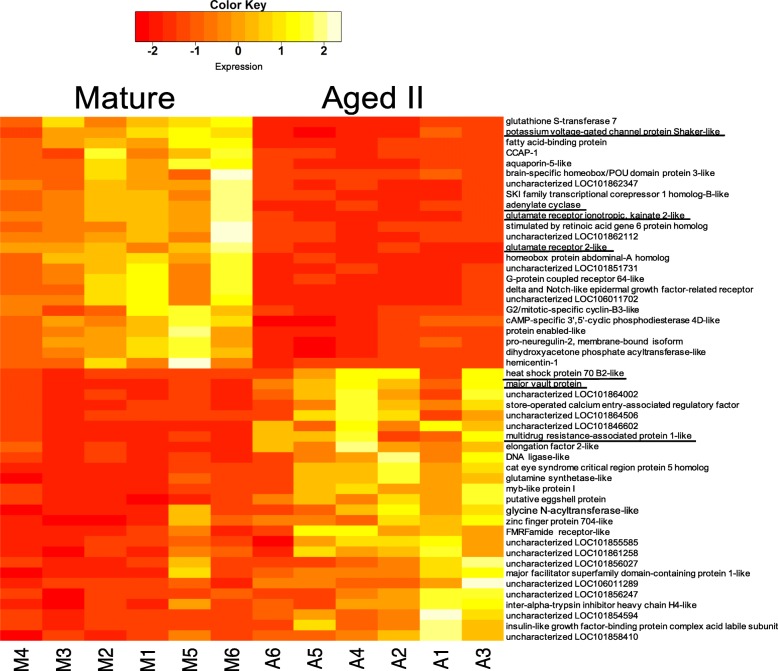
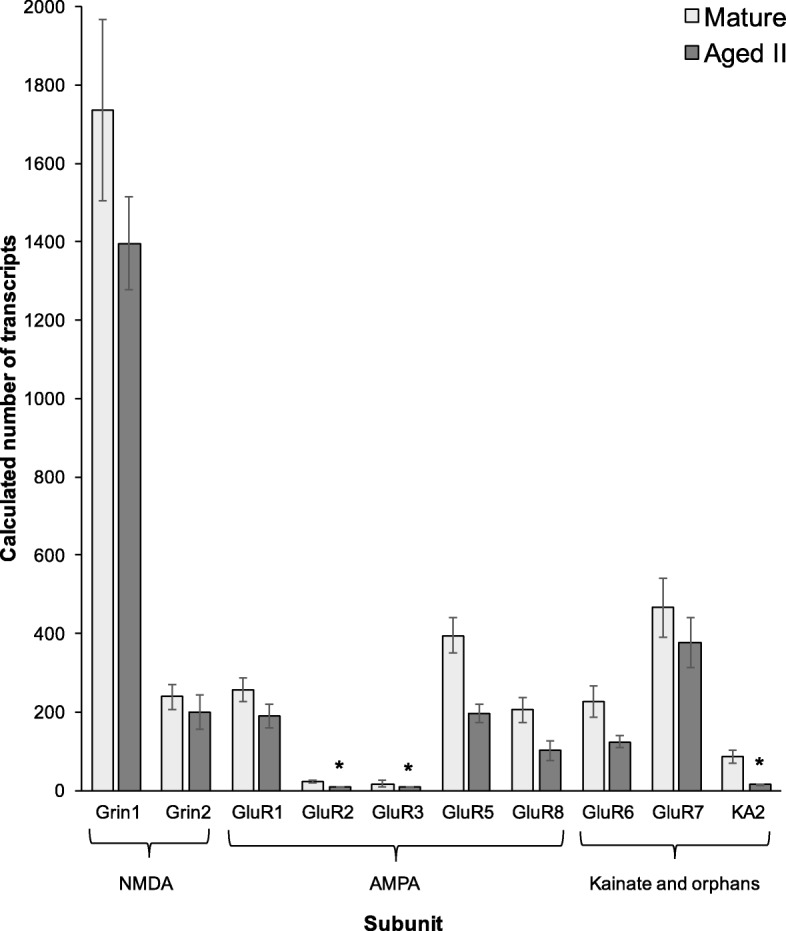
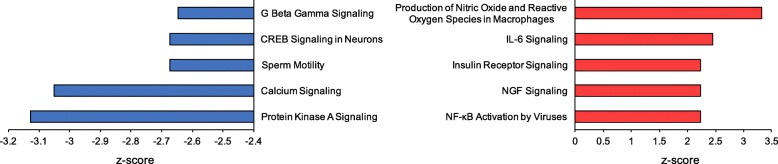
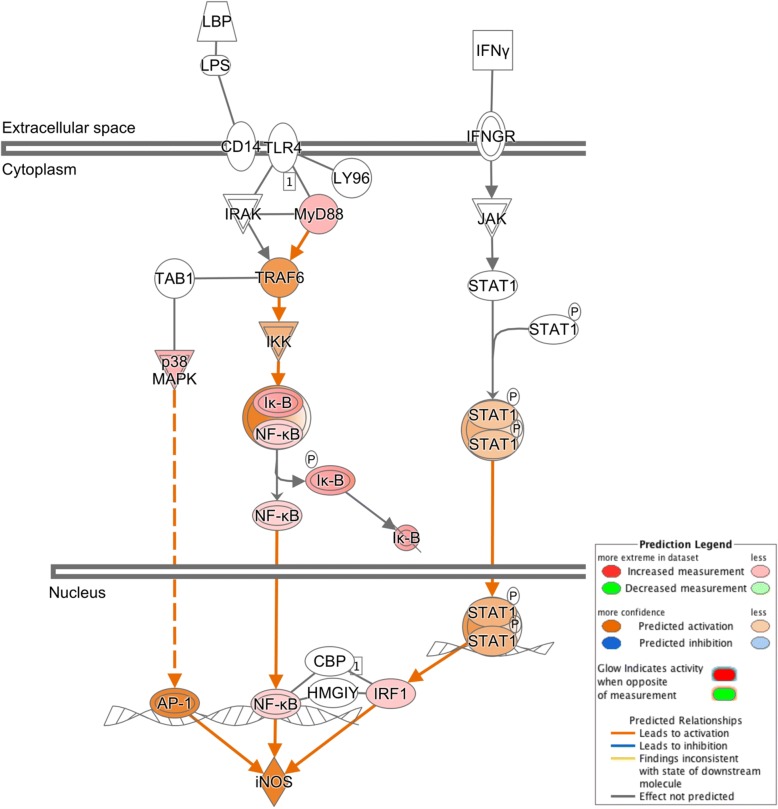
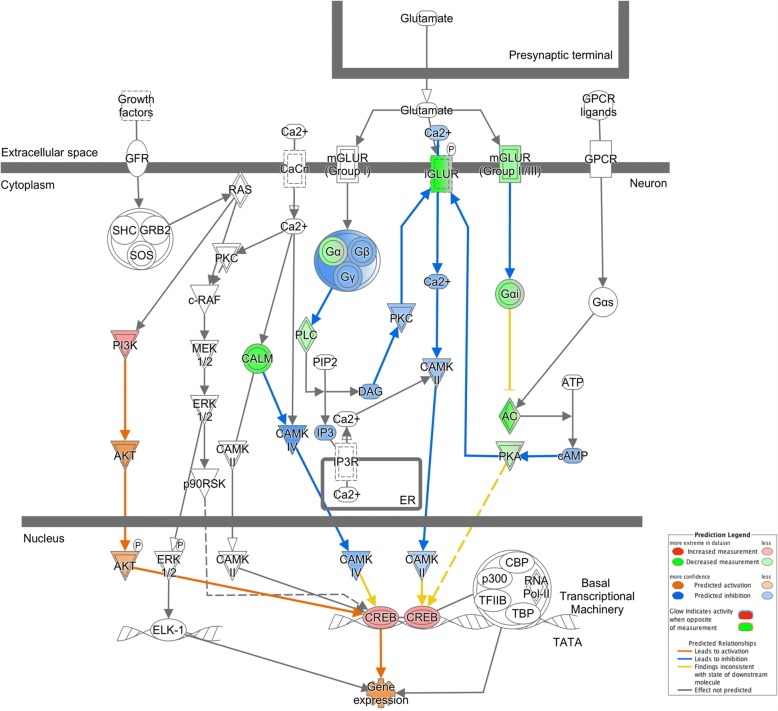
Paired-end sequencing resulted in 210 million reads used for differential expression analysis. Aging significantly altered expression of 1202 transcripts in sensory neurons underlying the tail-withdrawal reflex, with an approximately equal number of these genes up- and down regulated with age. Despite overall bidirectionality of expression changes, > 80% of ion channel genes that were differentially expressed had decreased expression with age. In particular, several voltage-gated K and Ca channels were down regulated. This marked decrease in ion channel expression may play an important role in previously observed declines in aged sensory neuron excitability. We also observed decreased expression of genes and pathways involved in learning and memory. Genes involved in the stress response showed increased expression in aged Aplysia neurons.
Significantly altered expression of many genes between sexually mature and aged Aplysia suggests large molecular changes that may impact neuronal function. Decreased ion channel mRNA observed could mean fewer receptors present in aged neurons, resulting in reduced excitability of PVC sensory neurons, ultimately leading to reduced tail-withdrawal reflex observed in aged Aplysia. Significant changes in other genes and pathways, such as stress response and learning and memory, have previously been shown to occur with age in many vertebrate organisms. This suggests that some effects of aging are common across many animal phyla.
衰老过程中会发生大规模的分子变化,对整个生物体的功能(如运动功能、学习和记忆)产生许多下游影响。海洋软体动物加利福尼亚海兔可用于研究大脑中已识别神经元随年龄增长而发生的转录变化,因为其简化的神经系统允许更直接地将分子变化、生理变化及其表型结果联系起来。随着动物年龄的增长,尾缩反射的行为缺陷与控制反射的感觉神经元兴奋减少有关。RNA 测序被用于研究性成熟和衰老的海兔尾缩感觉神经元的全转录组变化,将转录变化与行为和生理反应的降低相关联。
配对末端测序产生了 2.1 亿个用于差异表达分析的读数。衰老显著改变了控制尾缩反射的感觉神经元中的 1202 个转录本的表达,这些基因中约有一半随年龄增长而上调或下调。尽管表达变化总体上呈双向性,但具有差异表达的离子通道基因中,超过 80%的基因随年龄增长表达下调。特别是,几种电压门控 K 和 Ca 通道表达下调。离子通道表达的这种明显下降可能在以前观察到的衰老感觉神经元兴奋性下降中起着重要作用。我们还观察到参与学习和记忆的基因和途径的表达下降。衰老海兔神经元中应激反应相关基因表达增加。
性成熟和衰老的海兔之间许多基因的表达显著改变表明,这可能会对神经元功能产生重大影响。观察到的离子通道 mRNA 表达减少可能意味着衰老神经元中存在的受体较少,导致 PVC 感觉神经元兴奋性降低,最终导致衰老海兔中观察到的尾缩反射减少。应激反应和学习记忆等其他基因和途径的显著变化以前在许多脊椎动物中也与年龄有关。这表明,一些衰老的影响在许多动物门中是共同的。