Institute of Metabolic and Cardiovascular Diseases (I2MC), Institut National de la Santé et de la Recherche Médicale (INSERM), Université de Toulouse, Toulouse, France.
Department of Biology and Biotechnology, University of Pavia, Pavia, Italy.
Aging Cell. 2018 Oct;17(5):e12811. doi: 10.1111/acel.12811. Epub 2018 Jul 12.
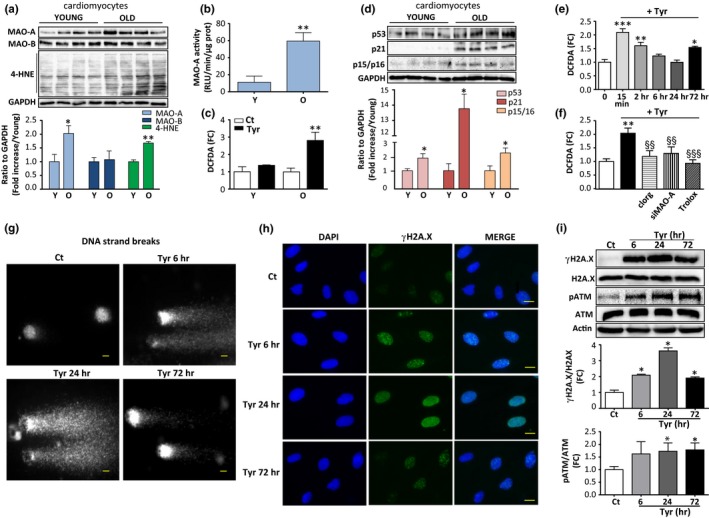
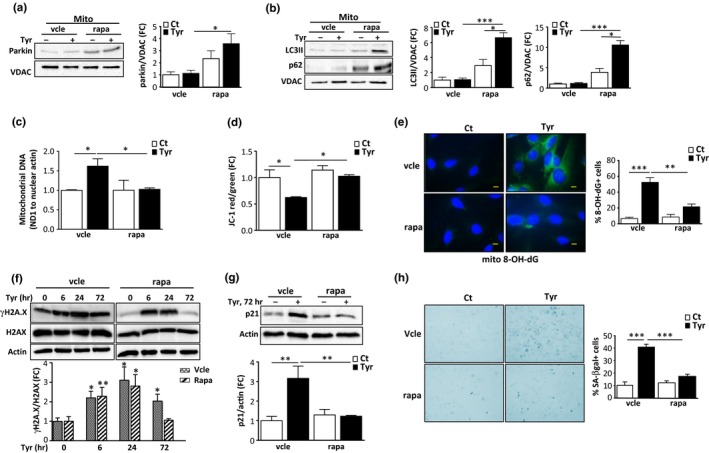
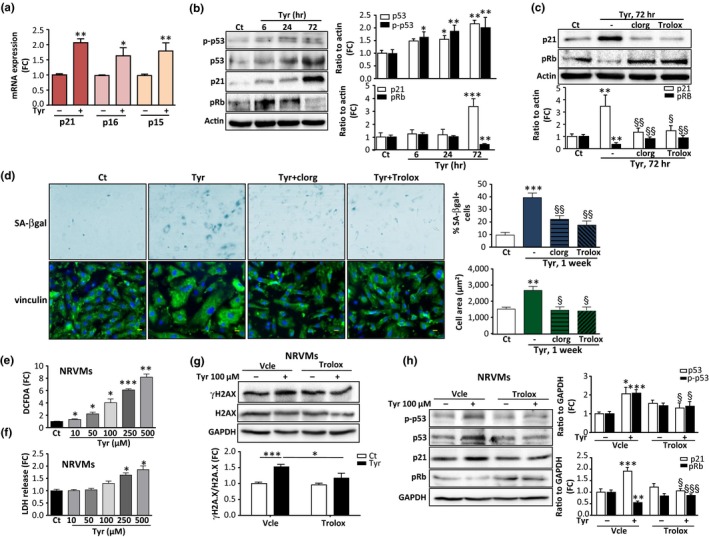
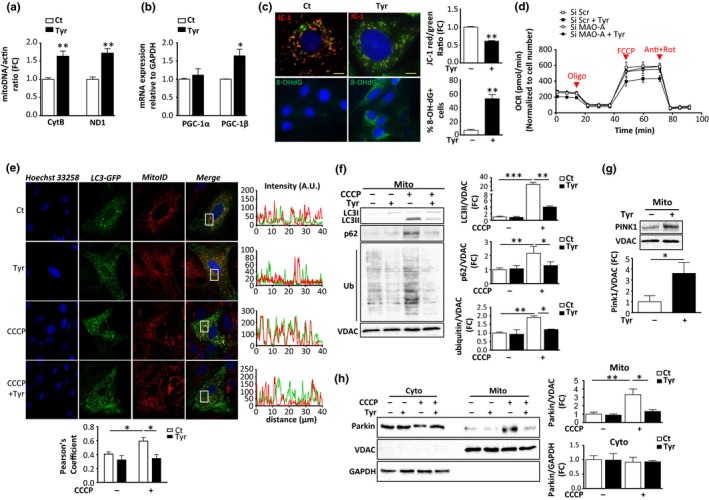
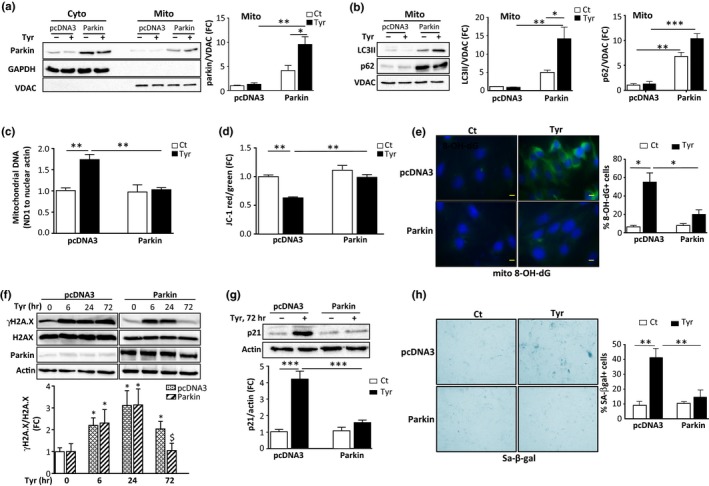
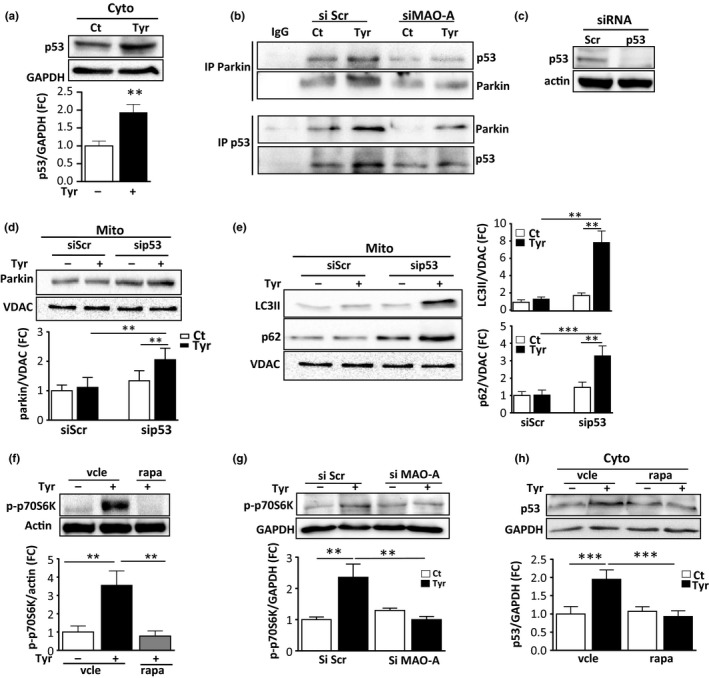
Cellular senescence, the irreversible cell cycle arrest observed in somatic cells, is an important driver of age-associated diseases. Mitochondria have been implicated in the process of senescence, primarily because they are both sources and targets of reactive oxygen species (ROS). In the heart, oxidative stress contributes to pathological cardiac ageing, but the mechanisms underlying ROS production are still not completely understood. The mitochondrial enzyme monoamine oxidase-A (MAO-A) is a relevant source of ROS in the heart through the formation of H O derived from the degradation of its main substrates, norepinephrine (NE) and serotonin. However, the potential link between MAO-A and senescence has not been previously investigated. Using cardiomyoblasts and primary cardiomyocytes, we demonstrate that chronic MAO-A activation mediated by synthetic (tyramine) and physiological (NE) substrates induces ROS-dependent DNA damage response, activation of cyclin-dependent kinase inhibitors p21 , p16 , and p15 and typical features of senescence such as cell flattening and SA-β-gal activity. Moreover, we observe that ROS produced by MAO-A lead to the accumulation of p53 in the cytosol where it inhibits parkin, an important regulator of mitophagy, resulting in mitochondrial dysfunction. Additionally, we show that the mTOR kinase contributes to mitophagy dysfunction by enhancing p53 cytoplasmic accumulation. Importantly, restoration of mitophagy, either by overexpression of parkin or inhibition of mTOR, prevents mitochondrial dysfunction and induction of senescence. Altogether, our data demonstrate a novel link between MAO-A and senescence in cardiomyocytes and provides mechanistic insights into the potential role of MAO-dependent oxidative stress in age-related pathologies.
细胞衰老,即体细胞观察到的不可逆转的细胞周期停滞,是与年龄相关疾病的重要驱动因素。线粒体与衰老过程有关,主要是因为它们既是活性氧(ROS)的来源,也是其靶点。在心脏中,氧化应激导致病理性心脏衰老,但 ROS 产生的机制仍不完全清楚。线粒体酶单胺氧化酶-A(MAO-A)是心脏中 ROS 的一个相关来源,通过其主要底物去甲肾上腺素(NE)和血清素的降解形成 H 2 O。然而,MAO-A 与衰老之间的潜在联系尚未被研究过。使用心肌细胞和原代心肌细胞,我们证明了由合成(酪胺)和生理(NE)底物介导的慢性 MAO-A 激活会诱导 ROS 依赖性 DNA 损伤反应、细胞周期蛋白依赖性激酶抑制剂 p21、p16 和 p15 的激活以及细胞扁平化和 SA-β-半乳糖苷活性等典型衰老特征。此外,我们观察到 MAO-A 产生的 ROS 导致 p53 在细胞质中的积累,p53 在细胞质中抑制 parkin,parkin 是线粒体自噬的重要调节剂,导致线粒体功能障碍。此外,我们表明 mTOR 激酶通过增强 p53 细胞质积累来促进线粒体自噬功能障碍。重要的是,通过过表达 parkin 或抑制 mTOR 来恢复线粒体自噬,可防止线粒体功能障碍和衰老的诱导。总之,我们的数据表明 MAO-A 与心肌细胞衰老之间存在新的联系,并为 MAO 依赖性氧化应激在与年龄相关的病理中的潜在作用提供了机制上的见解。