School of Archaeology, University of Oxford, South Parks Road, Oxford OX1 3TG, UK; Department of Archaeology, Max Planck Institute for the Science of Human History, Kahlaische Street 10, D-07745 Jena, Germany.
Research Department of Genetics, Evolution and Environment, and University College London (UCL) Genetics Institute, University College London, Gower Street, London WC1E 6BT, UK.
Trends Ecol Evol. 2018 Aug;33(8):582-594. doi: 10.1016/j.tree.2018.05.005. Epub 2018 Jul 11.
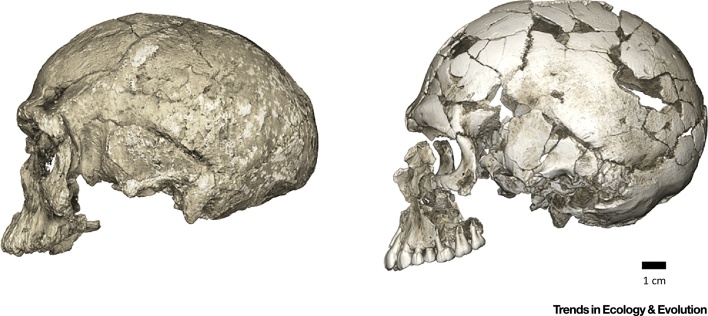
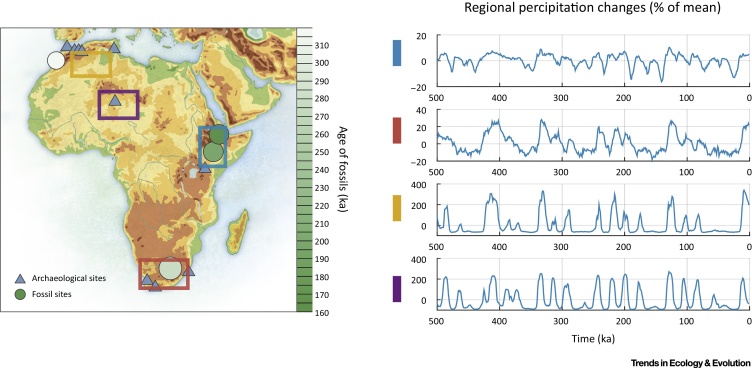
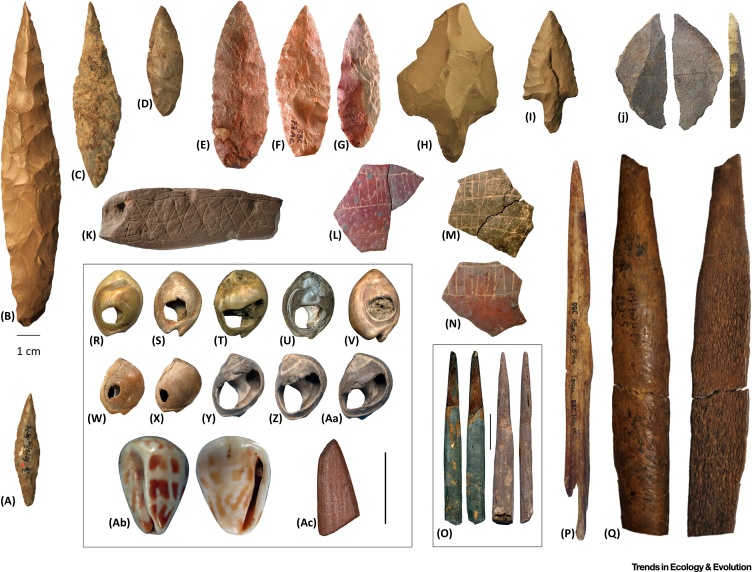
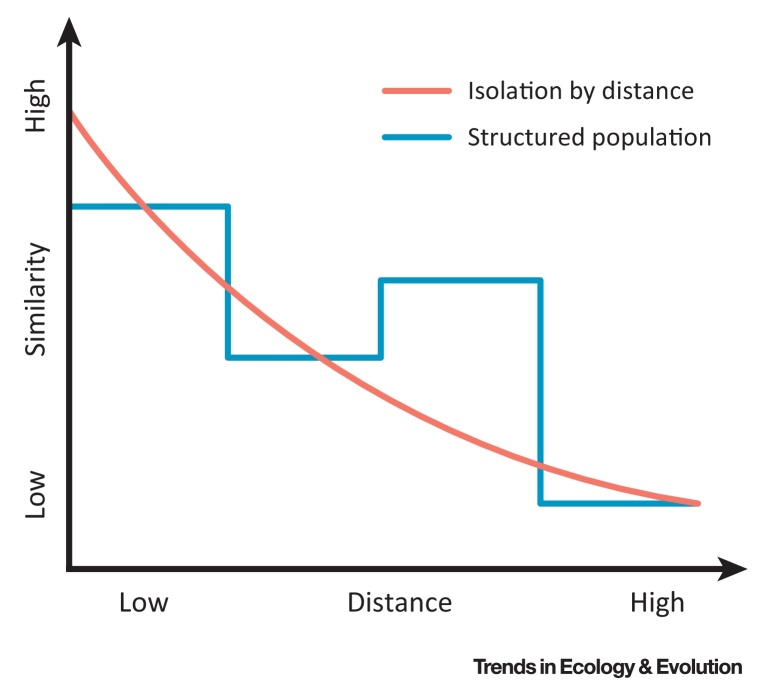
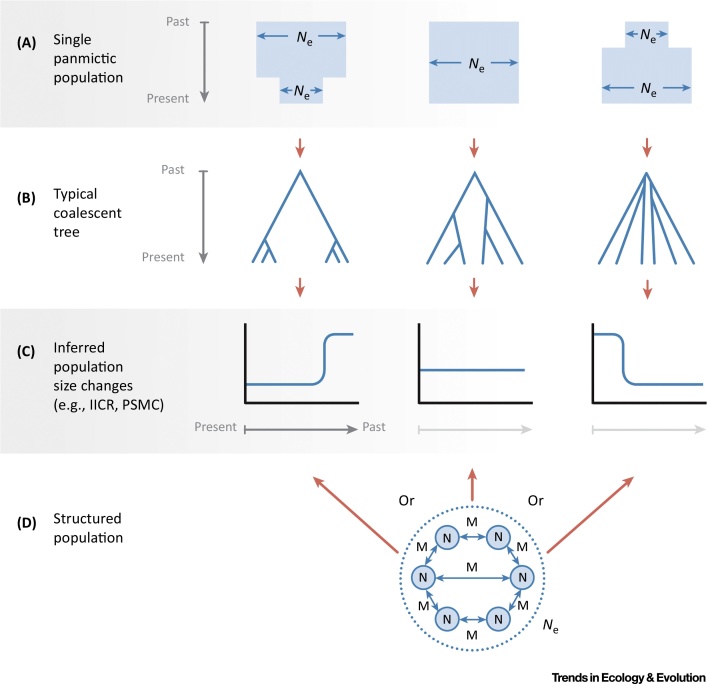
We challenge the view that our species, Homo sapiens, evolved within a single population and/or region of Africa. The chronology and physical diversity of Pleistocene human fossils suggest that morphologically varied populations pertaining to the H. sapiens clade lived throughout Africa. Similarly, the African archaeological record demonstrates the polycentric origin and persistence of regionally distinct Pleistocene material culture in a variety of paleoecological settings. Genetic studies also indicate that present-day population structure within Africa extends to deep times, paralleling a paleoenvironmental record of shifting and fractured habitable zones. We argue that these fields support an emerging view of a highly structured African prehistory that should be considered in human evolutionary inferences, prompting new interpretations, questions, and interdisciplinary research directions.
我们质疑人类这一种族(智人)仅在非洲的单一地区或单一群体中进化的观点。更新世人类化石的年代和形态多样性表明,形态各异的人群存在于整个非洲。同样,非洲考古记录也证明了在各种古生态环境中,具有区域特色的更新世物质文化具有多中心起源和持续存在的特点。遗传研究还表明,非洲目前的人口结构可以追溯到很久以前,与不断变化和破碎的可居住区域的古环境记录相吻合。我们认为,这些领域支持了一种新兴的观点,即非洲史前史具有高度的结构性,这在人类进化推断中应该得到考虑,这将促使人们对其进行新的解释、提出新的问题,并开展跨学科研究。