Department of Biochemistry, Faculty of Medicine, Genetic and Metabolic Diseases Research and Investigation Center (GEMHAM), Marmara University, 34854 Maltepe, Istanbul, Turkey.
Central Research Laboratory, Amasya University, 05100 Amasya, Turkey.
Oxid Med Cell Longev. 2018 Jun 13;2018:8520746. doi: 10.1155/2018/8520746. eCollection 2018.
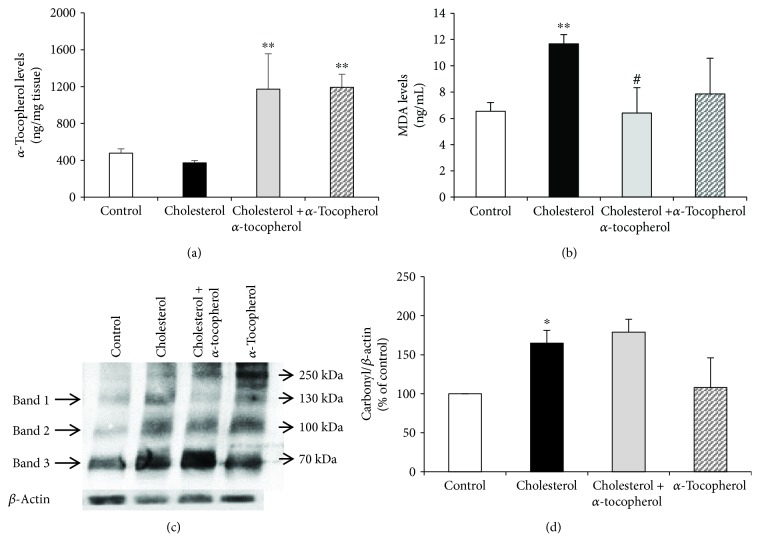
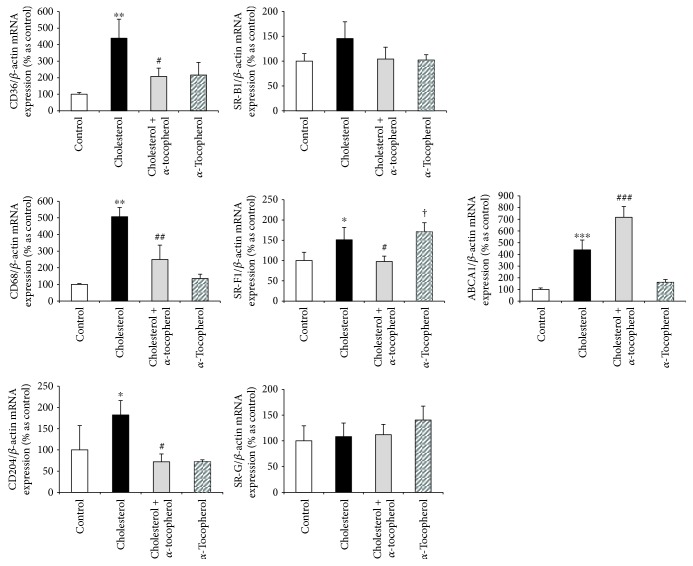
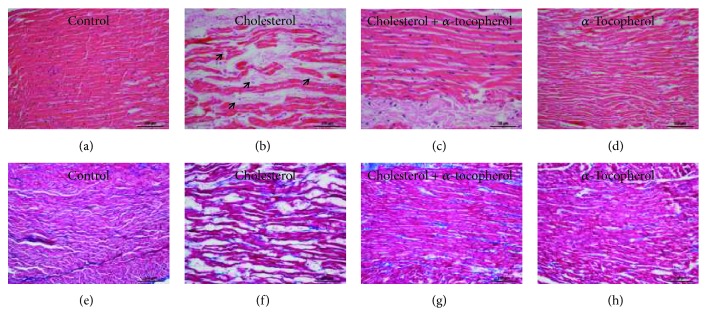
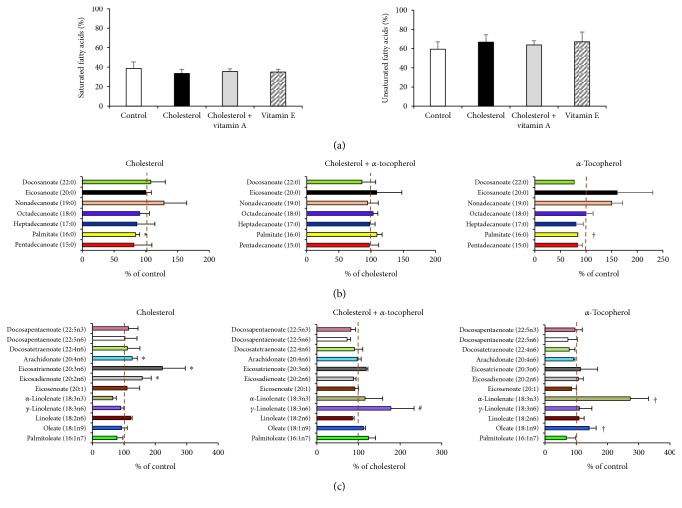
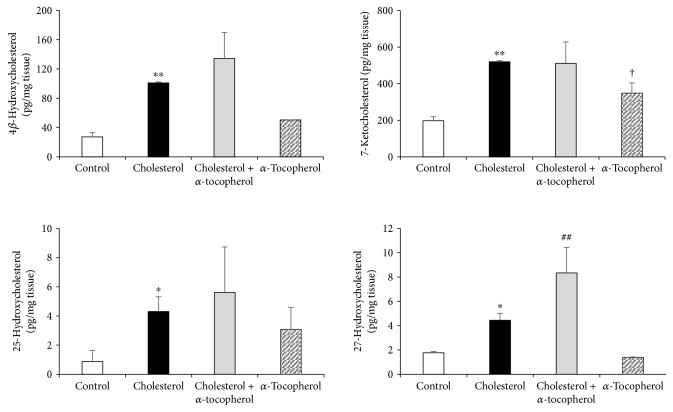
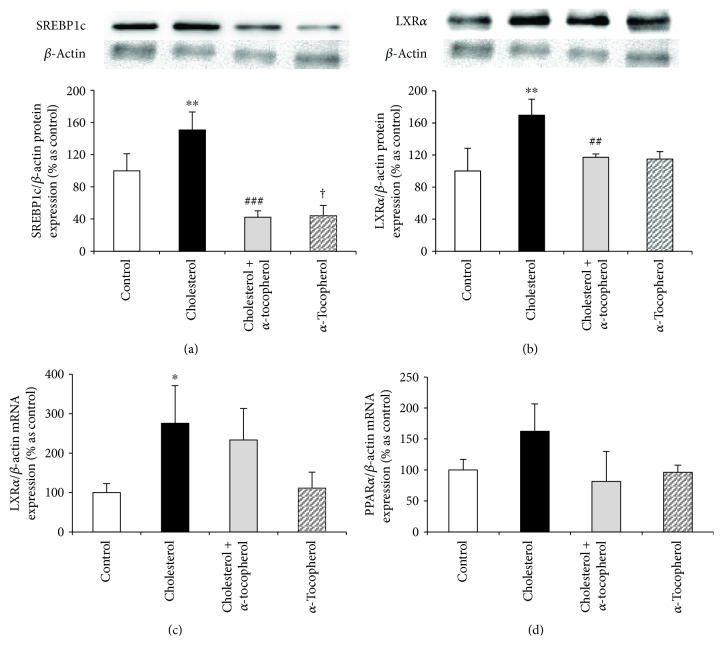
Involvement of high cholesterol and oxidative stress in cardiovascular diseases is well studied, as it can be hypothesized that various products originated from lipid peroxidation, such as oxysterols, or affected protein expression might lead to cardiomyocyte damage followed by the pathological modifications. Although oxidation of excessive cholesterol to oxysterols in elevated stress conditions is identified by a number of studies, the role of a high cholesterol diet in regulating fatty acid and oxysterol accumulation, together with scavenger receptor mRNA levels, in the heart remains little investigated. Our study provides a detailed analysis of the changes in fatty acid, oxysterol, and scavenger receptor profiles and its relation with histological alterations in the heart tissue. We evaluated alterations of fatty acid composition, by the GC-MS method, while 4-, 25-, and 27-hydroxycholesterol and 7-ketocholesterol levels by means of LC-MS/MS in high cholesterol diet-fed rabbits. Additionally, a number of proteins related to lipid metabolism and scavenger receptor mRNA expressions were evaluated by Western blotting and RT-PCR. According to our results, a high cholesterol diet enhances a number of unsaturated fatty acids, oxysterols, and LXR, in addition to CD36, CD68, CD204, and SR-F1 expressions while -tocopherol supplementation decreases LXR and SR expressions together with an increase in 27-hydroxycholesterol and ABCA1 levels. Our results indicated that the high cholesterol diet modulates proteins related to lipid metabolism, which might result in the malfunction of the heart and -tocopherol shows its beneficial effects. We believe that this work will lead the generation of different theories in the development of heart diseases.
高胆固醇和氧化应激在心血管疾病中的作用已得到深入研究,因为可以假设脂质过氧化产生的各种产物,如氧化固醇,或受影响的蛋白质表达可能导致心肌细胞损伤,随后发生病理改变。尽管在应激条件下,过量胆固醇氧化为氧化固醇已被多项研究确定,但高胆固醇饮食在调节脂肪酸和氧化固醇积累方面的作用,以及在心脏中清除受体 mRNA 水平的作用,仍鲜有研究。我们的研究提供了脂肪酸、氧化固醇和清除受体谱的变化及其与心脏组织病理改变的关系的详细分析。我们通过 GC-MS 方法评估了脂肪酸组成的变化,通过 LC-MS/MS 评估了 4-、25-和 27-羟基胆固醇和 7-酮胆固醇的水平。此外,通过 Western blot 和 RT-PCR 评估了与脂质代谢和清除受体 mRNA 表达相关的许多蛋白质。根据我们的结果,高胆固醇饮食可增加多种不饱和脂肪酸、氧化固醇和 LXR,同时还可增加 CD36、CD68、CD204 和 SR-F1 的表达,而 -生育酚补充可降低 LXR 和 SR 的表达,同时增加 27-羟基胆固醇和 ABCA1 的水平。我们的结果表明,高胆固醇饮食可调节与脂质代谢相关的蛋白质,这可能导致心脏功能障碍,而 -生育酚显示出其有益作用。我们相信,这项工作将为心脏病发展产生不同的理论。