Nguyen Peter K, Gao William, Patel Saloni D, Siddiqui Zain, Weiner Saul, Shimizu Emi, Sarkar Biplab, Kumar Vivek A
Department of Biomedical Engineering and Department of Chemical, Biological and Pharmaceutical Engineering, New Jersey Institute of Technology, Newark, New Jersey 07102, United States.
Department of Restorative Dentistry and Department of Oral Biology, Rutgers School of Dental Medicine, Newark, New Jersey 07103, United States.
ACS Omega. 2018 Jun 30;3(6):5980-5987. doi: 10.1021/acsomega.8b00347. Epub 2018 Jun 4.
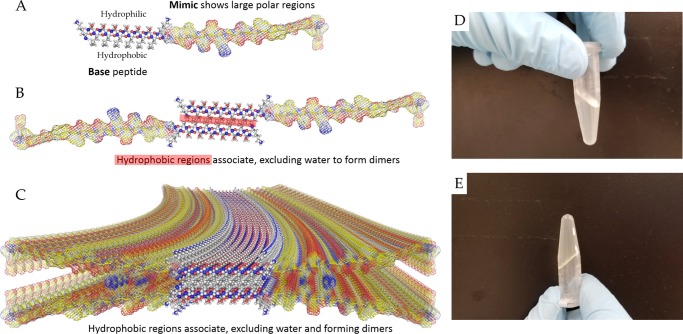
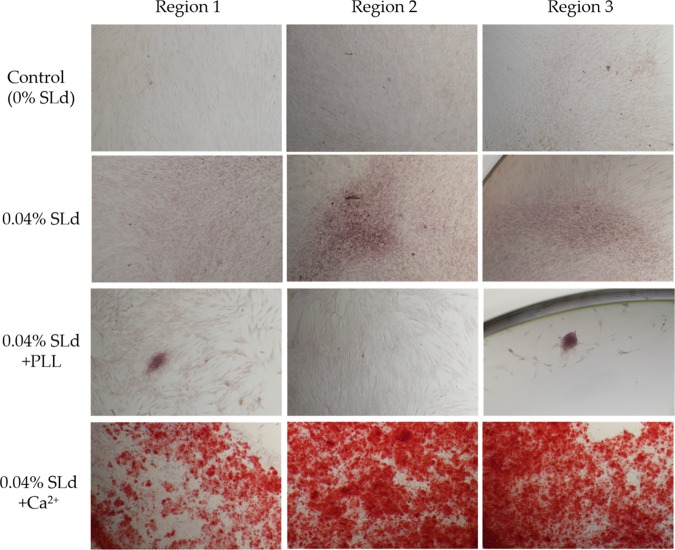
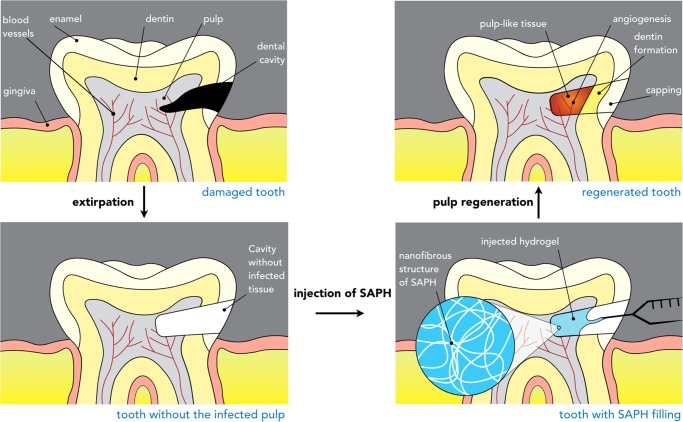
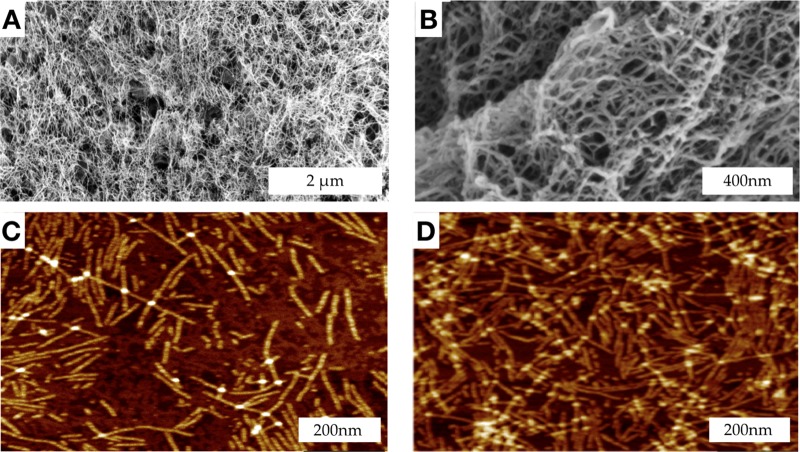
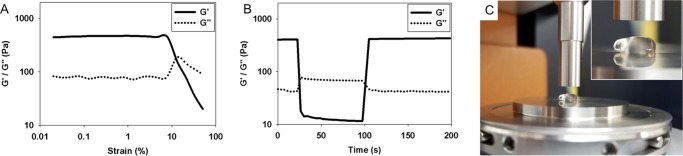
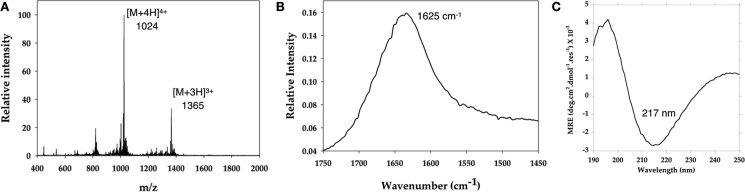
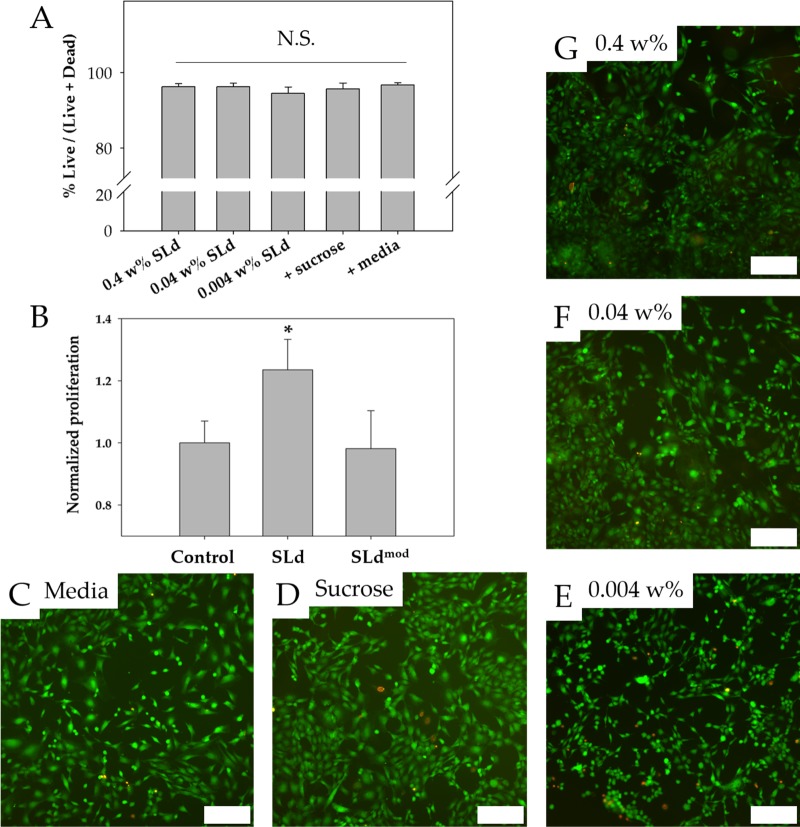
Current standard of care for treating infected dental pulp, root canal therapy, retains the physical properties of the tooth to a large extent, but does not aim to rejuvenate the pulp tissue. Tissue-engineered acellular biomimetic hydrogels have great potential to facilitate the regeneration of the tissue through the recruitment of autologous stem cells. We propose the use of a dentinogenic peptide that self-assembles into β-sheet-based nanofibers that constitute a biodegradable and injectable hydrogel for support of dental pulp stem cells. The peptide backbone contains a β-sheet-forming segment and a matrix extracellular phosphoglycoprotein mimic sequence at the C-terminus. The high epitope presentation of the functional moiety in the self-assembled nanofibers may enable recapitulation of a functional niche for the survival and proliferation of autologous cells. We elucidated the hierarchical self-assembly of the peptide through biophysical techniques, including scanning electron microscopy and atomic force microscopy. The material property of the self-assembled hydrogel was probed though oscillatory rheometry, demonstrating its thixotropic nature. We also demonstrate the cytocompatibility of the hydrogel with respect to fibroblasts and dental pulp stem cells. The self-assembled peptide platform holds promise for guided dentinogenesis and it can be tailored to a variety of applications in soft tissue engineering and translational medicine in the future.
治疗感染牙髓的当前标准护理方法——根管治疗,在很大程度上保留了牙齿的物理特性,但并不旨在使牙髓组织恢复活力。组织工程化脱细胞仿生水凝胶具有通过募集自体干细胞促进组织再生的巨大潜力。我们提出使用一种牙本质生成肽,该肽自组装成基于β-折叠的纳米纤维,构成一种可生物降解且可注射的水凝胶,用于支持牙髓干细胞。该肽主链包含一个形成β-折叠的片段和一个位于C端的基质细胞外磷酸糖蛋白模拟序列。自组装纳米纤维中功能部分的高表位呈现可能能够重现一个功能性微环境,以支持自体细胞的存活和增殖。我们通过包括扫描电子显微镜和原子力显微镜在内的生物物理技术阐明了该肽的分级自组装。通过振荡流变学探究了自组装水凝胶的材料特性,证明了其触变性。我们还证明了该水凝胶对成纤维细胞和牙髓干细胞的细胞相容性。自组装肽平台有望实现引导性牙本质生成,并且未来可针对软组织工程和转化医学中的各种应用进行定制。