Instituto de Investigación Médica Mercedes y Martín Ferreyra, INIMEC-CONICET-Universidad Nacional de Córdoba, Cordoba, Argentina.
Department of Medicine, Division of Hematology and Medical Oncology, Weill Cornell Medicine, New York, New York.
Aging Cell. 2018 Oct;17(5):e12812. doi: 10.1111/acel.12812. Epub 2018 Jul 20.
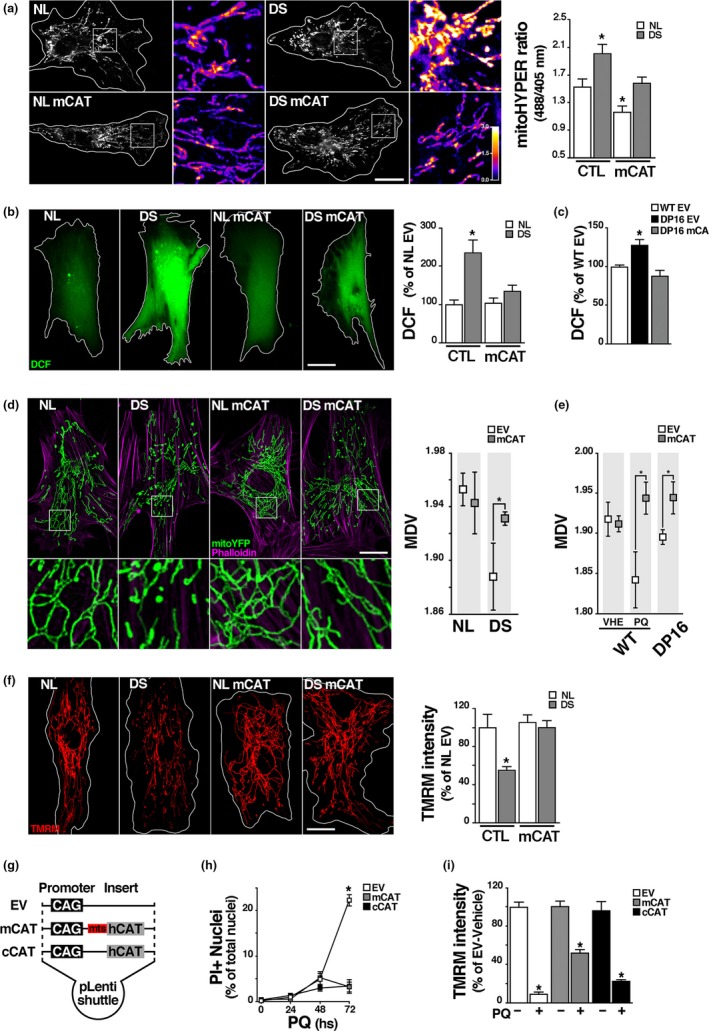
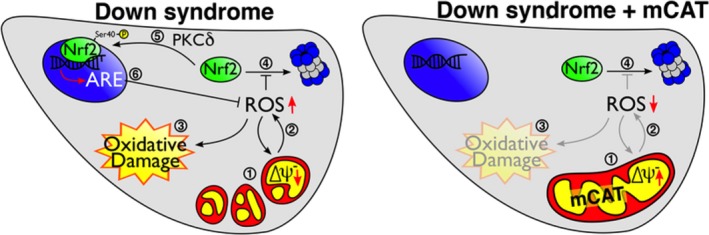
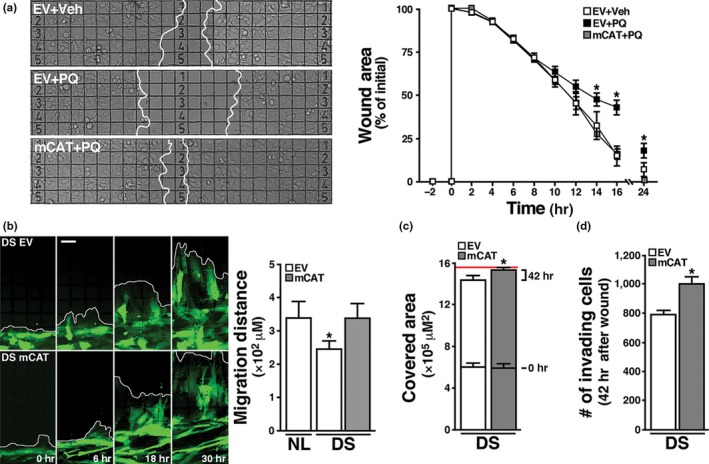
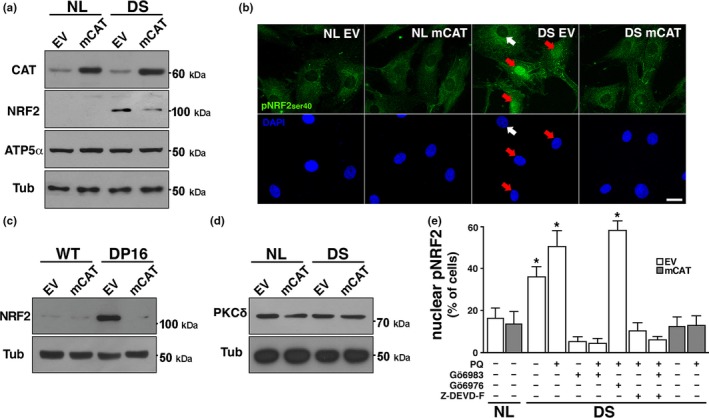
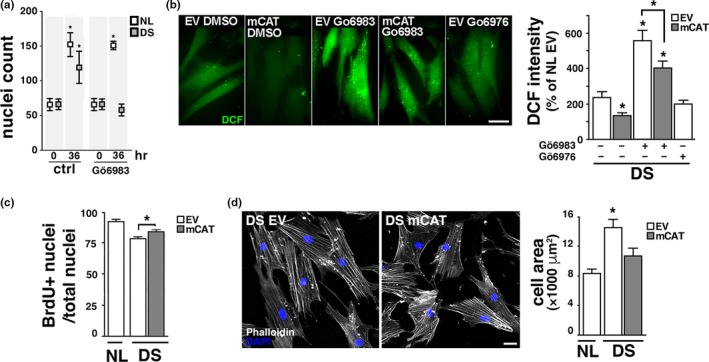
Mounting evidence implicates chronic oxidative stress as a critical driver of the aging process. Down syndrome (DS) is characterized by a complex phenotype, including early senescence. DS cells display increased levels of reactive oxygen species (ROS) and mitochondrial structural and metabolic dysfunction, which are counterbalanced by sustained Nrf2-mediated transcription of cellular antioxidant response elements (ARE). Here, we show that caspase 3/PKCδdependent activation of the Nrf2 pathway in DS and Dp16 (a mouse model of DS) cells is necessary to protect against chronic oxidative damage and to preserve cellular functionality. Mitochondria-targeted catalase (mCAT) significantly reduced oxidative stress, restored mitochondrial structure and function, normalized replicative and wound healing capacity, and rendered the Nrf2-mediated antioxidant response dispensable. These results highlight the critical role of Nrf2/ARE in the maintenance of DS cell homeostasis and validate mitochondrial-specific interventions as a key aspect of antioxidant and antiaging therapies.
越来越多的证据表明,慢性氧化应激是衰老过程的关键驱动因素。唐氏综合征(DS)的特征是表现出复杂的表型,包括早衰。DS 细胞显示出活性氧(ROS)水平升高和线粒体结构及代谢功能障碍,这被 Nrf2 介导的细胞抗氧化反应元件(ARE)的转录持续平衡。在这里,我们表明 caspase 3/PKCδ依赖性激活 DS 和 Dp16(DS 的小鼠模型)细胞中的 Nrf2 途径对于防止慢性氧化损伤和维持细胞功能是必要的。线粒体靶向过氧化氢酶(mCAT)显著降低了氧化应激,恢复了线粒体结构和功能,使复制和伤口愈合能力正常化,并使 Nrf2 介导的抗氧化反应变得可有可无。这些结果强调了 Nrf2/ARE 在维持 DS 细胞内稳态中的关键作用,并验证了线粒体特异性干预作为抗氧化和抗衰老治疗的关键方面。