Kubben Nard, Zhang Weiqi, Wang Lixia, Voss Ty C, Yang Jiping, Qu Jing, Liu Guang-Hui, Misteli Tom
National Cancer Institute, National Institutes of Health, Bethesda, MD 20892, USA.
National Laboratory of Biomacromolecules, CAS Center for Excellence in Biomacromolecules, Institute of Biophysics, Chinese Academy of Sciences, Beijing 100101, China; FSU-CAS Innovation Institute, Foshan University, Foshan, Guangdong 528000, China.
Cell. 2016 Jun 2;165(6):1361-1374. doi: 10.1016/j.cell.2016.05.017.
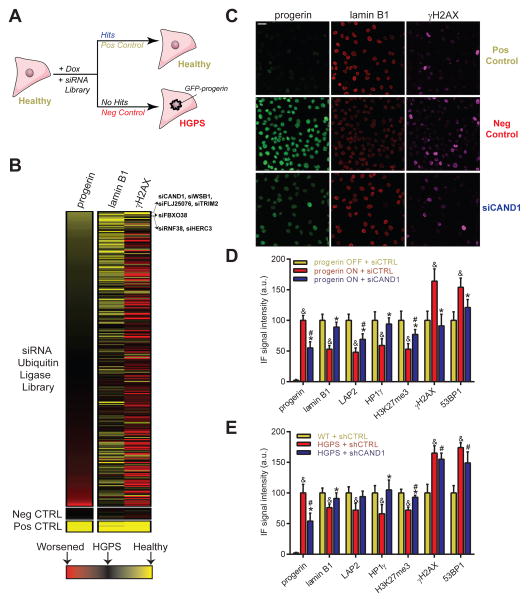
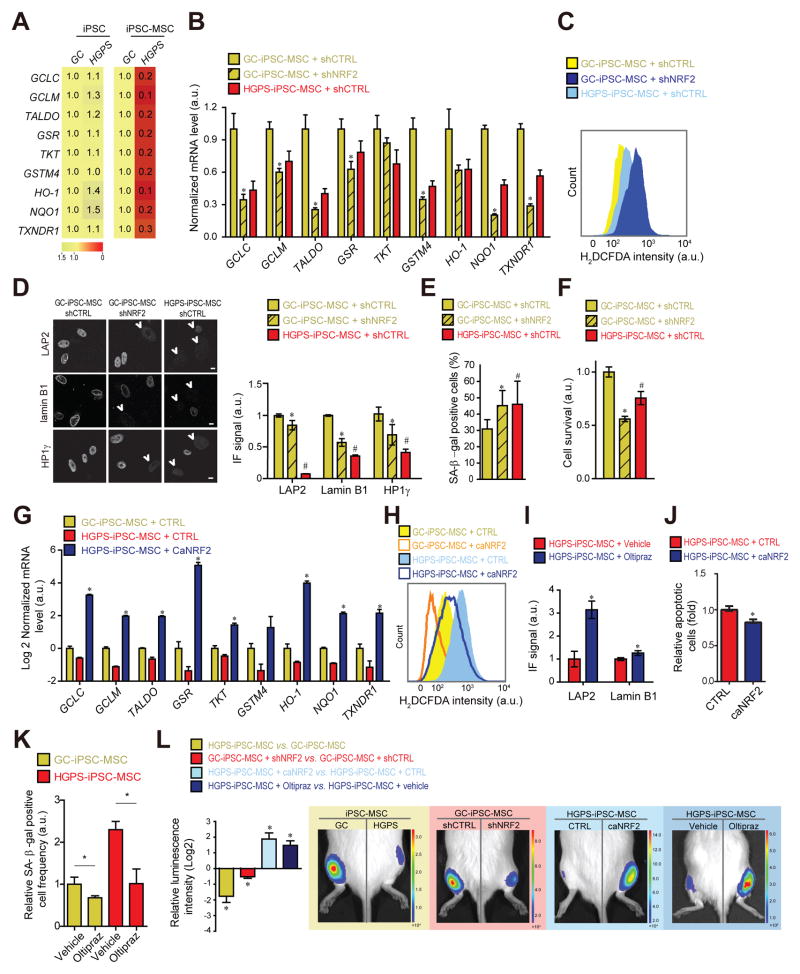
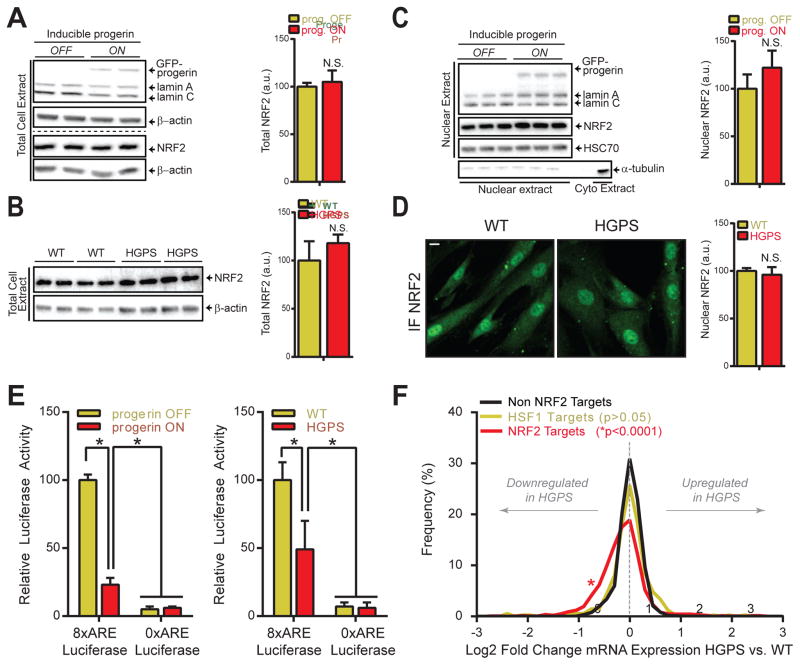
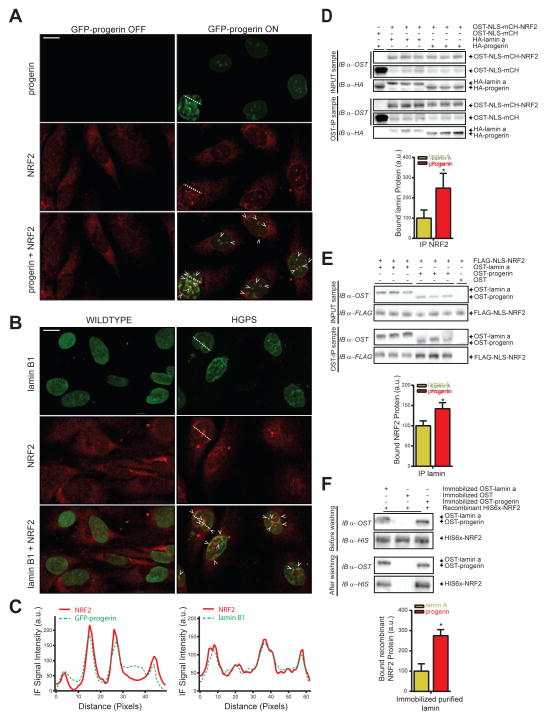
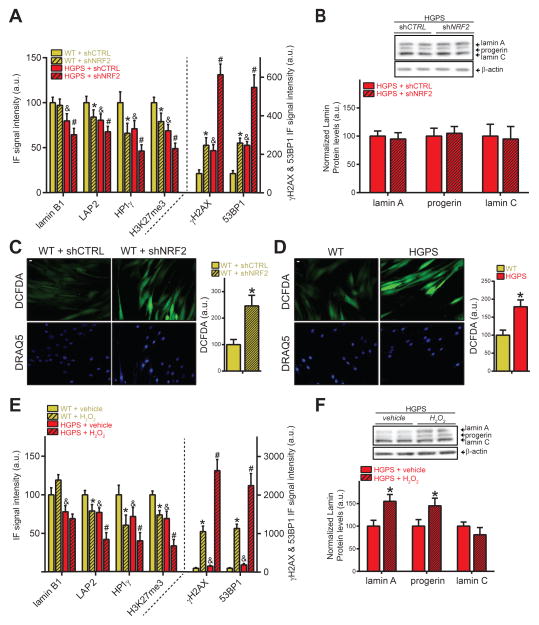
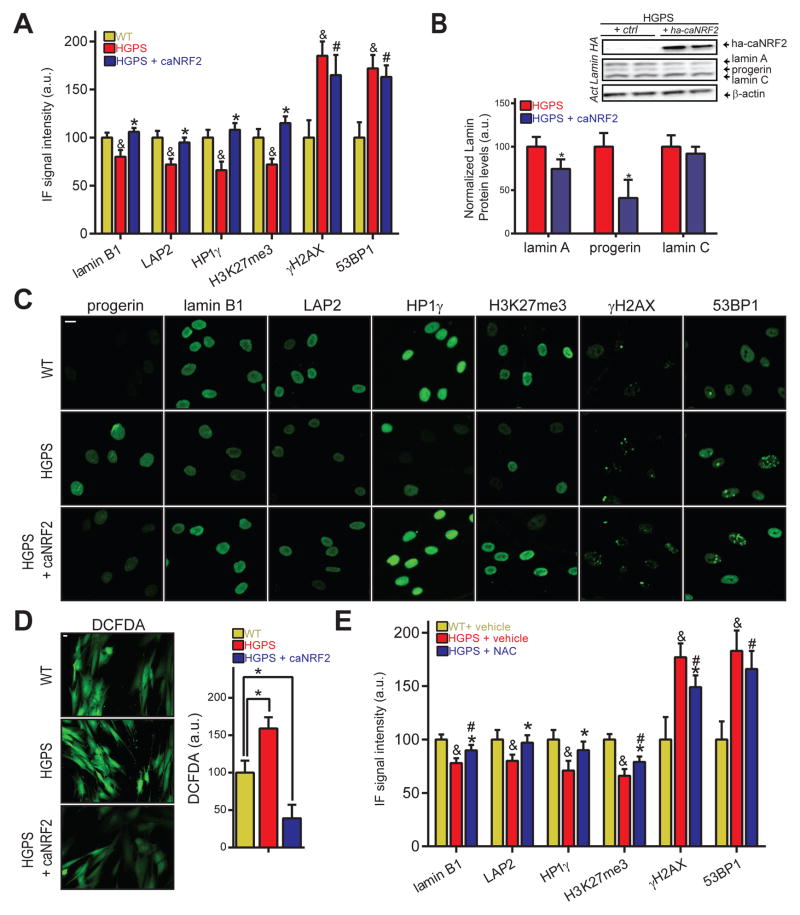
Hutchinson-Gilford progeria syndrome (HGPS) is a rare, invariably fatal premature aging disorder. The disease is caused by constitutive production of progerin, a mutant form of the nuclear architectural protein lamin A, leading, through unknown mechanisms, to diverse morphological, epigenetic, and genomic damage and to mesenchymal stem cell (MSC) attrition in vivo. Using a high-throughput siRNA screen, we identify the NRF2 antioxidant pathway as a driver mechanism in HGPS. Progerin sequesters NRF2 and thereby causes its subnuclear mislocalization, resulting in impaired NRF2 transcriptional activity and consequently increased chronic oxidative stress. Suppressed NRF2 activity or increased oxidative stress is sufficient to recapitulate HGPS aging defects, whereas reactivation of NRF2 activity in HGPS patient cells reverses progerin-associated nuclear aging defects and restores in vivo viability of MSCs in an animal model. These findings identify repression of the NRF2-mediated antioxidative response as a key contributor to the premature aging phenotype.
哈钦森-吉尔福德早衰综合征(HGPS)是一种罕见的、必然致命的早衰疾病。该疾病由早老素的组成型产生引起,早老素是核结构蛋白核纤层蛋白A的一种突变形式,通过未知机制导致多种形态、表观遗传和基因组损伤以及体内间充质干细胞(MSC)损耗。通过高通量小干扰RNA筛选,我们确定NRF2抗氧化途径是HGPS中的一种驱动机制。早老素隔离NRF2,从而导致其在核内的错误定位,导致NRF2转录活性受损,进而增加慢性氧化应激。NRF2活性受抑制或氧化应激增加足以重现HGPS衰老缺陷,而在HGPS患者细胞中重新激活NRF2活性可逆转早老素相关的核衰老缺陷,并恢复动物模型中MSC的体内活力。这些发现表明,NRF2介导的抗氧化反应受到抑制是早衰表型的关键促成因素。