Department of Biology and Delaware Biotechnology Institute, University of Delaware, 15 Innovation Way, Newark, DE, 19711, USA.
Department of Plant and Soil Sciences and Delaware Biotechnology Institute, University of Delaware, 15 Innovation Way, Newark, DE, 19711, USA.
BMC Genomics. 2018 Jul 20;19(1):547. doi: 10.1186/s12864-018-4911-7.
Since the proposal of Brachypodium distachyon as a model for the grasses, over 500 Bdi-miRNAs have been annotated in miRBase making Brachypodium second in number only to rice. Other monocots, such as switchgrass, are completely absent from the miRBase database. While a significant number of miRNAs have been identified which are highly conserved across plants, little research has been done with respect to the conservation of miRNA targets. Plant responses to abiotic stresses are regulated by diverse pathways many of which involve miRNAs; however, it can be difficult to identify miRNA guided gene regulation when the miRNA is not the primary regulator of the target mRNA.
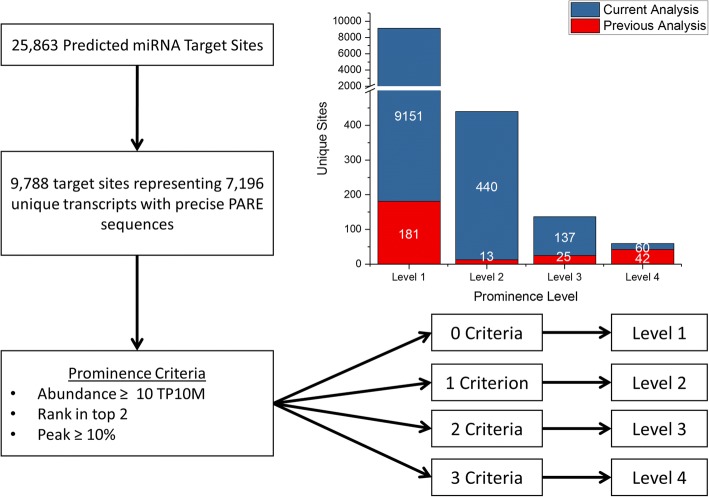
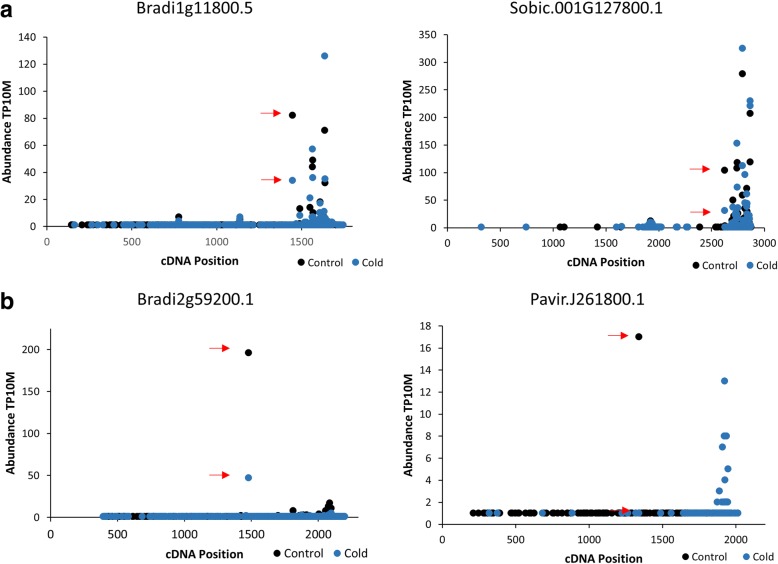
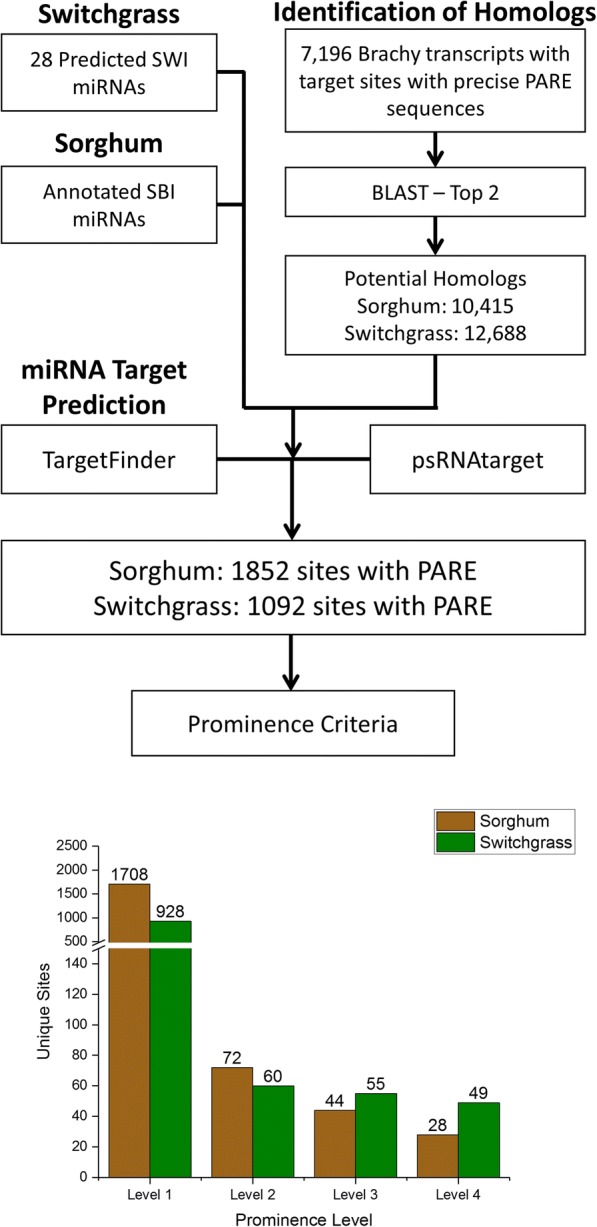
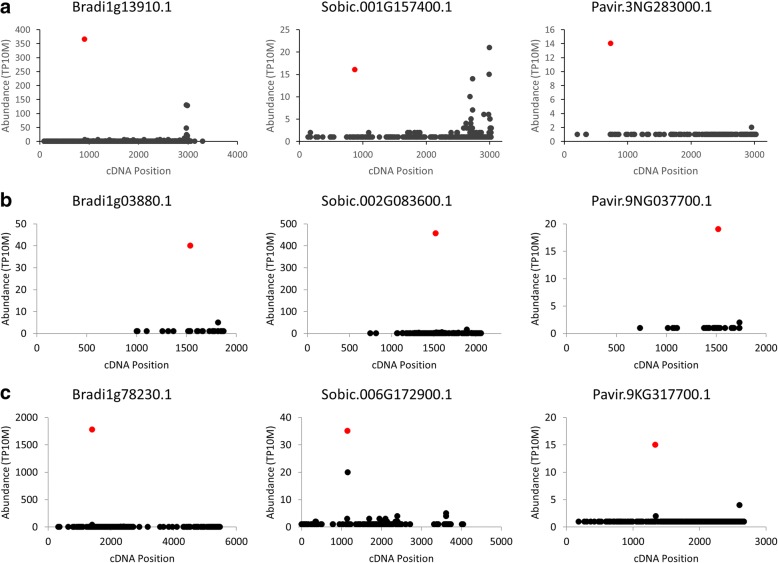
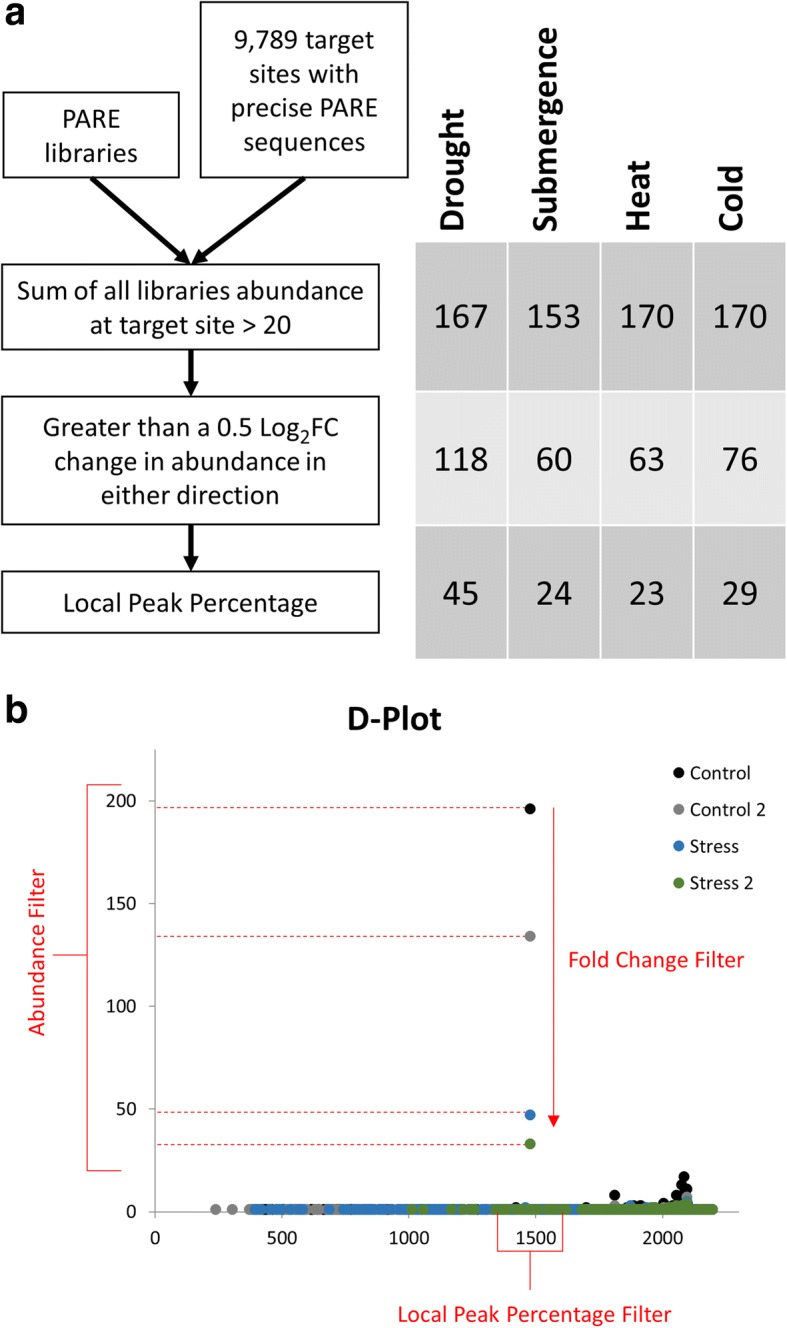
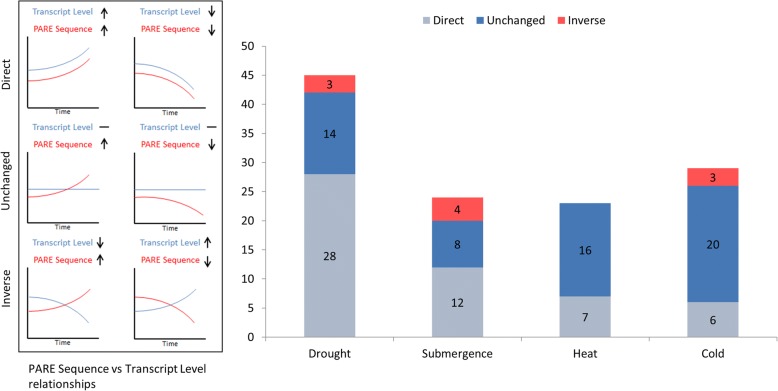
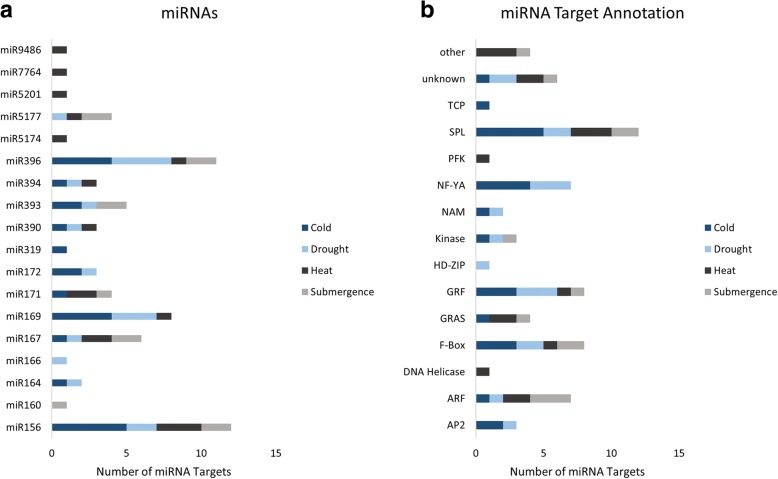
To investigate miRNA target conservation and stress response involvement, a set of PARE (Parallel Analysis of RNA Ends) libraries totaling over two billion reads was constructed and sequenced from Brachypodium, switchgrass, and sorghum representing the first report of RNA degradome data from the latter two species. Analysis of this data provided not only PARE evidence for miRNA guided cleavage of over 7000 predicted target mRNAs in Brachypodium, but also evidence for miRNA guided cleavage of over 1000 homologous transcripts in sorghum and switchgrass. A pipeline was constructed to compare RNA-seq and PARE data made from Brachypodium plants exposed to various abiotic stress conditions. This resulted in the identification of 44 miRNA targets which exhibit stress regulated cleavage. Time course experiments were performed to reveal the relationship between miR393ab, miR169a, miR394ab, and their respective targets throughout the first 36 h of the cold stress response in Brachypodium.
Knowledge gained from this study provides considerable insight into the RNA degradomes and the breadth of miRNA target conservation among these three species. Additionally, associations of a number of miRNAs and target mRNAs with the stress responses have been revealed which could aid in the development of stress tolerant transgenic crops.
自从短柄草被提议作为禾本科模型以来,miRBase 中已经注释了超过 500 个 Bdi-miRNAs,使短柄草成为仅次于水稻的 miRNA 数量第二多的物种。miRBase 数据库中完全没有其他单子叶植物,如柳枝稷。虽然已经鉴定出了大量在植物中高度保守的 miRNA,但对于 miRNA 靶标的保守性研究却很少。植物对非生物胁迫的反应受多种途径调控,其中许多途径涉及 miRNA;然而,当 miRNA 不是靶 mRNA 的主要调控因子时,识别 miRNA 指导的基因调控可能会很困难。
为了研究 miRNA 靶标保守性和胁迫反应参与情况,构建了一套总共超过 20 亿个读取的 PARE(RNA 末端平行分析)文库,并对代表柳枝稷和高粱的短柄草进行了测序,这是后两种物种 RNA 降解组数据的首次报道。对这些数据的分析不仅提供了超过 7000 个预测靶标 mRNA 的 miRNA 指导切割的 PARE 证据,而且还提供了高粱和柳枝稷中超过 1000 个同源转录物的 miRNA 指导切割的证据。构建了一个管道来比较暴露于各种非生物胁迫条件下的短柄草的 RNA-seq 和 PARE 数据。这导致鉴定出了 44 个表现出胁迫调节切割的 miRNA 靶标。进行了时间过程实验,以揭示 miR393ab、miR169a、miR394ab 及其在短柄草冷胁迫反应的前 36 小时内的相应靶标之间的关系。
本研究获得的知识为这三个物种的 RNA 降解组和 miRNA 靶标保守性提供了重要的见解。此外,还揭示了一些 miRNA 和靶 mRNA 与胁迫反应的关联,这可能有助于开发耐胁迫的转基因作物。