Department of Breast and Thyroid Surgery, Heze Municipal Hospital, Heze, Shandong, China.
Department of General Surgery 2, The Fourth People's Hospital of Jinan, Jinan, Shandong, China,
Int J Nanomedicine. 2018 Jul 12;13:4107-4119. doi: 10.2147/IJN.S163929. eCollection 2018.
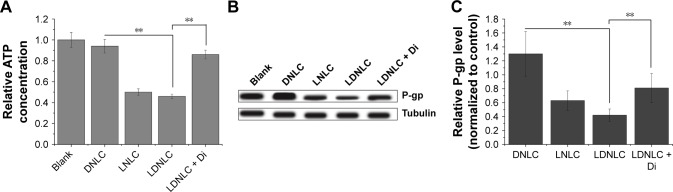
Multidrug resistance is responsible for the poor outcome in breast cancer therapy. Lapa is a novel therapeutic agent that generates ROS through the catalysis of the NAD(P) H:quinone oxidoreductase-1 (NQO1) enzyme which significantly facilitate the intracellular accumulation of the co-delivered DOX to overcome MDR in cancer cells.
Herein, in our study, nanostructured lipid carrier (NLC) co-delivering β-lapachone (Lapa) and doxorubicin (DOX) was developed (LDNLC) with the aim to overcome the multidrug resistance (MDR) in breast cancer therapy.
Lapa and DOX were loaded into NLC to prepare LDNLC using melted ultrasonic dispersion method.
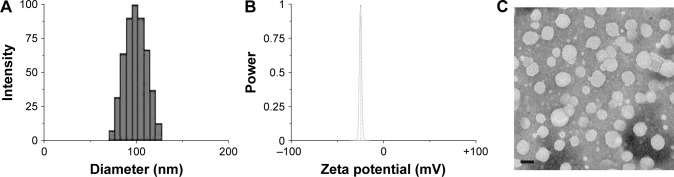
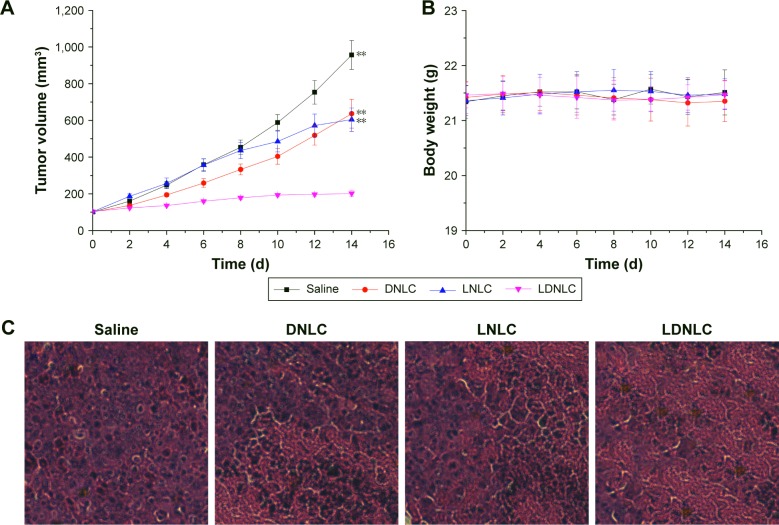
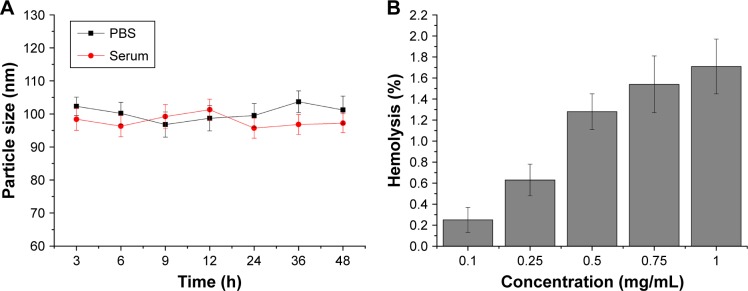
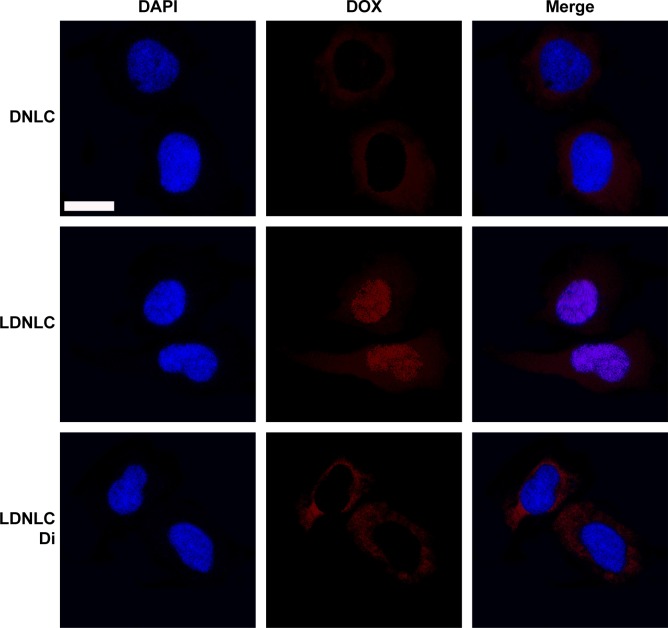
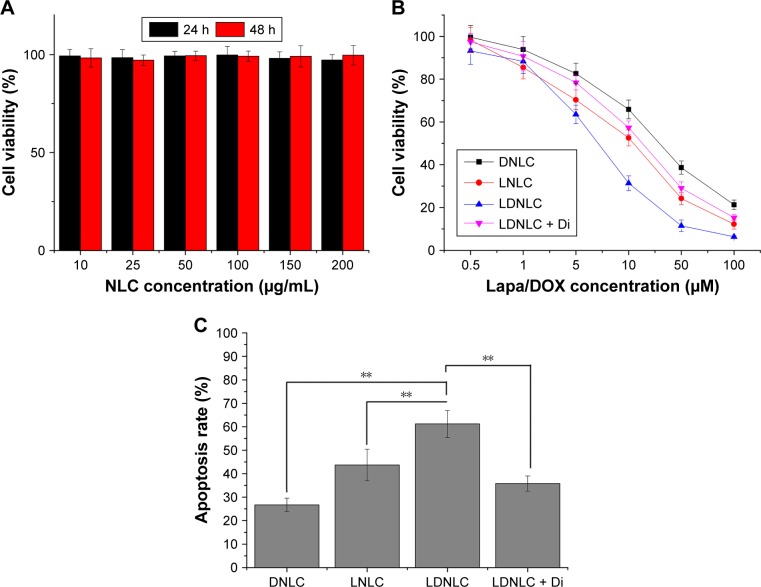
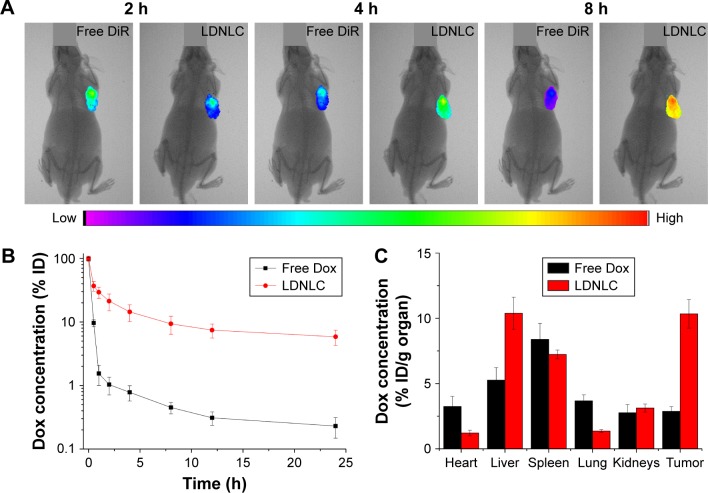
The well designed LDNLC was nanoscaled particles that exhibited preferable stability in physiological environment. In vitro cell experiments on MCF-7 ADR cells showed increased DOX retention as compared to DOX mono-delivery NLC (DNLC). In vivo anti-cancer assays on MCF-7 ADR tumor bearing mice model also revealed significantly enhanced efficacy of LDNLC than mono-delivery NLCs (DNLC and LNLC).
LDNLC might be a promising platform for effective breast cancer therapy.
多药耐药性是导致乳腺癌治疗效果不佳的原因。拉帕是一种新型治疗剂,通过 NAD(P)H:醌氧化还原酶-1(NQO1)酶的催化产生 ROS,这显著促进了共递 DOX 的细胞内积累,从而克服癌细胞中的多药耐药性。
在本研究中,我们开发了载有 β-拉帕醌(Lapa)和多柔比星(DOX)的纳米结构脂质载体(NLC)共递药系统(LDNLC),旨在克服乳腺癌治疗中的多药耐药性。
使用熔融超声分散法将 Lapa 和 DOX 载入 NLC 以制备 LDNLC。
设计良好的 LDNLC 是纳米级颗粒,在生理环境中表现出更好的稳定性。在 MCF-7 ADR 细胞的体外细胞实验中,与 DOX 单载 NLC(DNLC)相比,LDNLC 表现出更高的 DOX 保留率。在 MCF-7 ADR 荷瘤小鼠模型中的体内抗癌实验也表明,LDNLC 比单载 NLC(DNLC 和 LNLC)具有显著增强的疗效。
LDNLC 可能是一种有前途的有效乳腺癌治疗平台。