Department of Complex Tissue Regeneration, MERLN Institute for Technology-Inspired Regenerative Medicine, Maastricht University, Maastricht, The Netherlands.
J Tissue Eng Regen Med. 2018 Oct;12(10):2013-2020. doi: 10.1002/term.2730. Epub 2018 Aug 21.
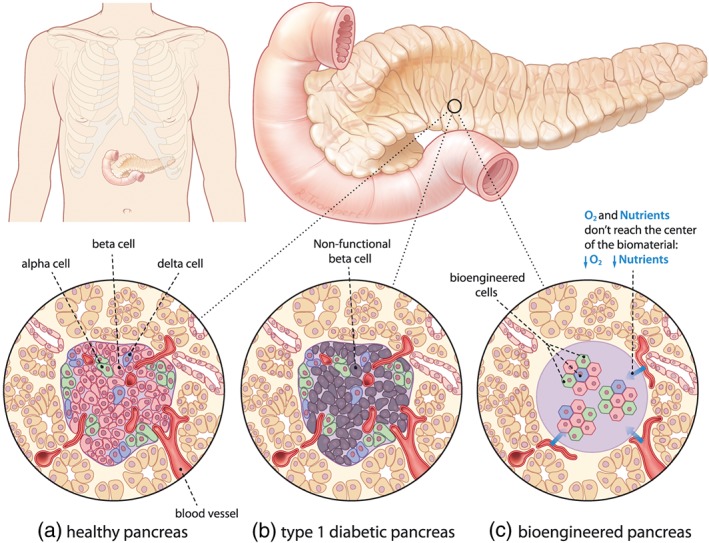
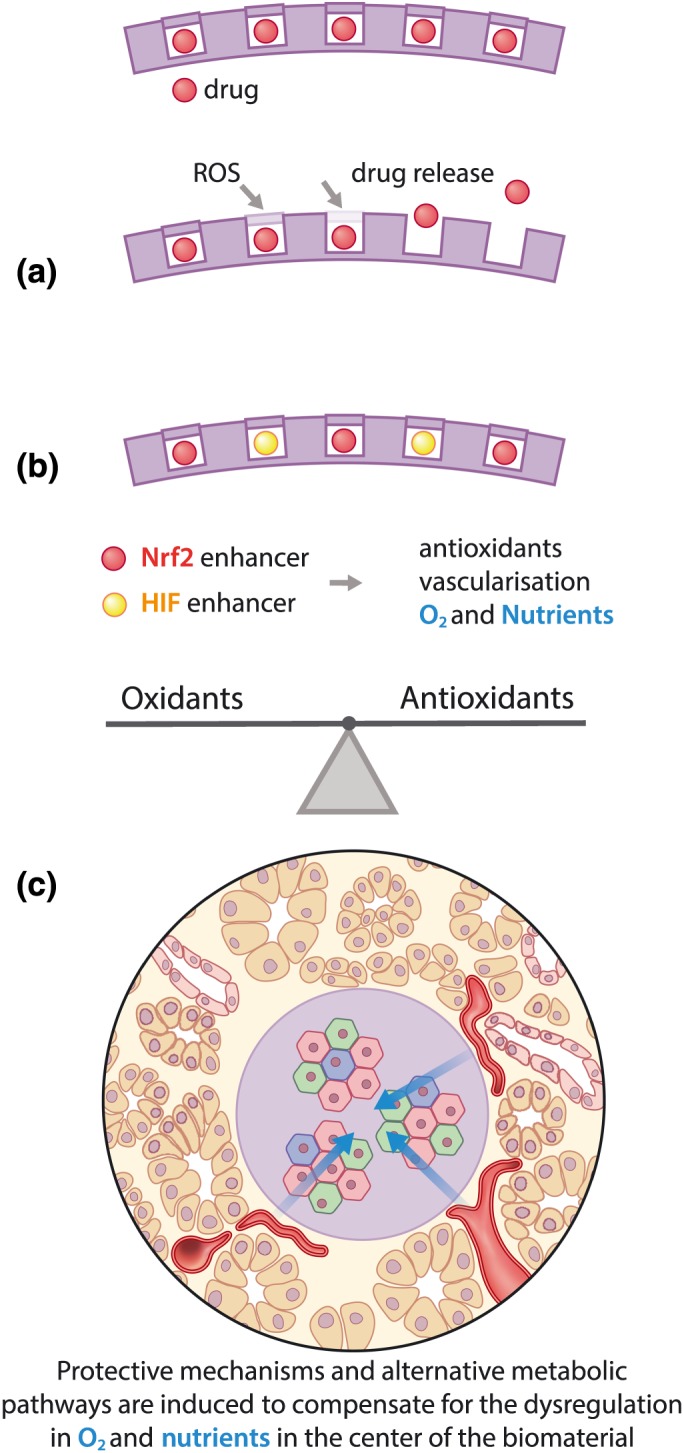
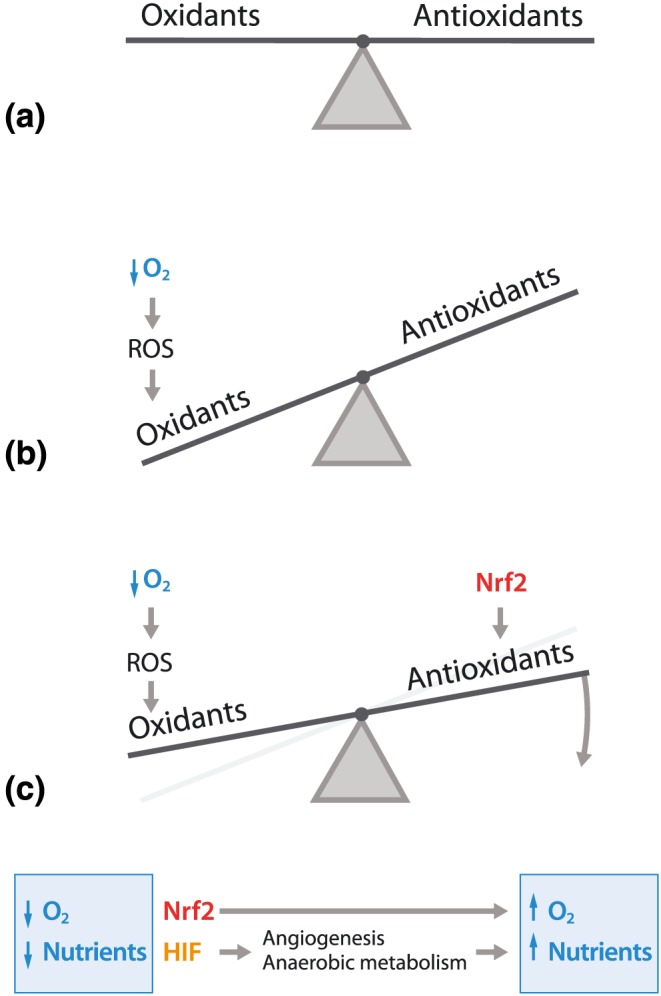
One of the biggest challenges in tissue engineering and regenerative medicine is to incorporate a functioning vasculature to overcome the consequences of a lack of oxygen and nutrients in the tissue construct. Otherwise, decreased oxygen tension leads to incomplete metabolism and the formation of the so-called reactive oxygen species (ROS). Cells have many endogenous antioxidant systems to ensure a balance between ROS and antioxidants, but if this balance is disrupted by factors such as high levels of ROS due to long-term hypoxia, there will be tissue damage and dysfunction. Current attempts to solve the oxygen problem in the field rarely take into account the importance of the redox balance and are instead centred on releasing or generating oxygen. The first problem with this approach is that although oxygen is necessary for life, it is paradoxically also a highly toxic molecule. Furthermore, although some oxygen-generating biomaterials produce oxygen, they also generate hydrogen peroxide, a ROS, as an intermediate product. In this review, we discuss why it would be a superior strategy to supplement oxygen delivery with molecules to safeguard the important redox balance. Redox sensor proteins that can stimulate the anaerobic metabolism, angiogenesis, and enhancement of endogenous antioxidant systems are discussed as promising targets. We propose that redox regulating biomaterials have the potential to tackle some of the challenges related to angiogenesis and that the knowledge in this review will help scientists in tissue engineering and regenerative medicine realize this aim.
在组织工程和再生医学中,最大的挑战之一是构建具有功能的脉管系统,以克服组织构建中缺氧和营养物质不足的后果。否则,氧分压降低会导致代谢不完全,并形成所谓的活性氧(ROS)。细胞有许多内源性抗氧化系统来确保 ROS 和抗氧化剂之间的平衡,但如果这种平衡被诸如由于长期缺氧导致的高水平 ROS 等因素破坏,就会发生组织损伤和功能障碍。目前,该领域解决氧气问题的尝试很少考虑到氧化还原平衡的重要性,而是集中于释放或产生氧气。这种方法的第一个问题是,尽管氧气对生命是必需的,但它也是一种极具毒性的分子。此外,尽管一些产氧生物材料会产生氧气,但它们也会产生过氧化氢作为中间产物,这也是一种 ROS。在这篇综述中,我们讨论了为什么用分子来补充氧气输送以维持重要的氧化还原平衡是一种更优越的策略。我们讨论了作为有前途的靶点的能够刺激无氧代谢、血管生成和增强内源性抗氧化系统的氧化还原传感器蛋白。我们提出,氧化还原调节生物材料有可能解决与血管生成相关的一些挑战,并且本篇综述中的知识将帮助组织工程和再生医学领域的科学家实现这一目标。