Civil and Environmental Engineering, University of California, Berkeley, CA, USA.
Environ Sci Process Impacts. 2018 Aug 16;20(8):1089-1122. doi: 10.1039/c8em00047f.
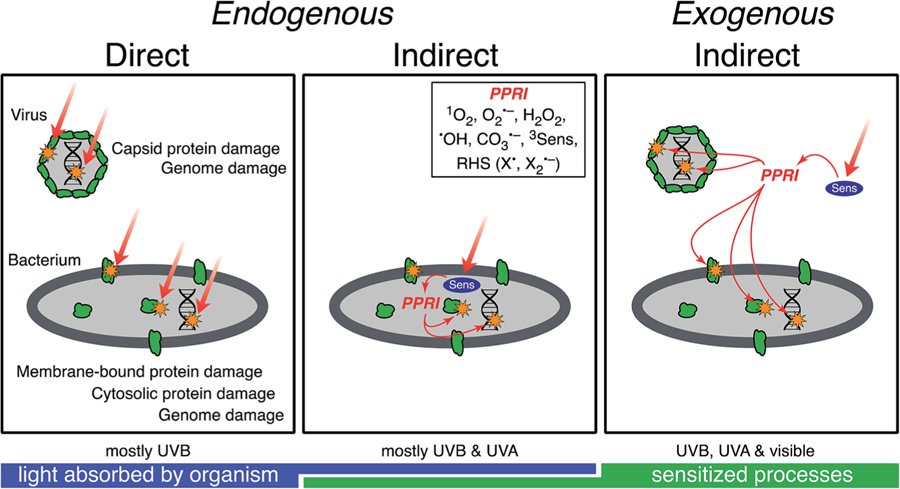
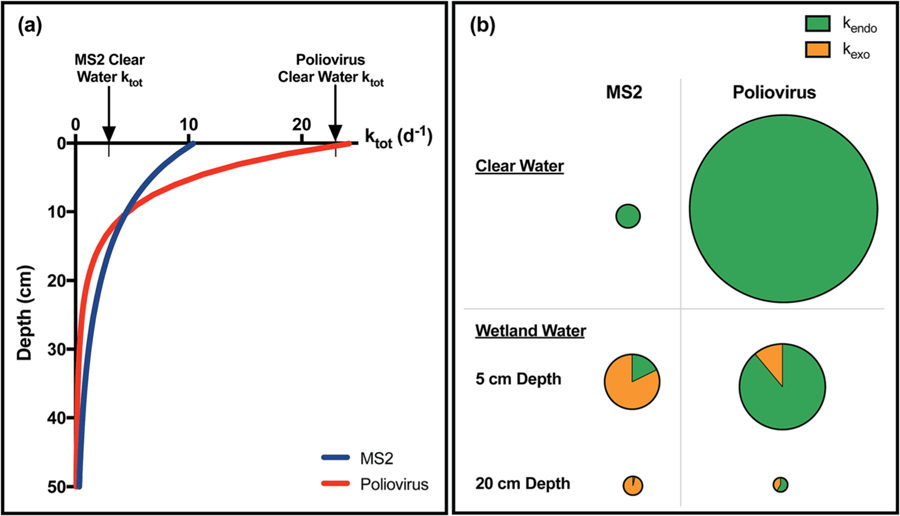
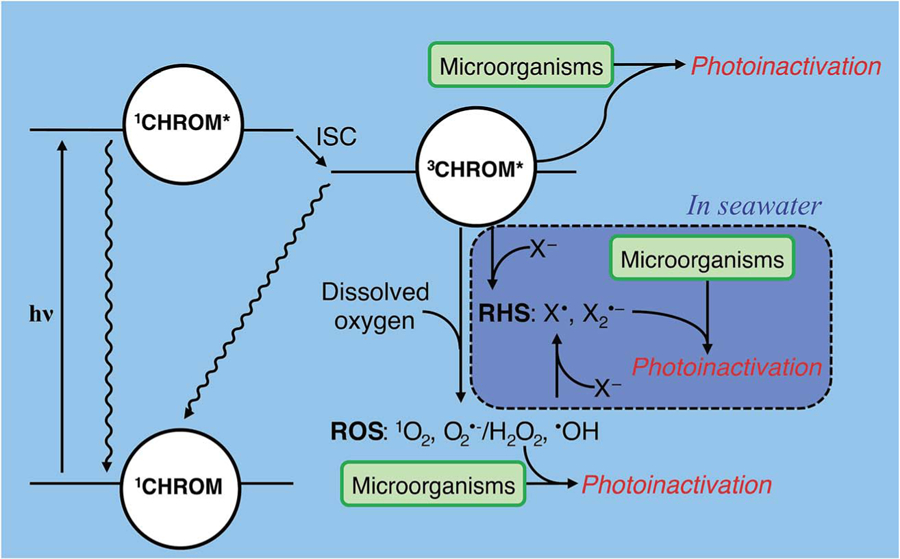
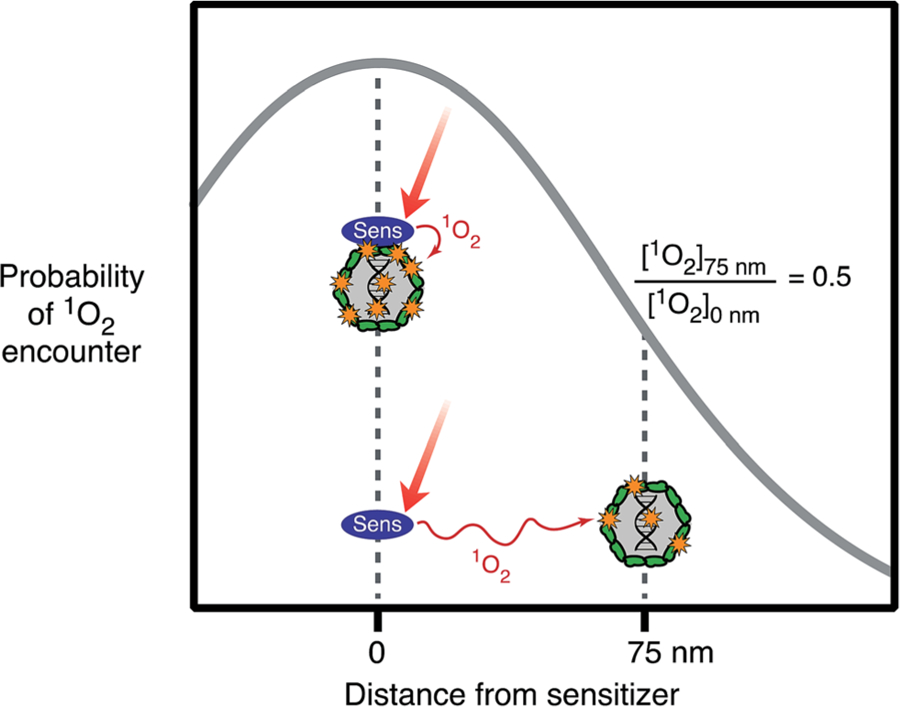
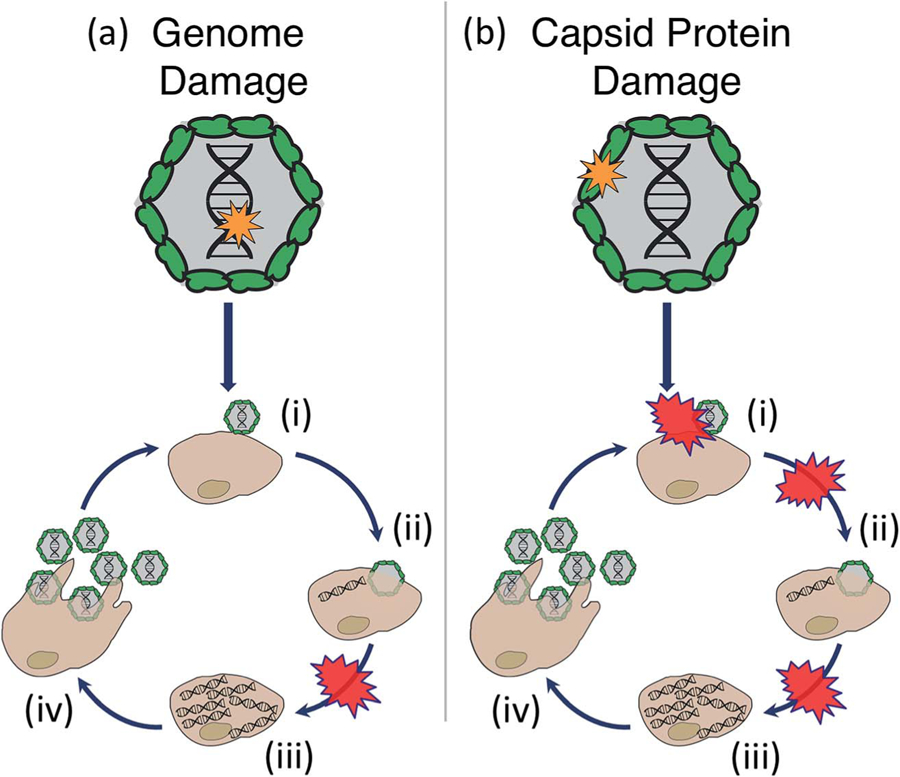
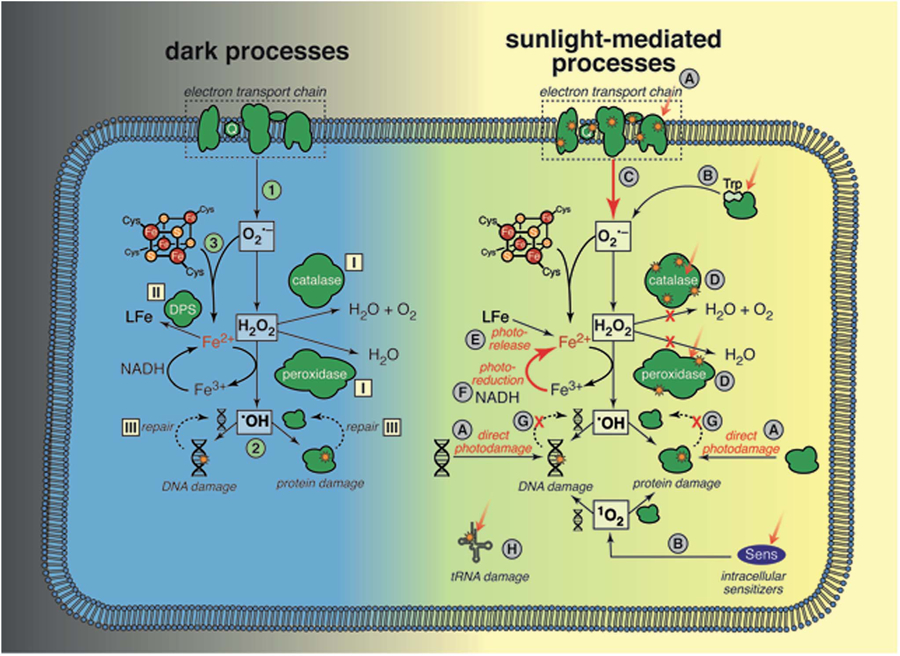
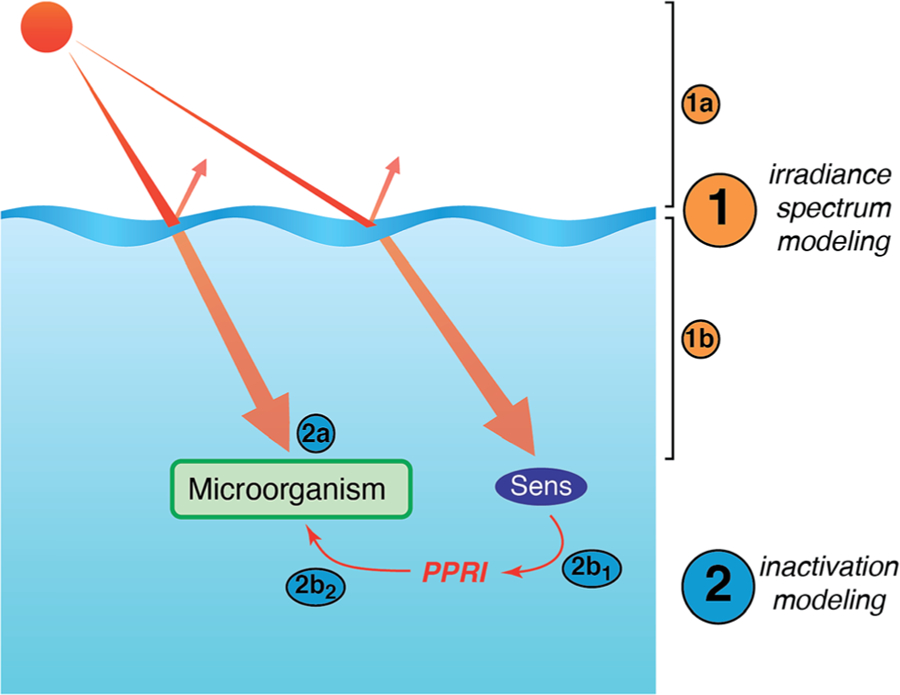
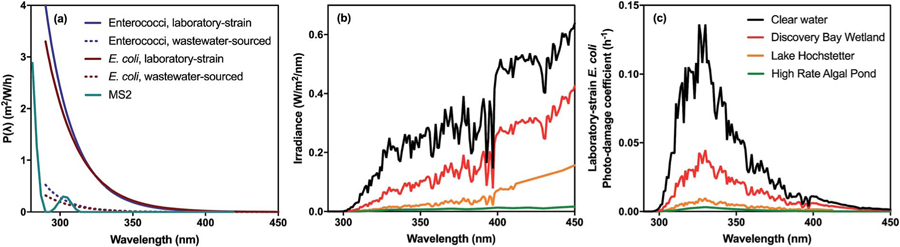
Health-relevant microorganisms present in natural surface waters and engineered treatment systems that are exposed to sunlight can be inactivated by a complex set of interacting mechanisms. The net impact of sunlight depends on the solar spectral irradiance, the susceptibility of the specific microorganism to each mechanism, and the water quality; inactivation rates can vary by orders of magnitude depending on the organism and environmental conditions. Natural organic matter (NOM) has a large influence, as it can attenuate radiation and thus decrease inactivation by endogenous mechanisms. Simultaneously NOM sensitizes the formation of reactive intermediates that can damage microorganisms via exogenous mechanisms. To accurately predict inactivation and design engineered systems that enhance solar inactivation, it is necessary to model these processes, although some details are not yet sufficiently well understood. In this critical review, we summarize the photo-physics, -chemistry, and -biology that underpin sunlight-mediated inactivation, as well as the targets of damage and cellular responses to sunlight exposure. Viruses that are not susceptible to exogenous inactivation are only inactivated if UVB wavelengths (280-320 nm) are present, such as in very clear, open waters or in containers that are transparent to UVB. Bacteria are susceptible to slightly longer wavelengths. Some viruses and bacteria (especially Gram-positive) are susceptible to exogenous inactivation, which can be initiated by visible as well as UV wavelengths. We review approaches to model sunlight-mediated inactivation and illustrate how the environmental conditions can dramatically shift the inactivation rate of organisms. The implications of this mechanistic understanding of solar inactivation are discussed for a range of applications, including recreational water quality, natural treatment systems, solar disinfection of drinking water (SODIS), and enhanced inactivation via the use of sensitizers and photocatalysts. Finally, priorities for future research are identified that will further our understanding of the key role that sunlight disinfection plays in natural systems and the potential to enhance this process in engineered systems.
天然地表水中存在的与健康相关的微生物和暴露于阳光下的工程处理系统中的微生物,可通过一系列相互作用的机制失活。阳光的净影响取决于太阳光谱辐照度、特定微生物对每种机制的敏感性以及水质;失效率可能因生物体和环境条件而异,幅度可达几个数量级。天然有机物 (NOM) 有很大的影响,因为它可以衰减辐射,从而降低内源性机制的失活作用。同时,NOM 使形成的反应性中间体敏化,这些中间体可以通过外源性机制破坏微生物。为了准确预测失活作用并设计增强太阳光失活作用的工程系统,有必要对这些过程进行建模,尽管有些细节尚未得到充分理解。在这篇重要的综述中,我们总结了构成阳光介导失活作用的光物理、光化学和光生物学,以及损伤的靶标和细胞对阳光暴露的反应。如果不存在 UVB 波长(280-320nm),例如在非常清澈、开阔的水域或对 UVB 透明的容器中,那么对紫外线不敏感的病毒才会失活。细菌对稍长的波长敏感。一些病毒和细菌(特别是革兰氏阳性菌)对紫外线敏感,可见以及紫外线波长都可以引发外源性失活作用。我们综述了模拟阳光介导失活作用的方法,并说明了环境条件如何显著改变生物体的失活率。讨论了这种对太阳光失活作用的机制理解对一系列应用的意义,包括娱乐用水水质、自然处理系统、饮用水的太阳能消毒 (SODIS) 以及通过使用敏化剂和光催化剂增强失活作用。最后,确定了未来研究的优先事项,这些研究将进一步了解太阳光消毒在自然系统中的关键作用以及增强工程系统中这一过程的潜力。