Young Amanda J, Torres Sheila M, Koch Sandra N
Veterinary Clinical Sciences, University of Minnesota, St Paul, MN, USA.
JFMS Open Rep. 2018 Jul 23;4(2):2055116918786598. doi: 10.1177/2055116918786598. eCollection 2018 Jul-Dec.
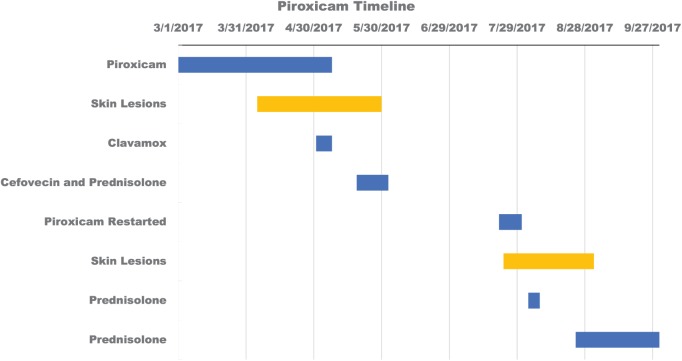
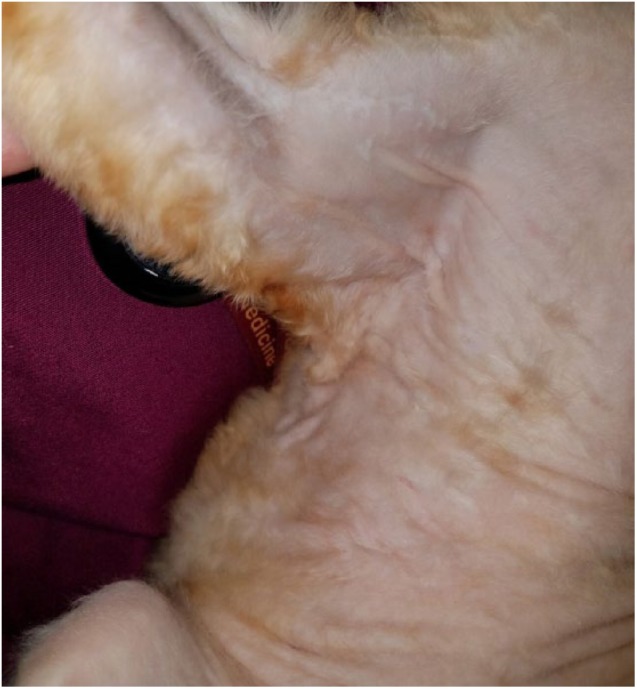
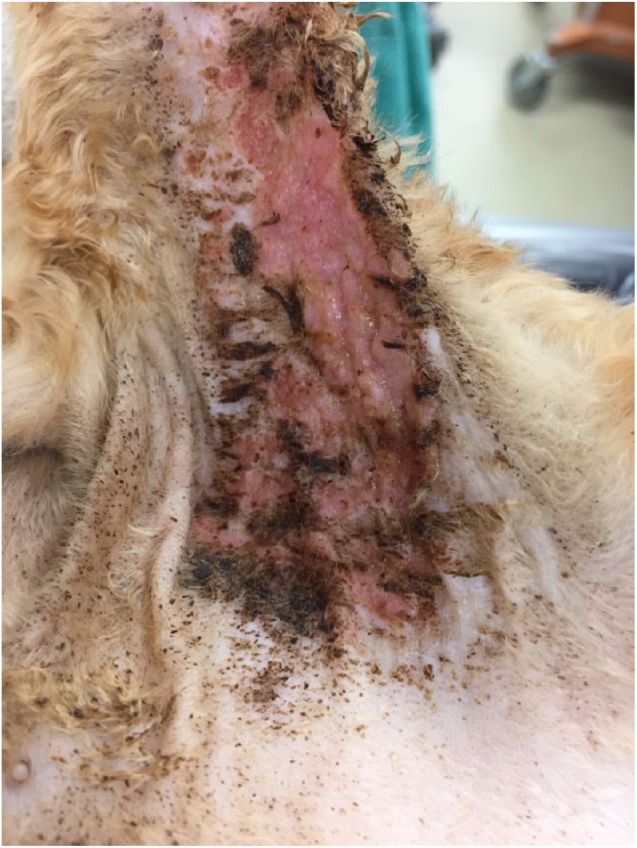
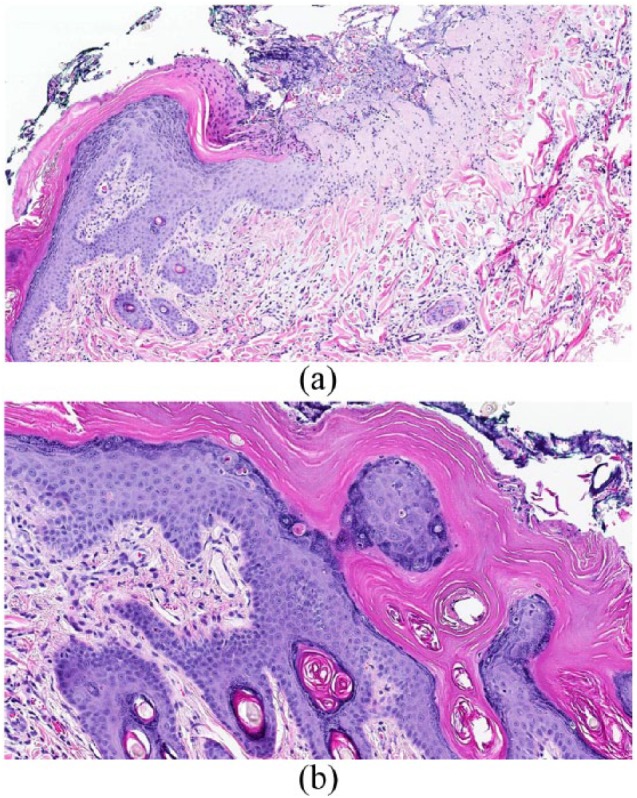
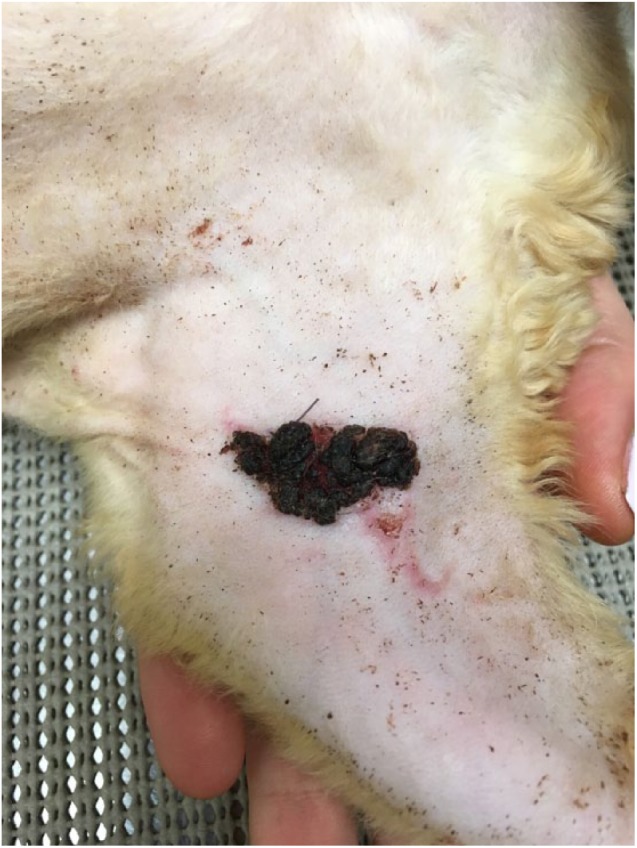
A 9-year-old male neutered Devon Rex cat presented with bilaterally symmetrical ulcerative lesions with mucopurulent exudate that developed rapidly. The lesions were apparent on the axillae, ventral abdomen and inguinal areas. The cat was systemically well. Piroxicam was being administered for palliative treatment of a previously diagnosed salivary adenocarcinoma. Histopathology revealed severe extensive epidermal ulceration with focal dyskeratotic keratinocytes in the stratum granulosum without lymphocyte satellitosis. Resolution of skin lesions was observed after discontinuing piroxicam. Similar lesions developed after previous piroxicam administration, further suggesting a possible adverse reaction to this drug. In addition, the Naranjo score indicated that piroxicam was a probable cause for the ulcerative skin lesions.
This is the first report of piroxicam, a non-steroidal anti-inflammatory drug, as a probable cause of ulcerative skin lesions in a cat.
一只9岁已绝育的德文卷毛猫出现双侧对称的溃疡性病变,并伴有迅速发展的黏液脓性渗出物。病变出现在腋窝、腹侧腹部和腹股沟区域。这只猫全身状况良好。吡罗昔康正在用于对先前诊断的唾液腺癌进行姑息治疗。组织病理学显示严重广泛的表皮溃疡,颗粒层有局灶性角化不良的角质形成细胞,无淋巴细胞卫星现象。停用吡罗昔康后观察到皮肤病变消退。之前使用吡罗昔康后也曾出现类似病变,进一步提示可能对该药物有不良反应。此外,纳兰霍评分表明吡罗昔康可能是溃疡性皮肤病变的病因。
这是首次报道非甾体抗炎药吡罗昔康可能是猫溃疡性皮肤病变的病因。