Department of Plant and Environmental Sciences, The Alexander Silberman Institute of Life Sciences, The Hebrew University of Jerusalem, Givat-Ram, Jerusalem, Israel.
PLoS One. 2018 Jul 30;13(7):e0201631. doi: 10.1371/journal.pone.0201631. eCollection 2018.
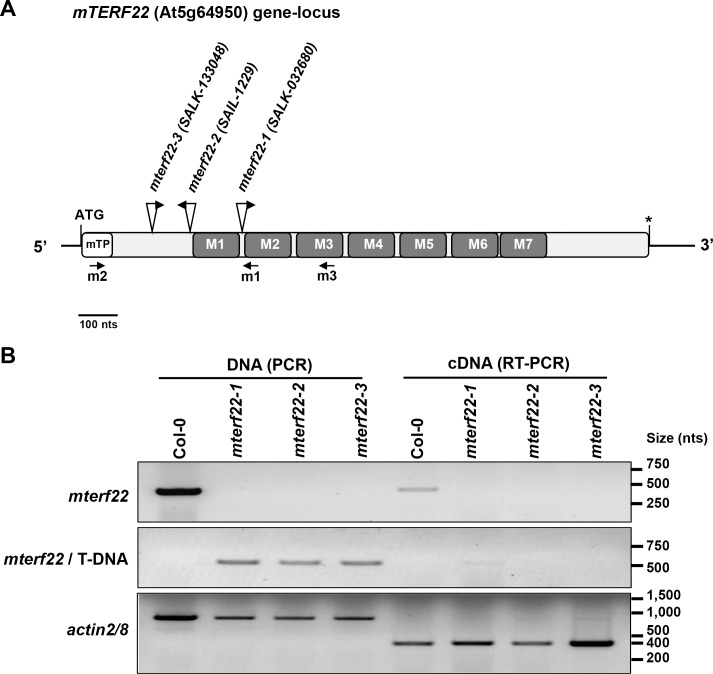
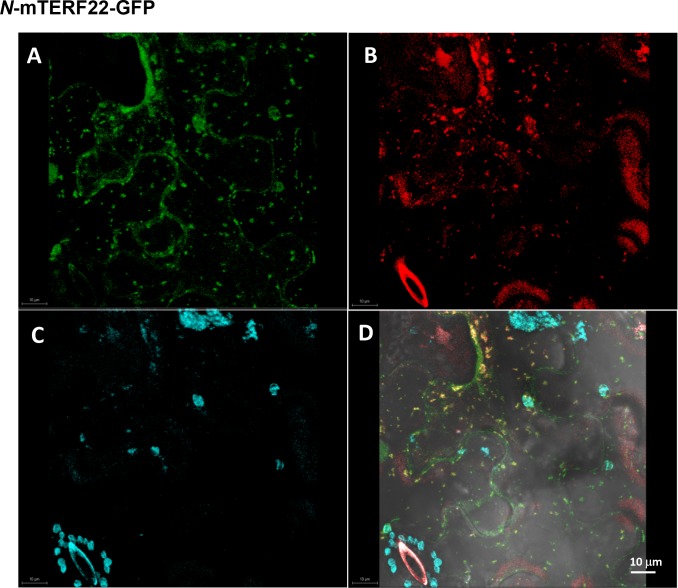
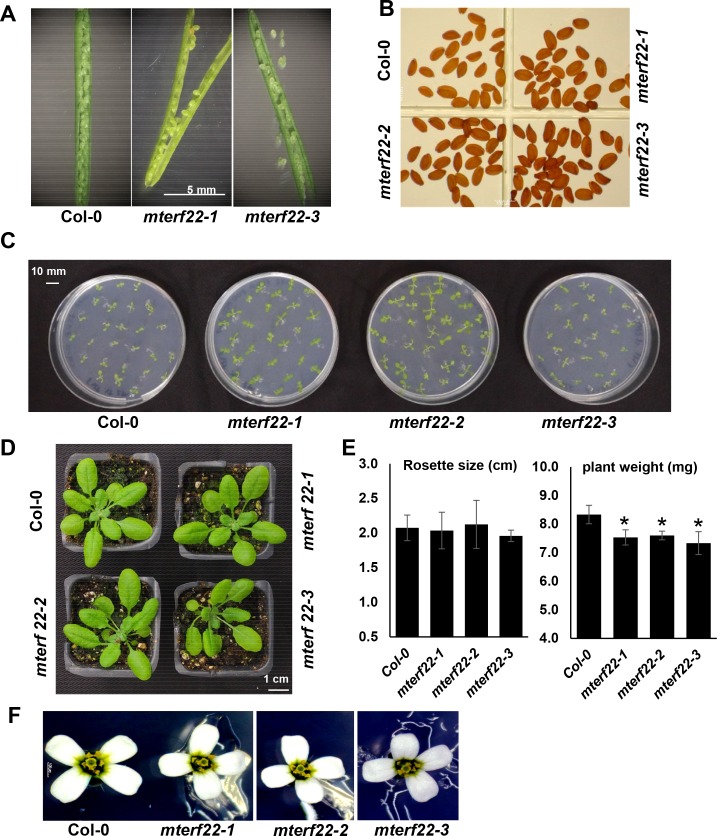
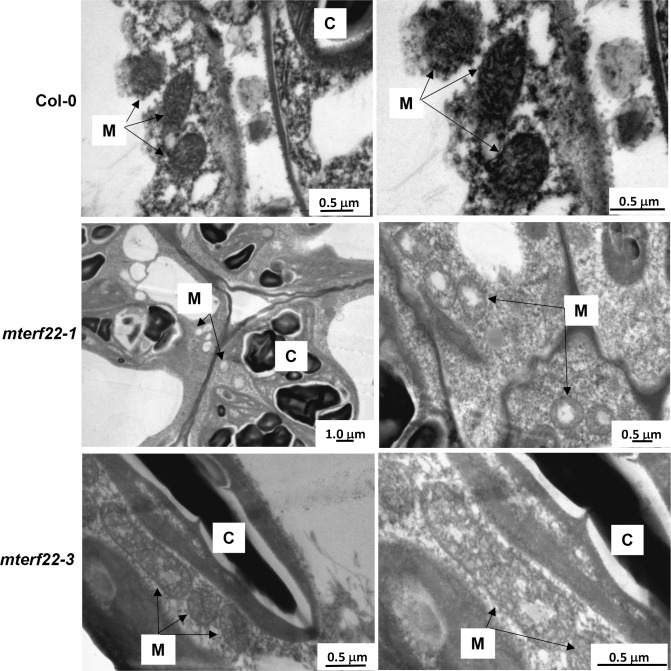
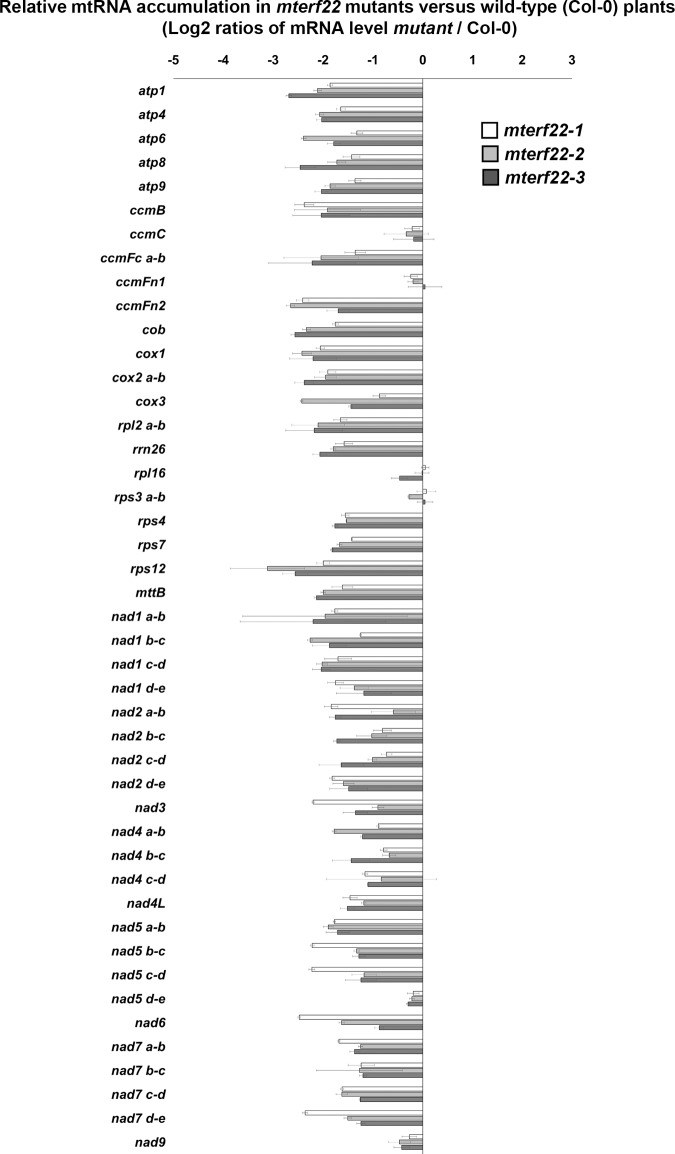
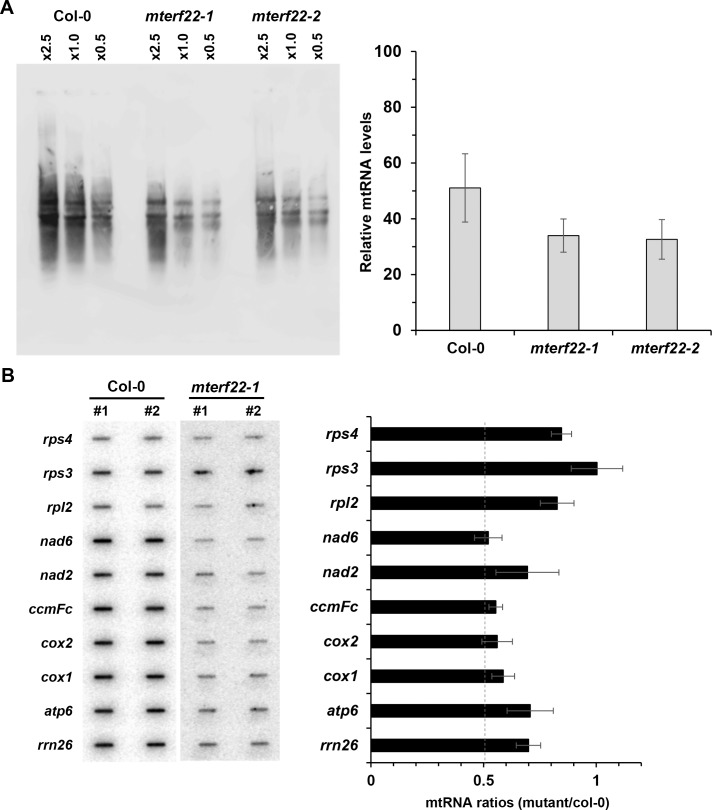
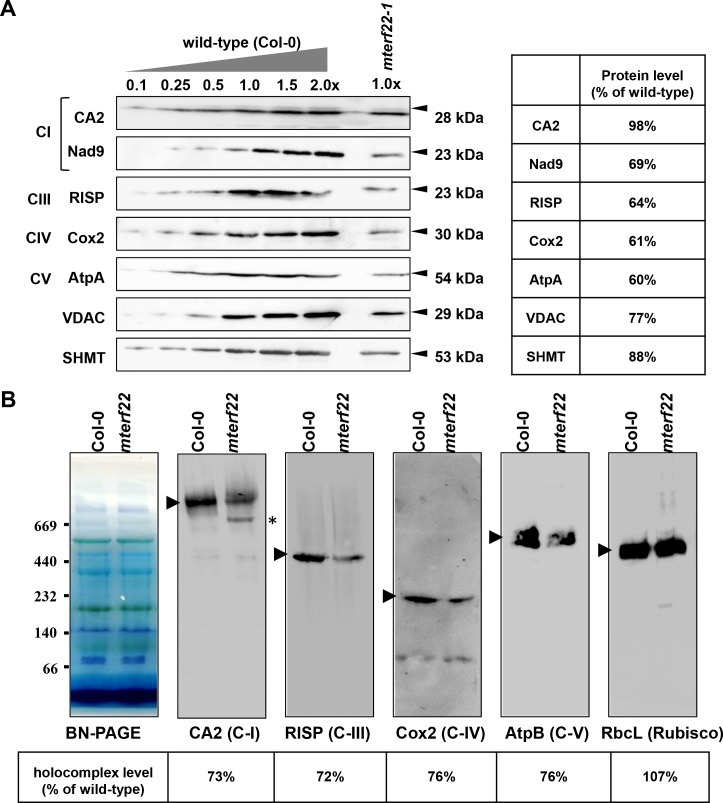
Mitochondria are key sites for cellular energy metabolism and are essential to cell survival. As descendants of eubacterial symbionts (specifically α-proteobacteria), mitochondria contain their own genomes (mtDNAs), RNAs and ribosomes. Plants need to coordinate their energy demands during particular growth and developmental stages. The regulation of mtDNA expression is critical for controlling the oxidative phosphorylation capacity in response to physiological or environmental signals. The mitochondrial transcription termination factor (mTERF) family has recently emerged as a central player in mitochondrial gene expression in various eukaryotes. Interestingly, the number of mTERFs has been greatly expanded in the nuclear genomes of plants, with more than 30 members in different angiosperms. The majority of the annotated mTERFs in plants are predicted to be plastid- or mitochondria-localized. These are therefore expected to play important roles in organellar gene expression in angiosperms. Yet, functions have been assigned to only a small fraction of these factors in plants. Here, we report the characterization of mTERF22 (At5g64950) which functions in the regulation of mtDNA transcription in Arabidopsis thaliana. GFP localization assays indicate that mTERF22 resides within the mitochondria. Disruption of mTERF22 function results in reduced mtRNA accumulation and altered organelle biogenesis. Transcriptomic and run-on experiments suggest that the phenotypes of mterf22 mutants are attributable, at least in part, to altered mitochondria transcription, and indicate that mTERF22 affects the expression of numerous mitochondrial genes in Arabidopsis plants.
线粒体是细胞能量代谢的关键部位,对细胞存活至关重要。作为真细菌共生体(特别是α-变形菌)的后代,线粒体含有自己的基因组(mtDNA)、RNA 和核糖体。植物需要在特定的生长和发育阶段协调其能量需求。mtDNA 表达的调节对于控制氧化磷酸化能力以响应生理或环境信号至关重要。线粒体转录终止因子(mTERF)家族最近在各种真核生物中线粒体基因表达中成为一个核心调控因子。有趣的是,mTERF 的数量在植物的核基因组中已经大大扩展,在不同的被子植物中有超过 30 个成员。植物中注释的 mTERFs 大多数被预测为质体或线粒体定位的。因此,它们预计在被子植物细胞器基因表达中发挥重要作用。然而,这些因子中的一小部分在植物中被赋予了功能。在这里,我们报道了 mTERF22(At5g64950)的特征,它在拟南芥中线粒体 DNA 转录的调节中起作用。GFP 定位分析表明 mTERF22 位于线粒体中。mTERF22 功能的破坏导致 mtRNA 积累减少和细胞器发生改变。转录组和运行实验表明,mterf22 突变体的表型至少部分归因于线粒体转录的改变,并表明 mTERF22 影响拟南芥植物中许多线粒体基因的表达。