Balakrishnan Arjun, Karki Rajendra, Berwin Brent, Yamamoto Masahiro, Kanneganti Thirumala-Devi
1Department of Immunology, St. Jude Children's Research Hospital, Memphis, TN 38105 USA.
2Department of Microbiology and Immunology, Geisel School of Medicine at Dartmouth, Lebanon, NH 03756 USA.
Cell Death Discov. 2018 Jun 27;4:3. doi: 10.1038/s41420-018-0068-z. eCollection 2018.
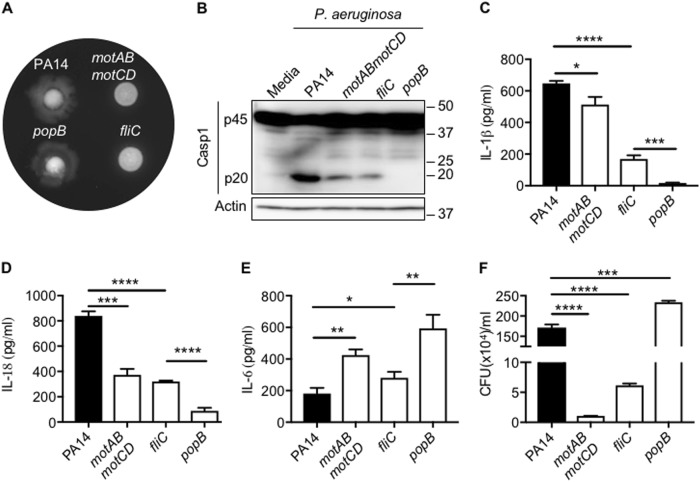
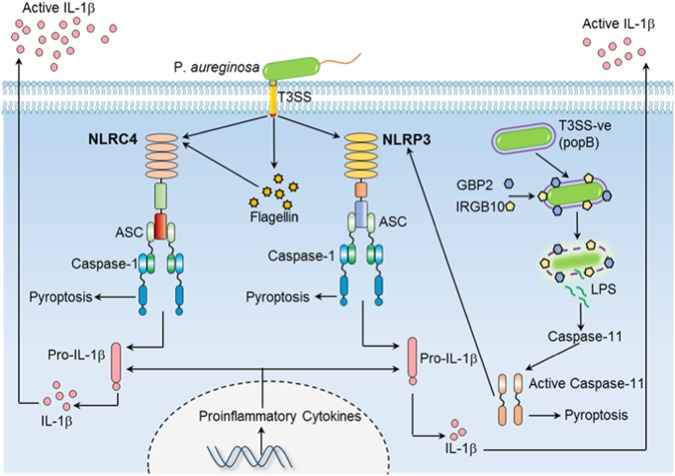
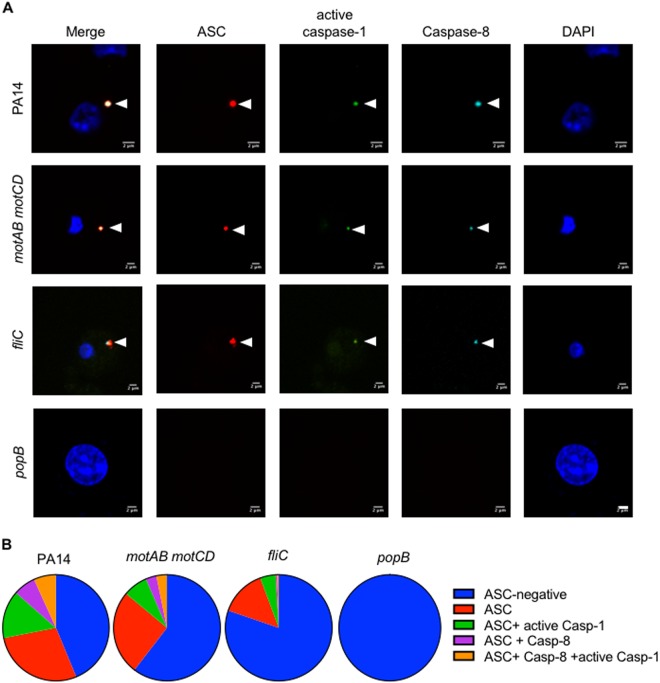
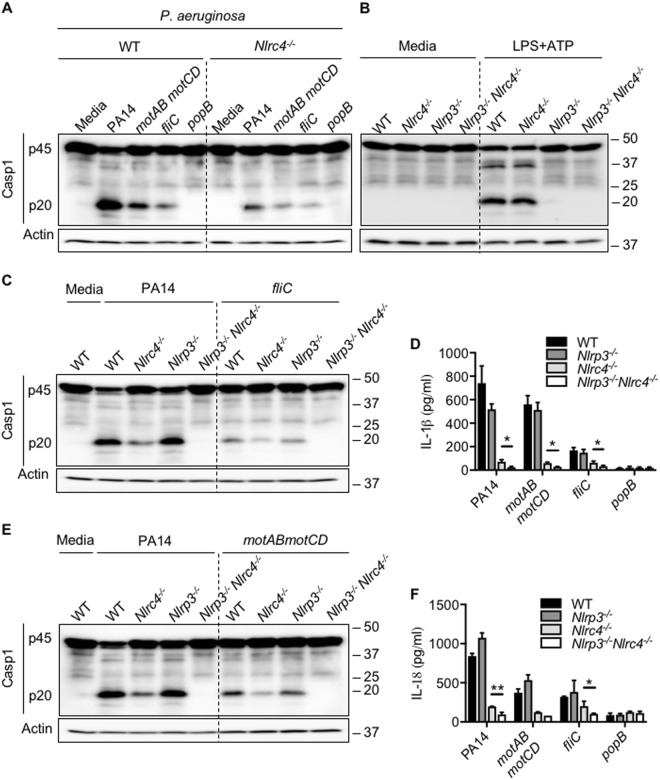
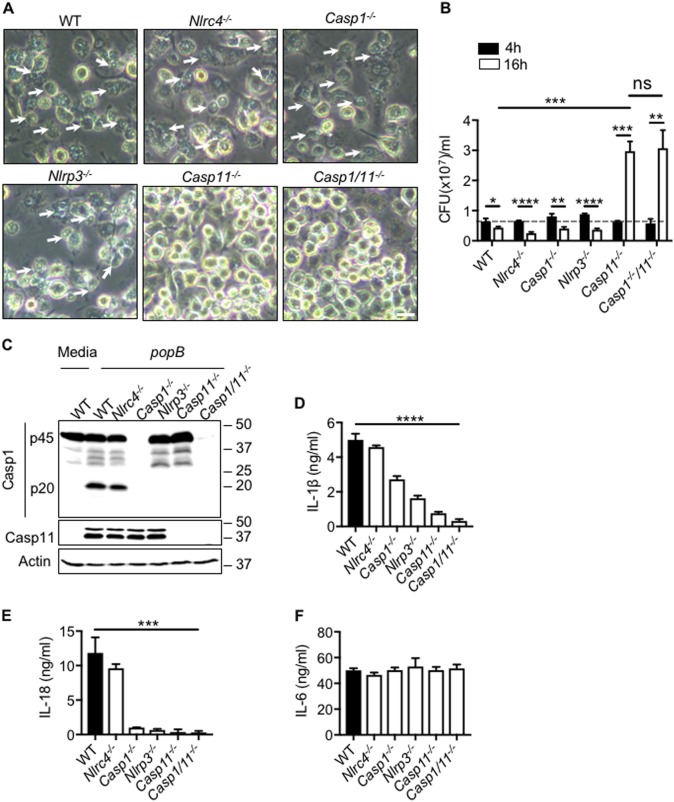
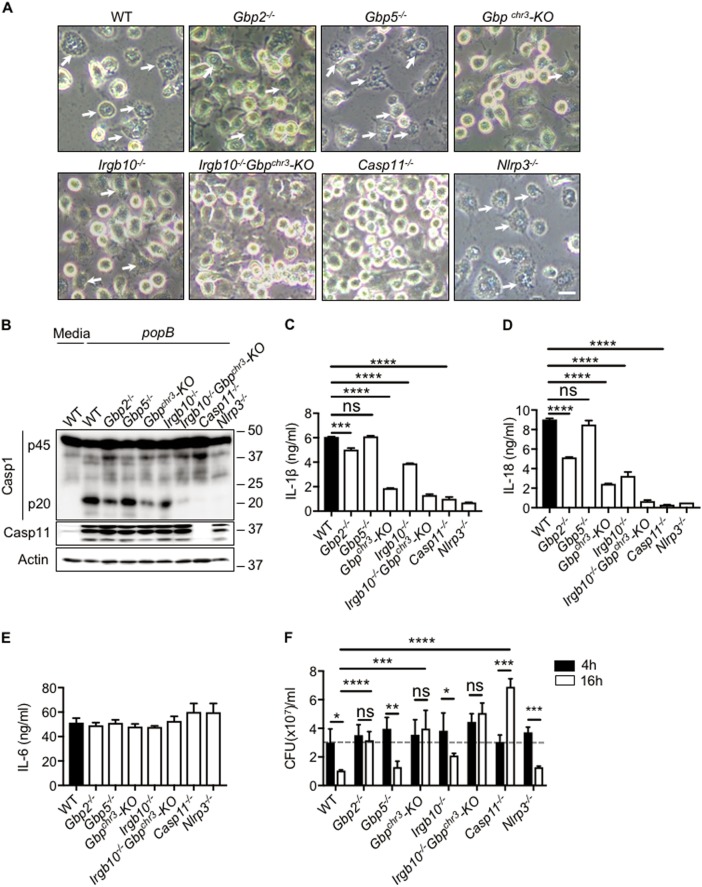
Detection of bacterial ligands is a pre-requisite for inflammasome activation. During infection, flagellin which is secreted through the T3SS is detected by the NLRC4 inflammasome. Activation of the NLRC4 inflammasome is believed to contribute to high IL-1β production and pathogenicity in cystic fibrosis patients with chronic infection. Interestingly, the majority of isolated from cystic fibrosis patients with chronic airway infection are non-motile and T3SS-negative, suggesting that yet un-characterized inflammasome pathways regulate IL-1β production in cystic fibrosis patients. Here we demonstrate the role of guanylate-binding proteins (GBPs) in regulating bacterial proliferation and inflammasome activation in response to T3SS-negative . Bacterial ligands liberated by the action of GBP2 and IRGB10 activate caspase-11 and regulate non-canonical NLRP3 inflammasome activation and IL-1β release. Overall, our results reveal the role of caspase-11 in inhibiting bacterial proliferation and promoting IL-1β secretion during T3SS-negative infection. This study suggests that non canonical inflammasomes might have co-evolved to detect Gram-negative bacterial pathogens that have evolved to bypass detection by canonical NLRs.
检测细菌配体是炎性小体激活的先决条件。在感染期间,通过III型分泌系统(T3SS)分泌的鞭毛蛋白被NLRC4炎性小体检测到。据信,NLRC4炎性小体的激活有助于慢性感染的囊性纤维化患者产生高水平的白细胞介素-1β(IL-1β)并导致致病性。有趣的是,从患有慢性气道感染的囊性纤维化患者中分离出的大多数细菌是无运动能力且T3SS阴性的,这表明尚未明确的炎性小体途径调节囊性纤维化患者中IL-1β的产生。在这里,我们证明了鸟苷酸结合蛋白(GBPs)在调节细菌增殖和响应T3SS阴性细菌的炎性小体激活中的作用。由GBP2和IRGB10的作用释放的细菌配体激活半胱天冬酶-11,并调节非经典NLRP3炎性小体的激活和IL-1β的释放。总体而言,我们的结果揭示了半胱天冬酶-11在T3SS阴性细菌感染期间抑制细菌增殖和促进IL-1β分泌中的作用。这项研究表明,非经典炎性小体可能已经共同进化,以检测已经进化到绕过经典NLRs检测的革兰氏阴性细菌病原体。