Vincent Katy, Stagg Charlotte J, Warnaby Catherine E, Moore Jane, Kennedy Stephen, Tracey Irene
Wellcome Centre for Integrative Neuroimaging, FMRIB, Nuffield Department of Clinical Neurosciences, Nuffield Division of Anaesthetics, University of Oxford, Oxford, United Kingdom.
Nuffield Department of Women's and Reproductive Health, University of Oxford, Oxford, United Kingdom.
Front Endocrinol (Lausanne). 2018 Jul 23;9:413. doi: 10.3389/fendo.2018.00413. eCollection 2018.
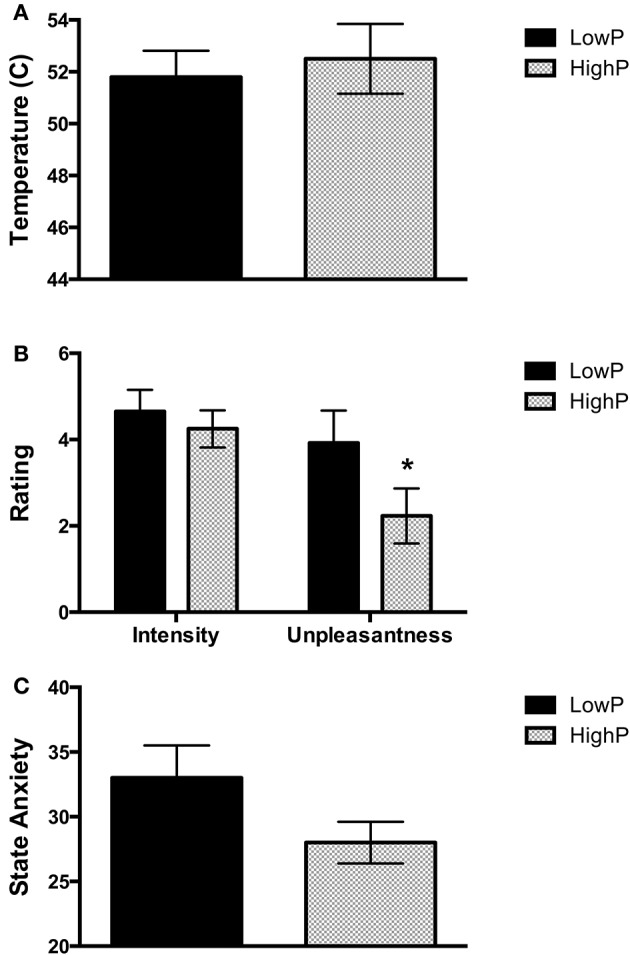
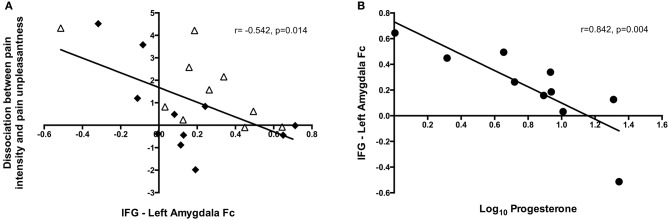
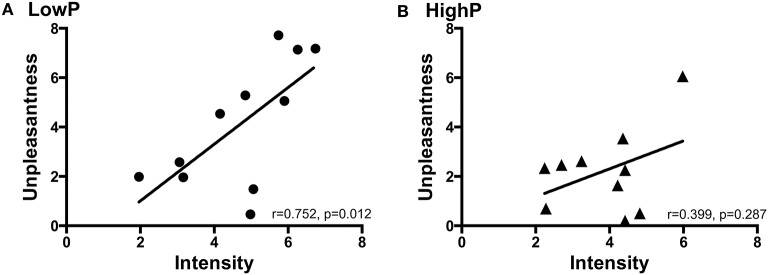
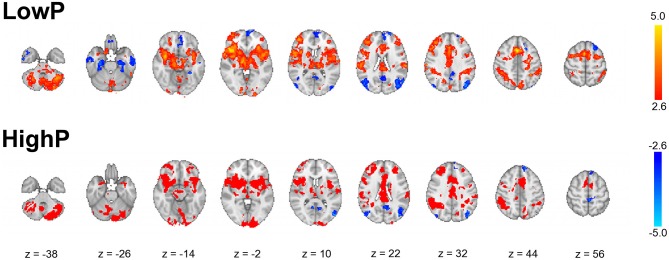
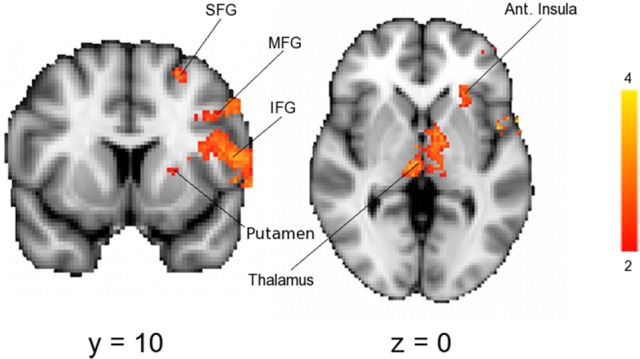
Pregnancy-induced analgesia is known to occur in association with the very high levels of estradiol and progesterone circulating during pregnancy. In women with natural ovulatory menstrual cycles, more modest rises in these hormones occur on a monthly basis. We therefore hypothesized that the high estradiol high progesterone state indicative of ovulation would be associated with a reduction in the pain experience. We used fMRI and a noxious thermal stimulus to explore the relationship between sex steroid hormones and the pain experience. Specifically, we assessed the relationship with stimulus-related activity in key regions of networks involved in emotion regulation, and functional connectivity between these regions. We demonstrate that physiologically high progesterone levels are associated with a reduction in the affective component of the pain experience and a dissociation between pain intensity and unpleasantness. This dissociation is related to decreased functional connectivity between the inferior frontal gyrus and amygdala. Moreover, we have shown that in the pre-ovulatory state, the traditionally "male" sex hormone, testosterone, is the strongest hormonal regulator of pain-related activity and connectivity within the emotional regulation network. However, following ovulation the traditionally "female" sex hormones, estradiol and progesterone, appear to dominate. We propose that a phenomenon of "luteal analgesia" exists with potential reproductive advantages.
已知妊娠诱导的镇痛与孕期循环中极高水平的雌二醇和孕酮有关。在有自然排卵月经周期的女性中,这些激素每月会有较为适度的升高。因此,我们推测表明排卵的高雌二醇高孕酮状态会与疼痛体验的减轻有关。我们使用功能磁共振成像(fMRI)和有害热刺激来探究性类固醇激素与疼痛体验之间的关系。具体而言,我们评估了与参与情绪调节的网络关键区域中与刺激相关的活动之间的关系,以及这些区域之间的功能连接性。我们证明,生理上高孕酮水平与疼痛体验的情感成分减轻以及疼痛强度与不适感之间的分离有关。这种分离与额下回和杏仁核之间功能连接性的降低有关。此外,我们已经表明,在排卵前状态,传统上的“男性”性激素睾酮是情绪调节网络内与疼痛相关活动和连接性的最强激素调节因子。然而,排卵后,传统上的“女性”性激素雌二醇和孕酮似乎占主导地位。我们提出存在一种具有潜在生殖优势的“黄体期镇痛”现象。