Shilo Dekel, Emodi Omri, Blanc Ori, Noy Dani, Rachmiel Adi
Department of Oral and Maxillofacial Surgery, Rambam Health Care Campus, Haifa, Israel.
Bruce Rappaport Faculty of Medicine, Technion-Israel Institute of Technology, Haifa, Israel.
Rambam Maimonides Med J. 2018 Jul 30;9(3):e0020. doi: 10.5041/RMMJ.10343.
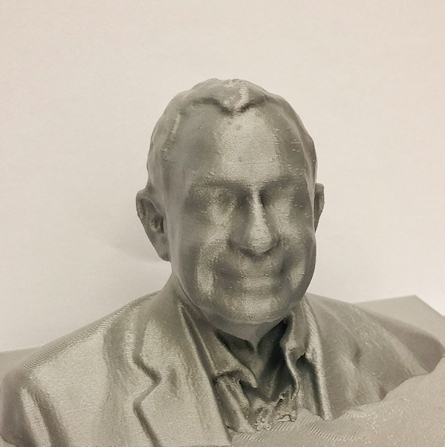
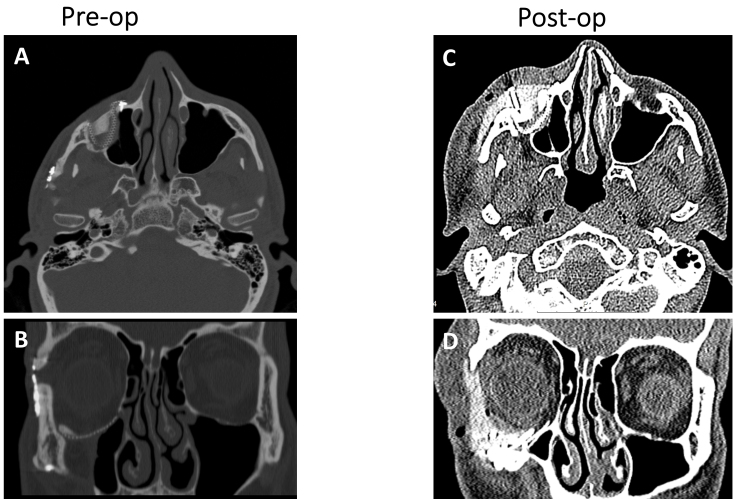
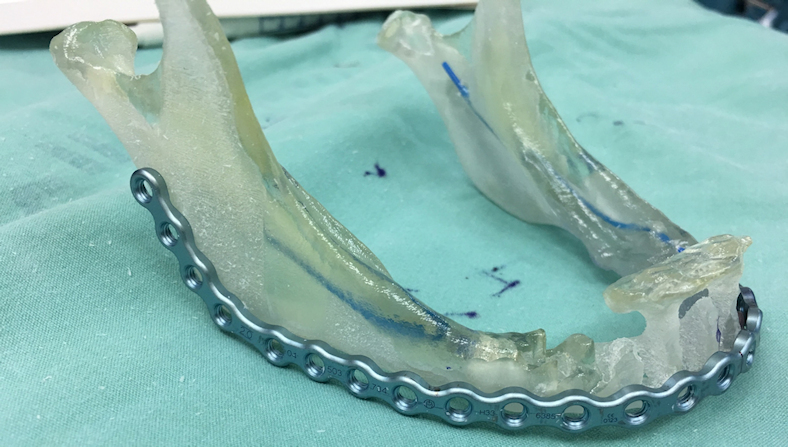
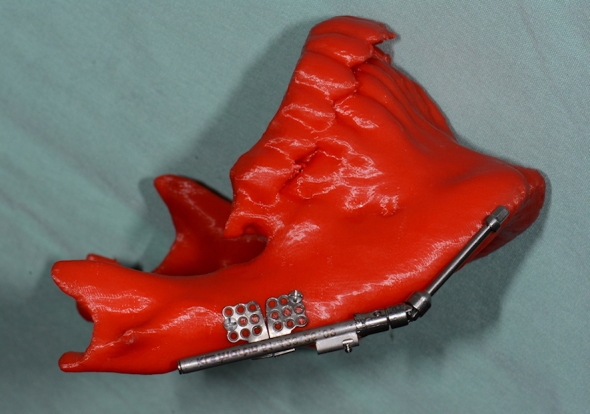
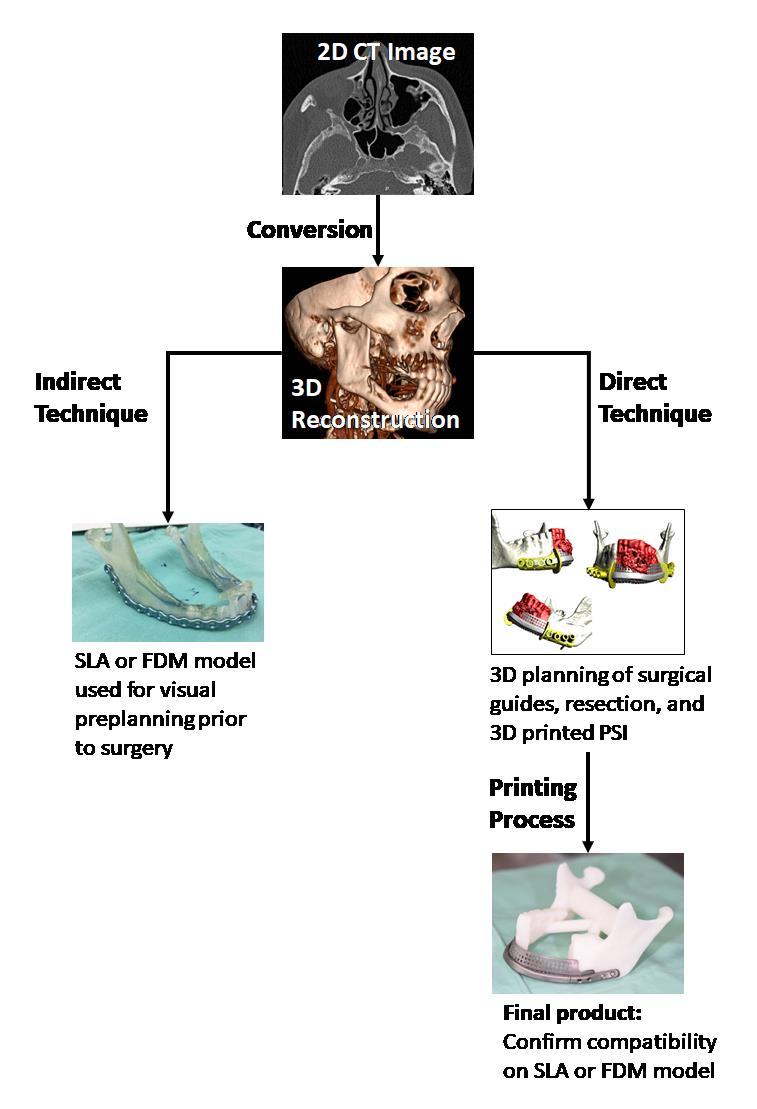
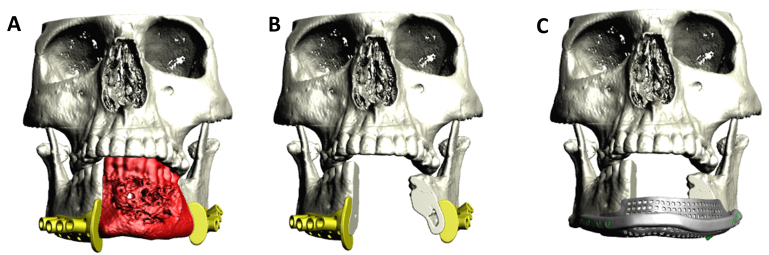
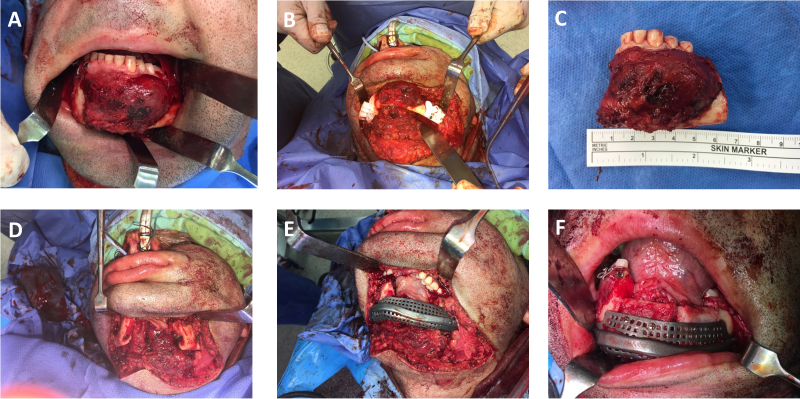
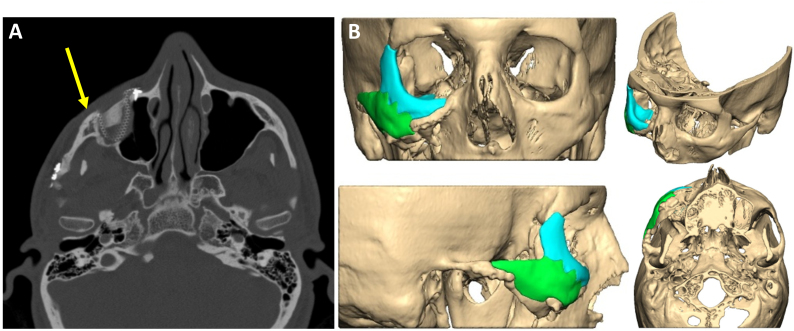
Three-dimensional (3D) printing is based on additive technology in which layers of materials are gradually placed to create 3D objects. The world of 3D printing is a rapidly evolving field in the medical industry as well as in most sectors of our lives. In this report we present current technological possibilities for 3D printing in the surgical field. There are different 3D printing modalities and much confusion among clinicians regarding the differences between them. Three-dimensional printing technologies can be classified based on the basic material used: solid, liquid, and powder. We describe the main printing methods from each modality and present their advantages while focusing on their applications in different fields of surgery, starting from 3D printing of models for preoperative planning up to patient-specific implants (PSI). We present the workflow of 3D printing for the different applications and our experience in 3D printing surgical guides as well as PSI. We include examples of 3D planning as well as clinical and radiological imaging of cases. Three-dimensional printing of models for preoperative planning enhances the 3D perception of the planned operation and allows for preadaptation of surgical instruments, thus shortening operation duration and improving precision. Three-dimensional printed PSI allow for accurate reconstruction of anatomic relations as well as efficiently restoring function. The application of PSI is expanding rapidly, and we will see many more innovative treatment modalities in the near future based on this technology.
三维(3D)打印基于增材制造技术,即通过逐层放置材料来创建三维物体。3D打印领域在医疗行业以及我们生活的大多数领域都在迅速发展。在本报告中,我们介绍了手术领域3D打印的当前技术可能性。3D打印有不同的模式,临床医生对它们之间的差异存在很多困惑。三维打印技术可以根据所使用的基本材料进行分类:固体、液体和粉末。我们描述了每种模式的主要打印方法,并介绍了它们的优点,同时重点介绍它们在不同手术领域的应用,从术前规划模型的3D打印到定制植入物(PSI)。我们展示了不同应用的3D打印工作流程以及我们在3D打印手术导板和PSI方面的经验。我们列举了3D规划的示例以及病例的临床和放射影像。术前规划模型的三维打印增强了对计划手术的三维感知,并允许对手术器械进行预适配,从而缩短手术时间并提高精度。三维打印的PSI能够精确重建解剖关系并有效恢复功能。PSI的应用正在迅速扩展,基于这项技术,在不久的将来我们将看到更多创新的治疗方式。