Kumar Ankit, Srivastava Priyanshu, Sirisena Pdnn, Dubey Sunil Kumar, Kumar Ramesh, Shrinet Jatin, Sunil Sujatha
Vector Borne Diseases Group, International Centre for Genetic Engineering and Biotechnology (ICGEB), New Delhi-110067, India.
Insects. 2018 Aug 8;9(3):95. doi: 10.3390/insects9030095.
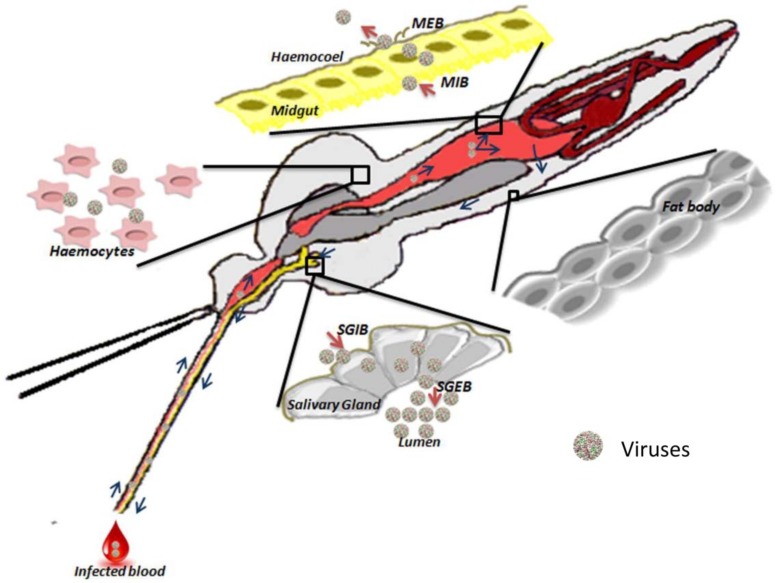
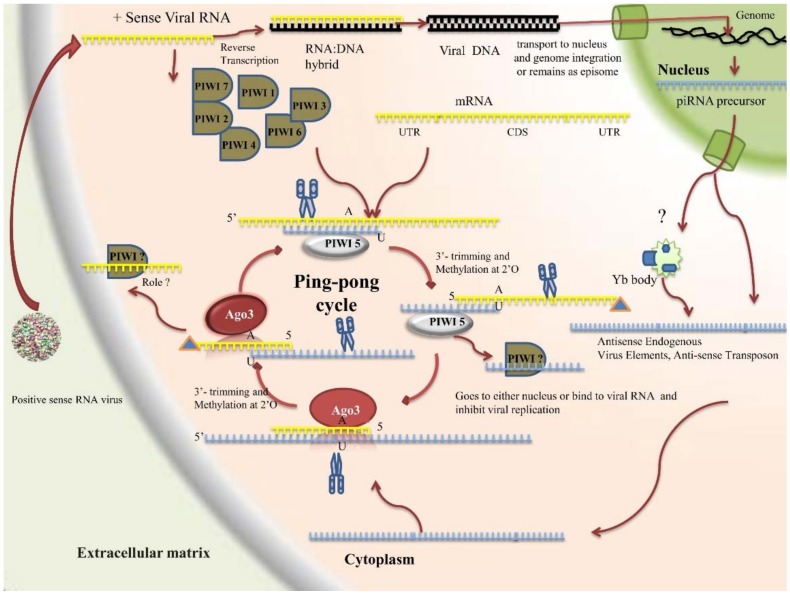
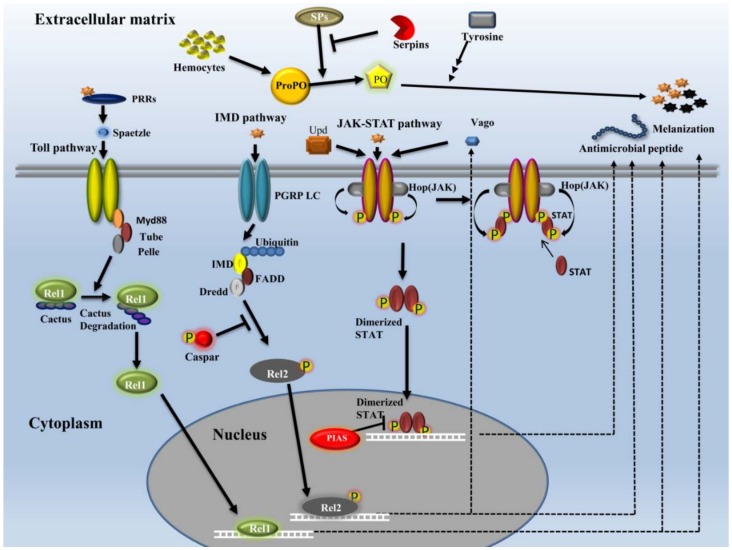
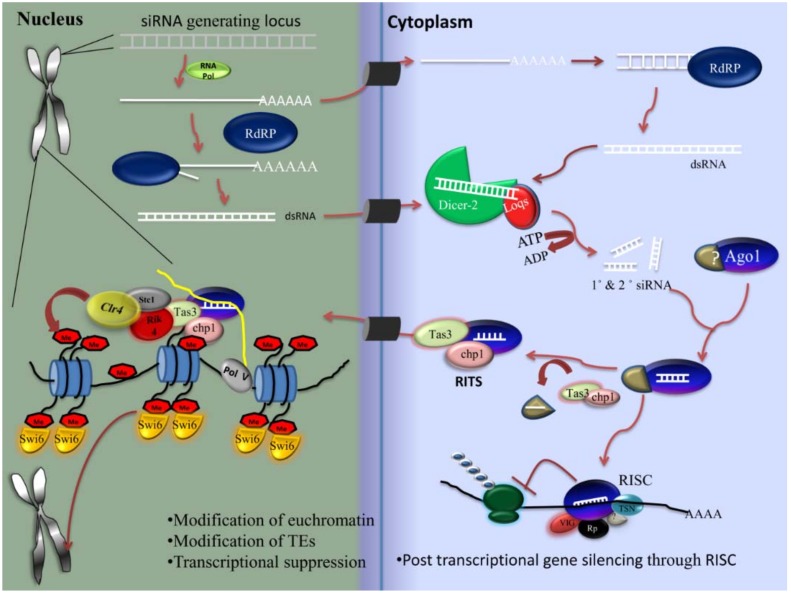
Mosquitoes live under the endless threat of infections from different kinds of pathogens such as bacteria, parasites, and viruses. The mosquito defends itself by employing both physical and physiological barriers that resist the entry of the pathogen and the subsequent establishment of the pathogen within the mosquito. However, if the pathogen does gain entry into the insect, the insect mounts a vigorous innate cellular and humoral immune response against the pathogen, thereby limiting the pathogen's propagation to nonpathogenic levels. This happens through three major mechanisms: phagocytosis, melanization, and lysis. During these processes, various signaling pathways that engage intense mosquito⁻pathogen interactions are activated. A critical overview of the mosquito immune system and latest information about the interaction between mosquitoes and pathogens are provided in this review. The conserved, innate immune pathways and specific anti-pathogenic strategies in mosquito midgut, hemolymph, salivary gland, and neural tissues for the control of pathogen propagation are discussed in detail.
蚊子生活在受到细菌、寄生虫和病毒等各种病原体感染的无尽威胁之下。蚊子通过利用物理和生理屏障来抵御病原体的侵入以及随后在蚊子体内的定植,从而保护自身。然而,如果病原体确实进入了昆虫体内,昆虫会针对病原体发起强烈的先天性细胞免疫和体液免疫反应,从而将病原体的繁殖限制在非致病水平。这通过三种主要机制实现:吞噬作用、黑化作用和裂解作用。在这些过程中,各种涉及强烈蚊子与病原体相互作用的信号通路被激活。本综述提供了蚊子免疫系统的关键概述以及关于蚊子与病原体相互作用的最新信息。详细讨论了蚊子中肠、血淋巴、唾液腺和神经组织中用于控制病原体繁殖的保守先天性免疫途径和特定抗病原体策略。