Toxicology Research Center, Ahvaz Jundishapur University of Medical Sciences, Ahvaz, Iran.
Department of Toxicology, School of Pharmacy, Ahvaz Jundishapur University of Medical Sciences, Ahvaz, Iran.
Sci Rep. 2018 Aug 10;8(1):11960. doi: 10.1038/s41598-018-30439-0.
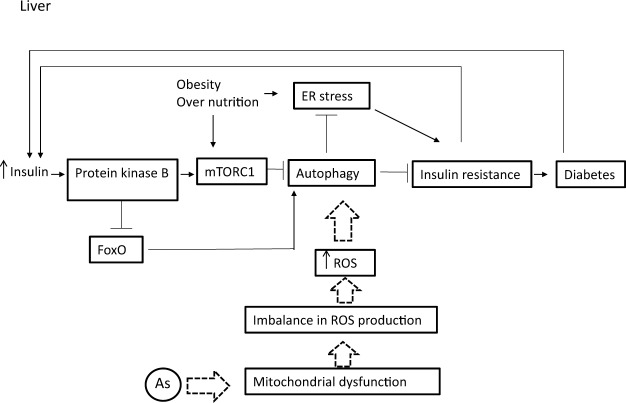
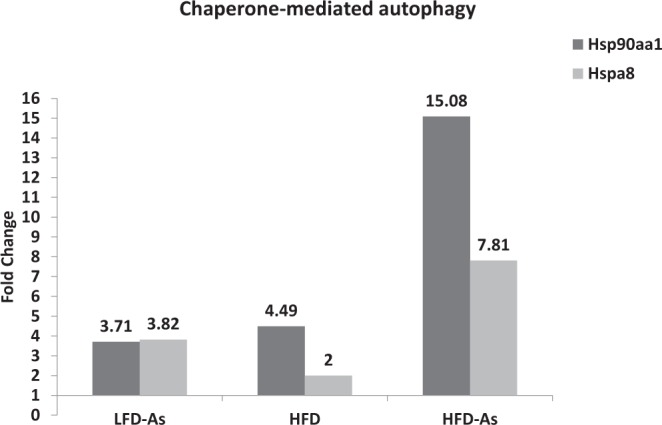
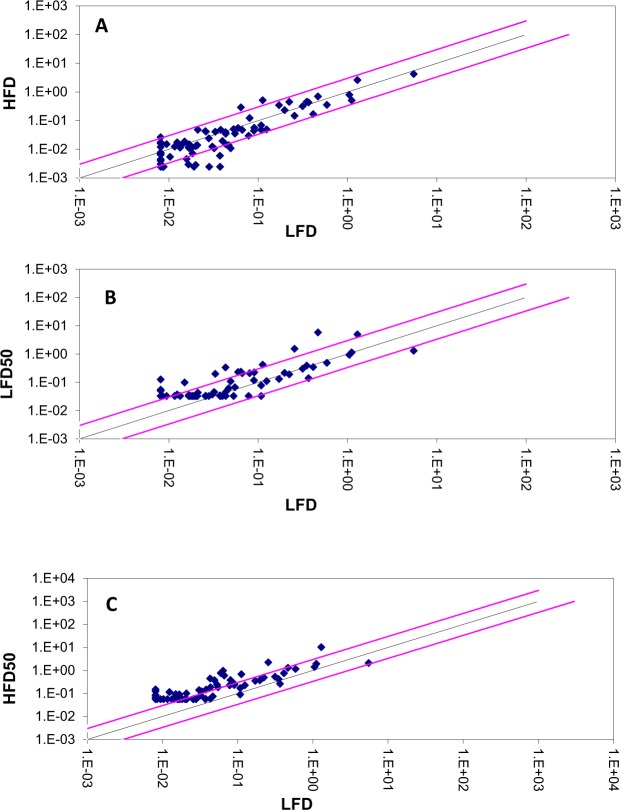
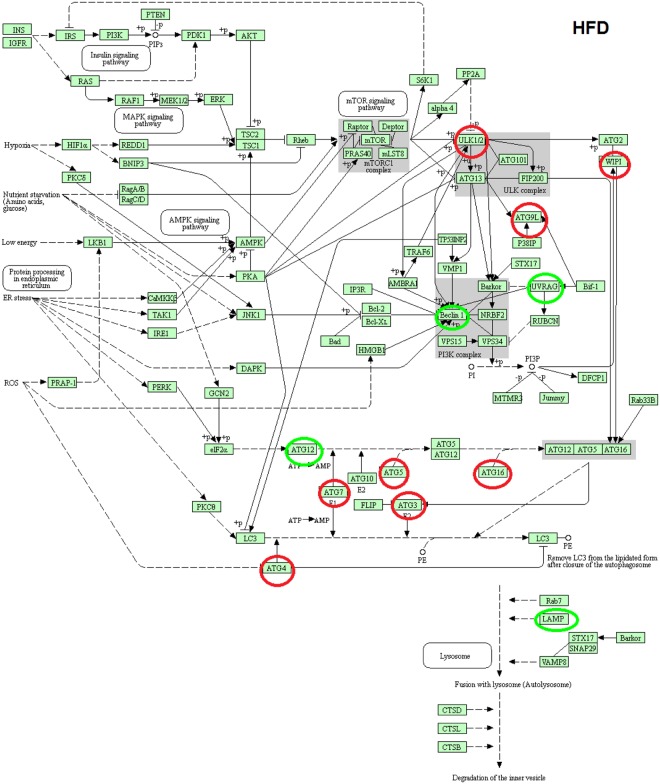
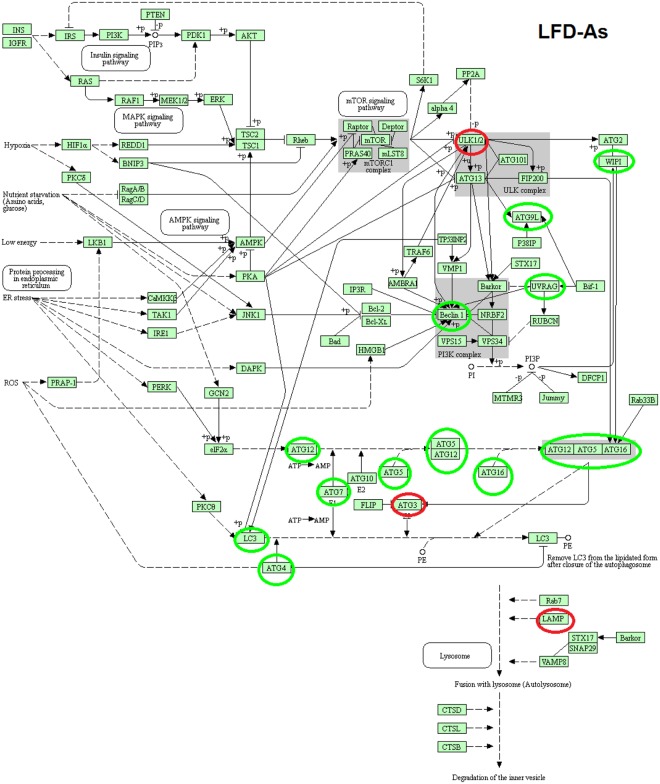
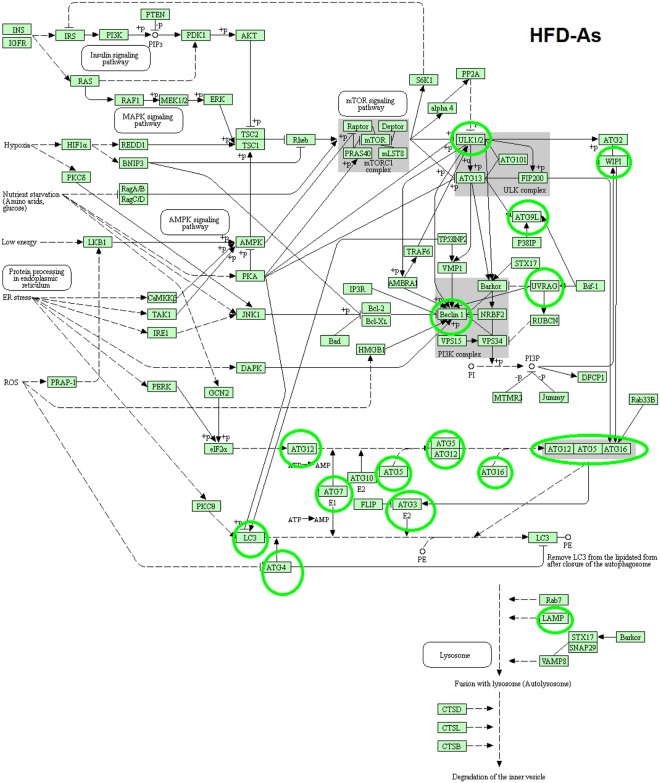
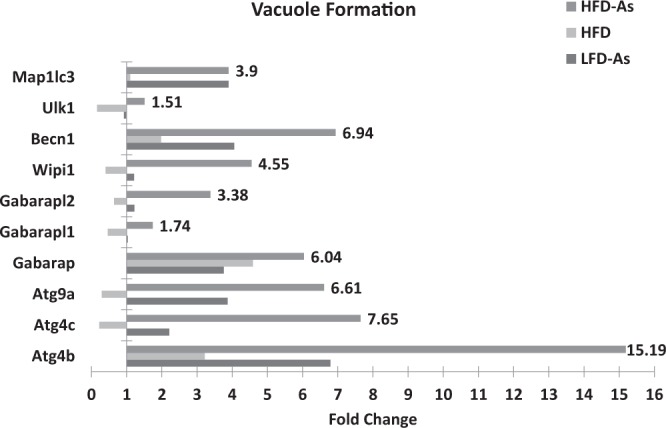
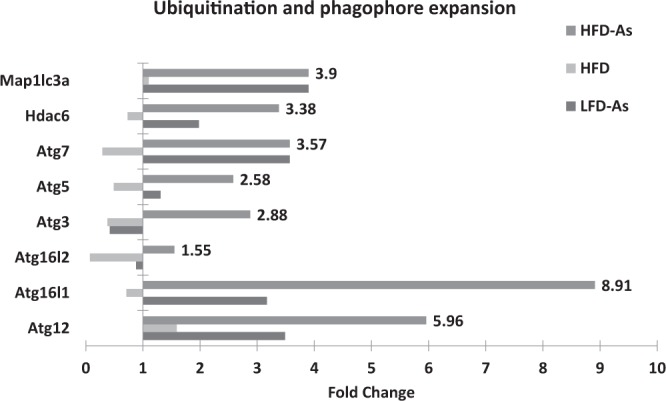
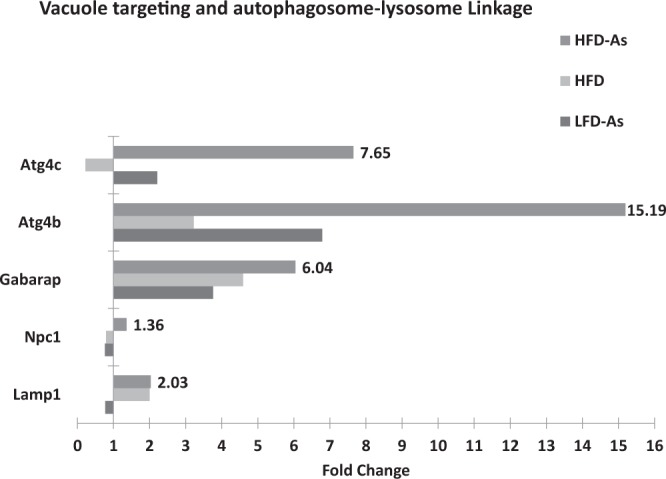
The key features of type 2 diabetes mellitus (T2DM) caused by high fat diet (HFD) in combination with arsenic (As) exposure (pronounced glucose intolerance despite a significant decrease in insulin resistance) are different from those expected for T2DM. Autophagy has been considered as a possible link between insulin resistance and obesity. Therefore in this study, we utilized autophagy gene expression profiling via real-time RT-PCR array analysis in livers of NMRI mice exposed to an environmentally relevant and minimally cytotoxic concentration of arsenite (50 ppm) in drinking water while being fed with a HFD for 20 weeks. Out of 84 genes associated with autophagy under study, 21 genes were related to autophagy machinery components of which 13 genes were downregulated when HDF diet was applied. In this study, for the first time, it was shown that the exposure to arsenic in the livers of mice chronically fed with HFD along with increased oxidative stress resulted in the restoration of autophagy [upregulation of genes involved in the early phase of phagophore formation, phagophore expansion and autophagosome-lysosome linkage stages]. Considering the role of arsenic in the induction of autophagy; it can be argued that reduced insulin resistance in HFD - As induced diabetes may be mediated by autophagy upregulation.
高脂肪饮食(HFD)与砷(As)暴露相结合导致的 2 型糖尿病(T2DM)的主要特征(尽管胰岛素抵抗显著降低,但葡萄糖耐量明显受损)与预期的 2 型糖尿病不同。自噬已被认为是胰岛素抵抗和肥胖之间的可能联系。因此,在这项研究中,我们利用实时 RT-PCR 阵列分析检测了 NMRI 小鼠肝脏中的自噬基因表达谱,这些小鼠在饮用水中暴露于环境相关且最小细胞毒性浓度的亚砷酸盐(50ppm)的同时,还喂食了高脂肪饮食 20 周。在所研究的与自噬相关的 84 个基因中,有 21 个与自噬机制成分有关,其中 13 个基因在应用 HDF 饮食时下调。在这项研究中,首次表明,长期喂食 HFD 的小鼠肝脏中砷的暴露以及氧化应激的增加导致自噬的恢复[参与吞噬体形成、吞噬体扩张和自噬体-溶酶体连接阶段的早期阶段的基因上调]。考虑到砷在诱导自噬中的作用;可以认为,HFD-As 诱导的糖尿病中胰岛素抵抗的降低可能是通过自噬上调介导的。