Whitau Rose, Vannieuwenhuyse Dorcas, Dotte-Sarout Emilie, Balme Jane, O'Connor Sue
1Archaeology and Natural History, School of Culture History and Language, College of Asia and the Pacific, Australian National University, Canberra, Australia.
2Archaeology M257, University of Western Australia, 35 Stirling Highway, Crawley, WA 6009 Australia.
J Archaeol Method Theory. 2018;25(3):739-776. doi: 10.1007/s10816-017-9354-y. Epub 2017 Oct 26.
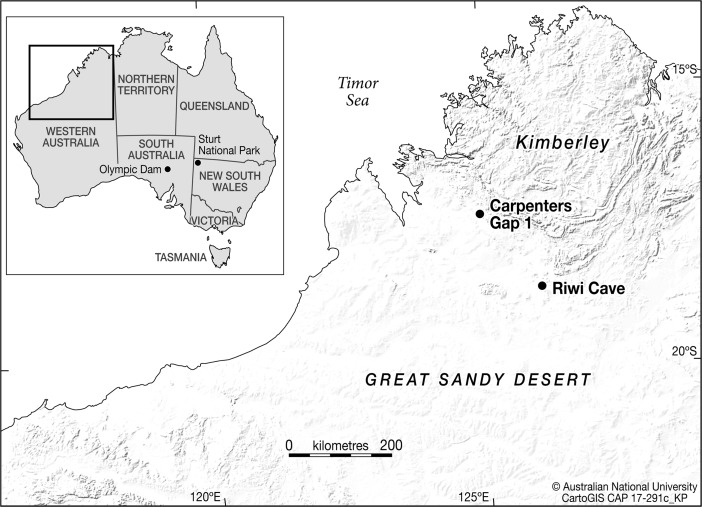
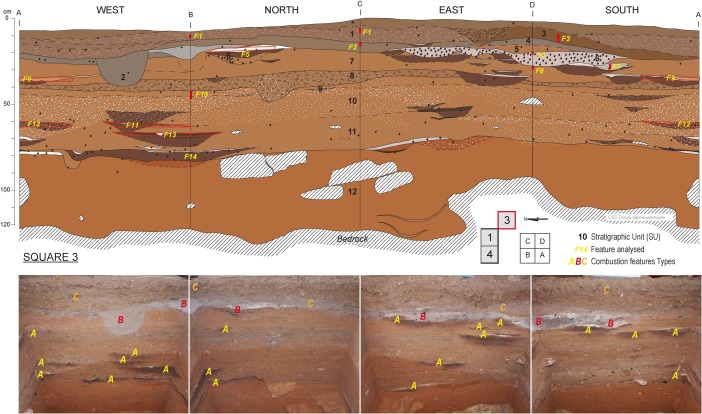
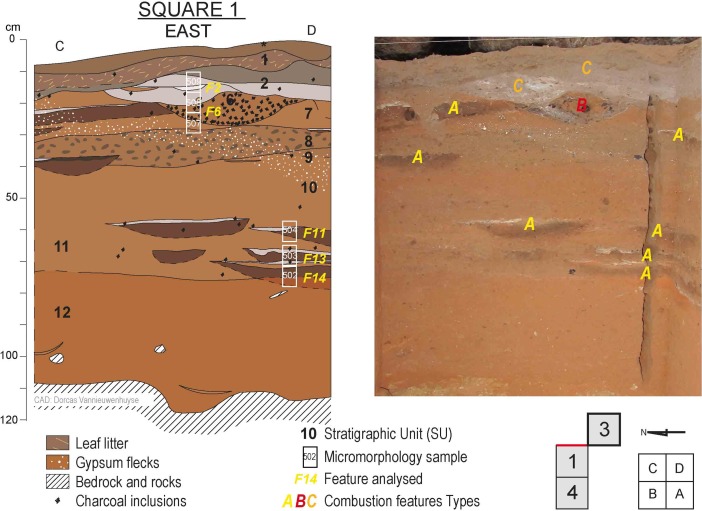
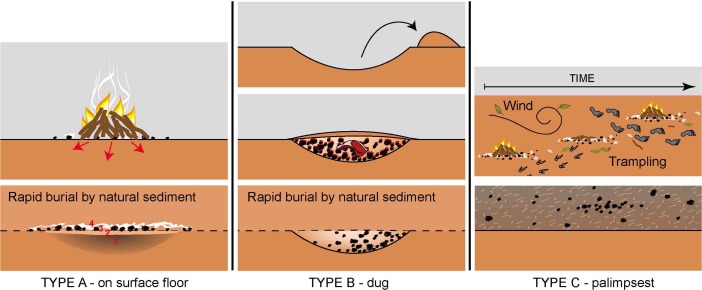
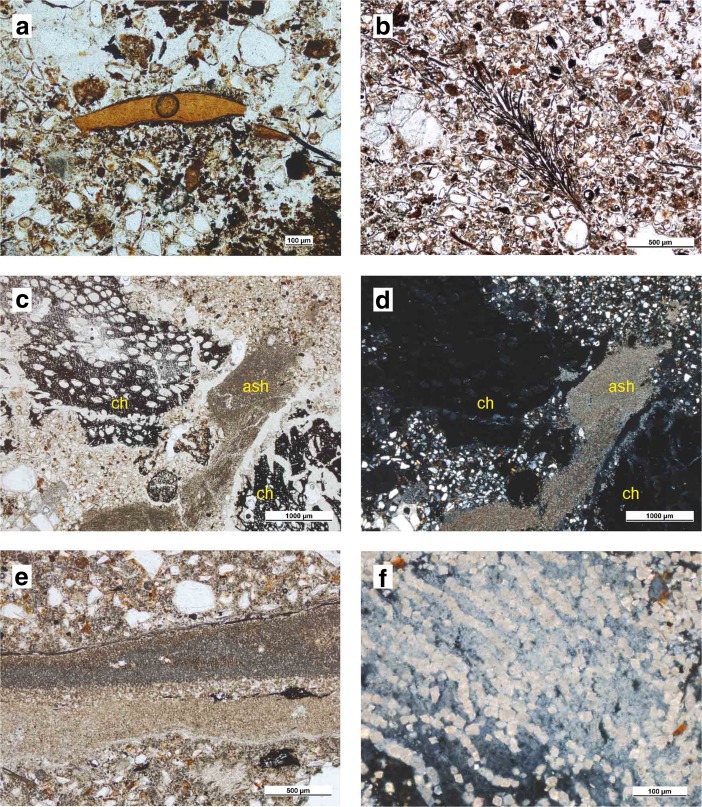
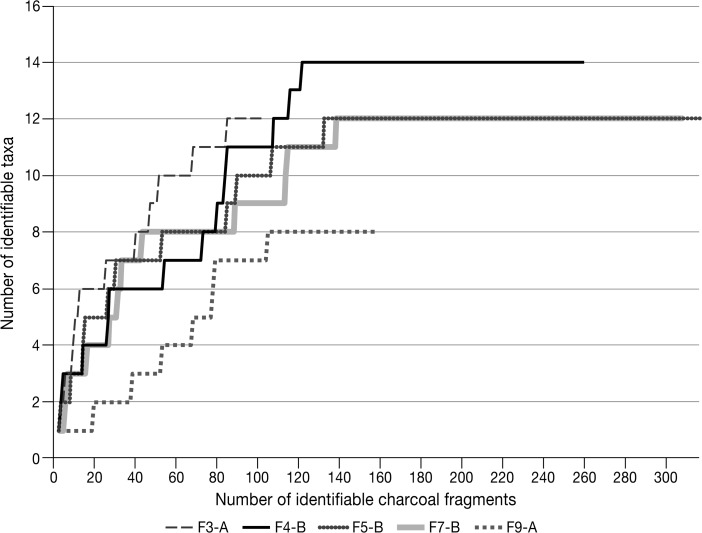
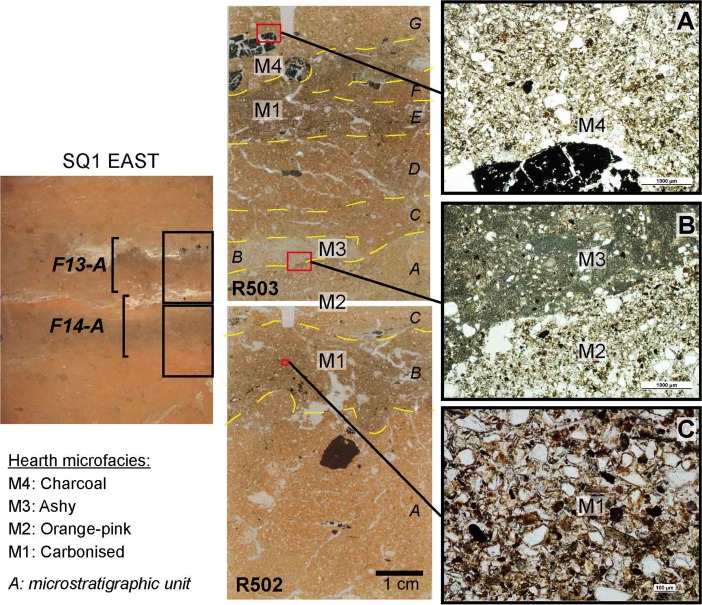
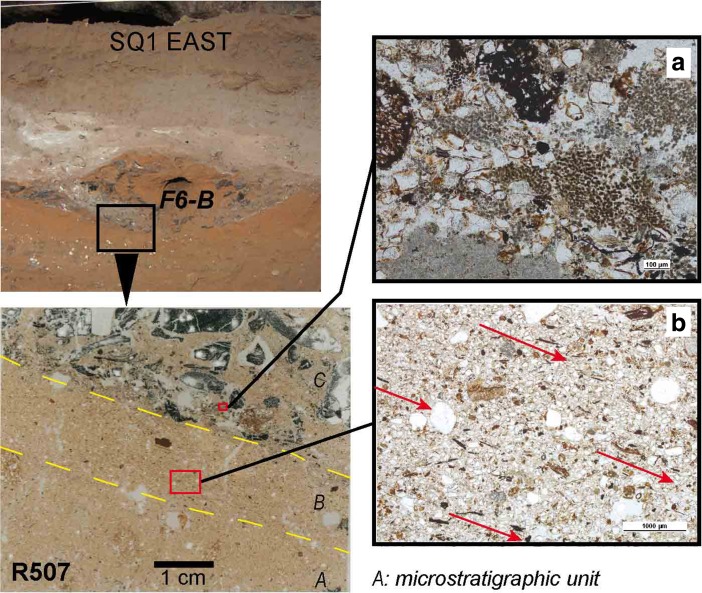
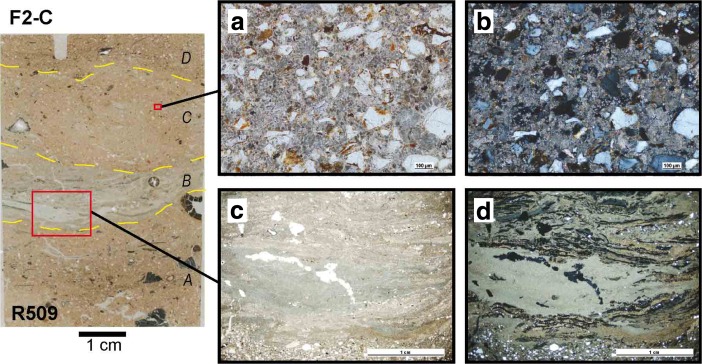
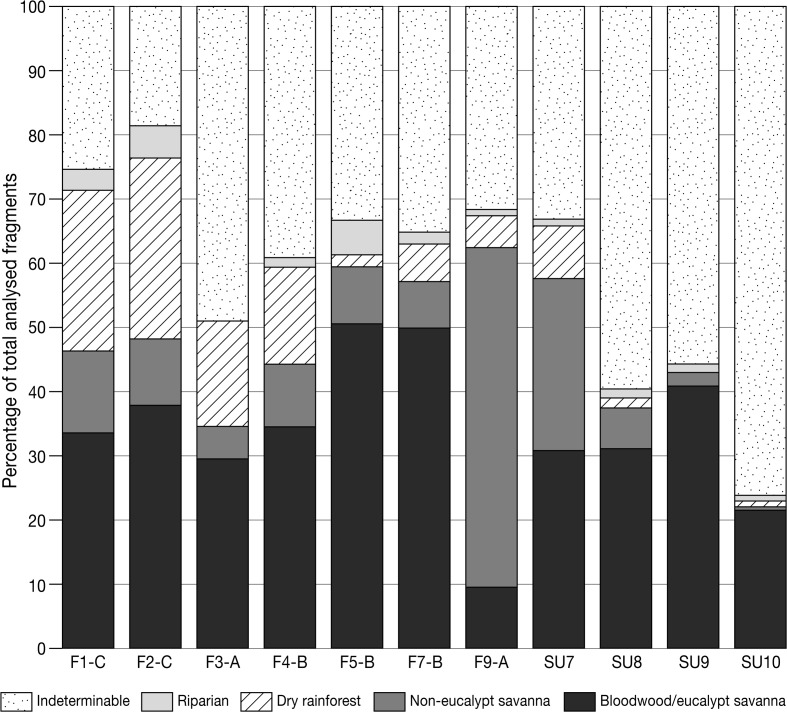
The manipulation of fire is a technological act. The identification of the archaeological signatures of the controlled use of fire has important implications not only for the estimations of the origins and functions of the first fireplaces but also for our understanding of prehistoric technological development and resource use. At Riwi (Kimberley region, Western Australia), excavations over two field seasons have revealed a discontinuous occupation sequence over the past 45 ka, showing numerous, different combustion features interspersed within the deposit. Anthracological and micromorphological investigations at Riwi Cave indicate that the combustion features at the site can be categorised into three types: flat combustion features (type A), dug combustion features (type B) and thick accumulations of mixed combustion residues (type C). These provide evidence for two kinds of combustion practice: (i) fires lit directly on the ground and most likely not re-used and (ii) ground ovens, the latter appearing some 10,000 years after the first evidence for occupation of the site. A comparison of the wood species identified within these combustion features with those from equivalent scattered context levels, enables an exploration of the potential factors influencing wood selection and fire use through time at the site. A detailed understanding of the relationship between wood charcoal remains and archaeological context yields significant information on changes to environmental context and site occupation patterns over time.
对火的操控是一种技术行为。识别火的受控使用的考古特征不仅对估算首批壁炉的起源和功能具有重要意义,而且对我们理解史前技术发展和资源利用也具有重要意义。在里维(西澳大利亚金伯利地区),经过两个野外季节的发掘,揭示了过去4.5万年断断续续的居住序列,在沉积物中散布着众多不同的燃烧特征。对里维洞穴的炭屑学和微观形态学研究表明,该遗址的燃烧特征可分为三种类型:扁平燃烧特征(A类)、挖掘燃烧特征(B类)和混合燃烧残留物的厚堆积(C类)。这些为两种燃烧方式提供了证据:(i)直接在地面上点燃且很可能未重复使用的火,以及(ii)地面烤炉,后者在该遗址首次有人居住的证据出现约1万年后出现。将这些燃烧特征中识别出的木材种类与同等分散背景层中的木材种类进行比较,有助于探究影响该遗址不同时期木材选择和用火的潜在因素。对木炭遗迹与考古背景之间关系的详细了解,能提供有关环境背景和遗址居住模式随时间变化的重要信息。