Wilson Hiromi T, Amirkhani Masoume, Taylor Alan G
Section of Horticulture, School of Integrative Plant Science, New York State Agricultural Experiment Station, Cornell AgriTech, Cornell University, Geneva, NY, United States.
Front Plant Sci. 2018 Jul 27;9:1006. doi: 10.3389/fpls.2018.01006. eCollection 2018.
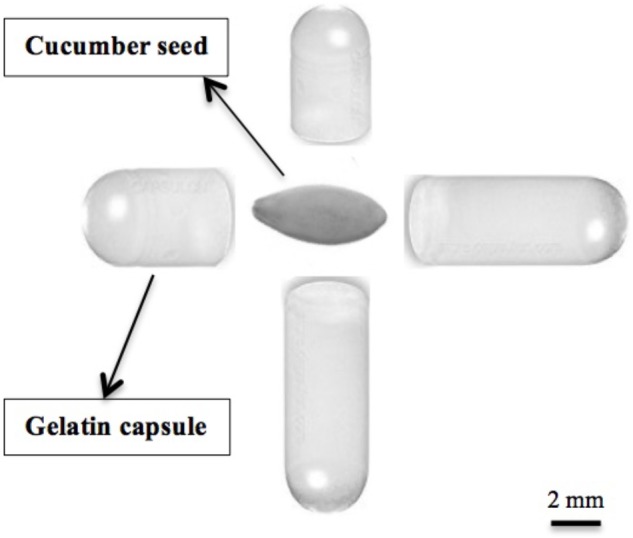
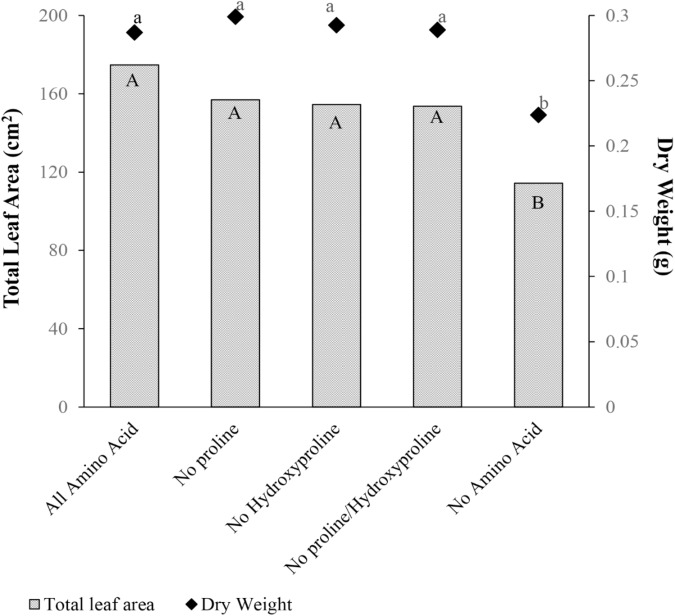
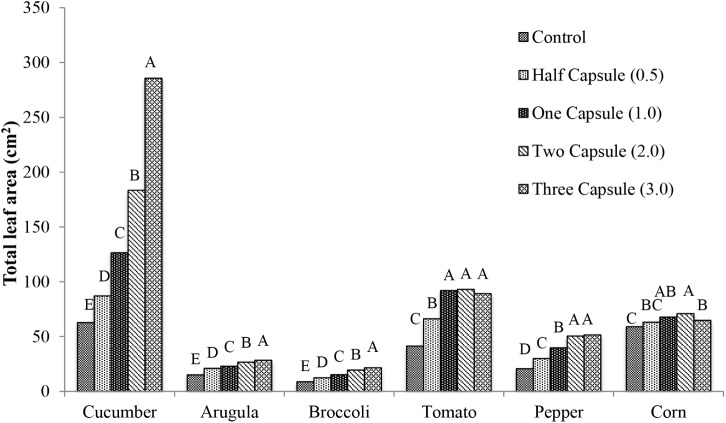
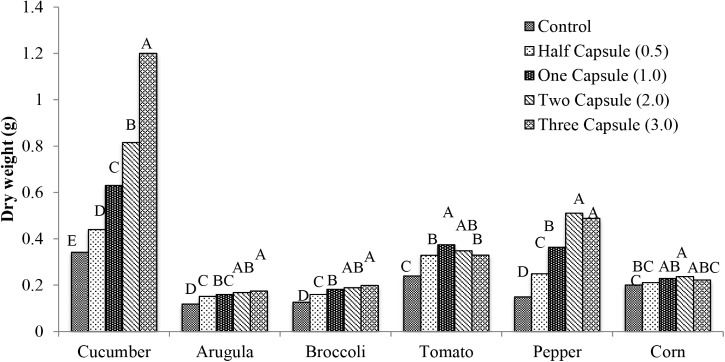
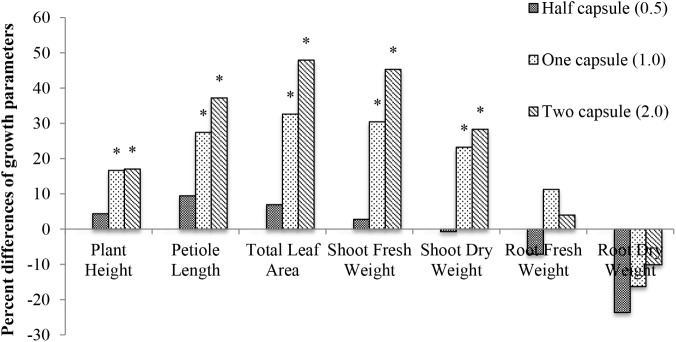
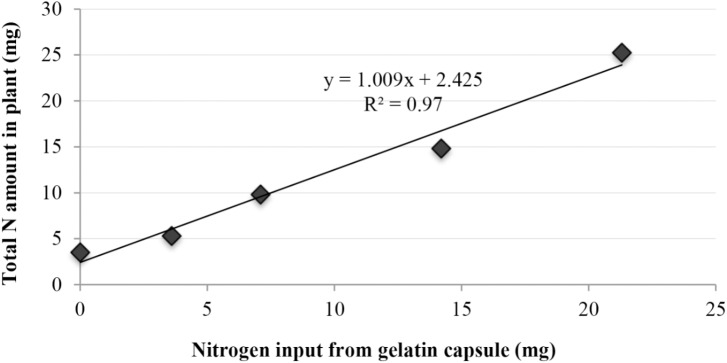
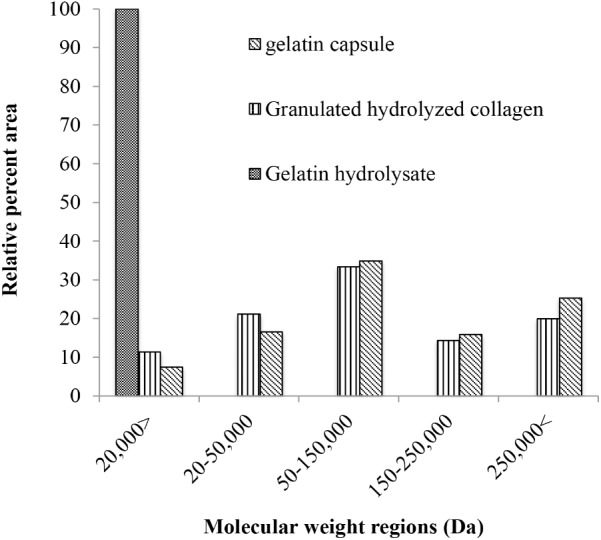
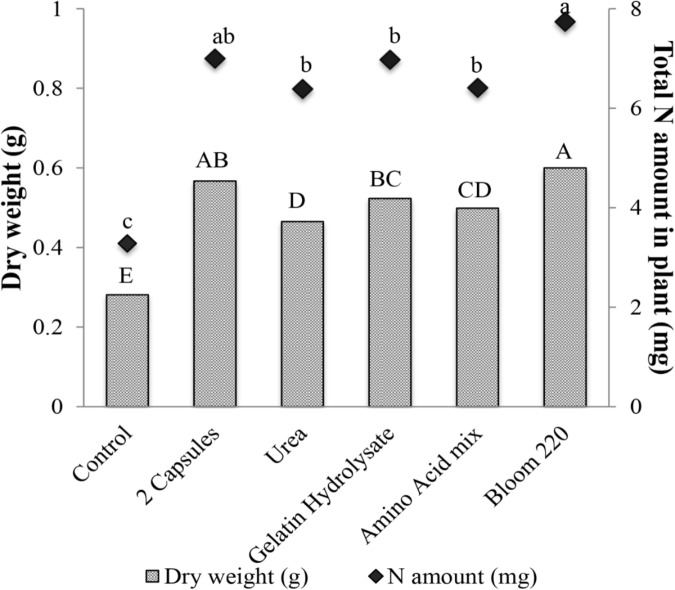
The effect of gelatin, used as a biostimulant, was investigated on plant growth in greenhouse studies. Biostimulants are materials that stimulate plant growth, and gelatin, an animal protein hydrolysate, is classified as one type of biostimulant. Gelatin has a unique amino acid composition with a high percentage of proline and hydroxyproline. In a series of experiments gelatin capsules (#3 hard gelatin) containing 7.1 mg nitrogen each, were placed adjacent to seeds of different crop species, at sowing time in individual growing containers and several growth parameters were measured. Different types of hydrolyzed collagen, including granulated gelatin, gelatin hydrolysate, and amino acid mixtures simulating the composition of gelatin were compared on cucumber plant growth. In addition, amino acid mixtures without proline, hydroxyproline, or applied in combination were investigated on cucumber growth. All capsule treatments significantly enhanced crop growth compared to the non-treated control. The treatment with two gelatin capsules placed adjacent to each seed increased shoot dry weight of cucumber, pepper, broccoli, tomato, arugula, and field corn, by 138, 244, 50, 45, 41, and 18 percent, respectively. In an experiment with cucumber alone, there was a positive linear relationship between the number of gelatin capsules from 0 to 3 capsules on plant growth and plant nitrogen content. Cucumber growth and plant nitrogen content was greater from the hydrolyzed collagen treatment compared with the low molecular weight gelatin hydrolysate, a mixture of amino acids or urea and all treatments provided an equivalent amount of nitrogen. Proline and/or hydroxyproline were not responsible for the biostimulant effect. In summary, gelatin provided nitrogen that enhanced plant growth. Moreover, gelatin was an effective biostimulant as the plant growth and nitrogen content was greater from two gelatin capsules compared to amino acid mixture of the same proportion and amount as the gelatin.
在温室研究中,对用作生物刺激剂的明胶对植物生长的影响进行了研究。生物刺激剂是刺激植物生长的物质,明胶作为一种动物蛋白水解物,被归类为一种生物刺激剂。明胶具有独特的氨基酸组成,脯氨酸和羟脯氨酸的比例很高。在一系列实验中,在播种时将每个含有7.1毫克氮的明胶胶囊(3号硬明胶)放置在不同作物品种的种子旁边,置于单独的种植容器中,并测量了几个生长参数。比较了不同类型的水解胶原蛋白,包括颗粒状明胶、明胶水解物以及模拟明胶组成的氨基酸混合物对黄瓜植株生长的影响。此外,还研究了不含脯氨酸、羟脯氨酸或组合施用的氨基酸混合物对黄瓜生长的影响。与未处理的对照相比,所有胶囊处理均显著促进了作物生长。在每个种子旁边放置两个明胶胶囊的处理,使黄瓜、辣椒、西兰花、番茄、芝麻菜和大田玉米的地上部干重分别增加了138%、244%、50%、45%、41%和18%。在仅针对黄瓜的实验中,从0到3个明胶胶囊的数量与植物生长和植物氮含量之间存在正线性关系。与低分子量明胶水解物、氨基酸混合物或尿素相比,水解胶原蛋白处理使黄瓜生长和植物氮含量更高,且所有处理提供的氮量相等。脯氨酸和/或羟脯氨酸并非生物刺激作用的原因。总之,明胶提供的氮促进了植物生长。此外,明胶是一种有效的生物刺激剂,因为与相同比例和量的明胶的氨基酸混合物相比,两个明胶胶囊使植物生长和氮含量更高。